
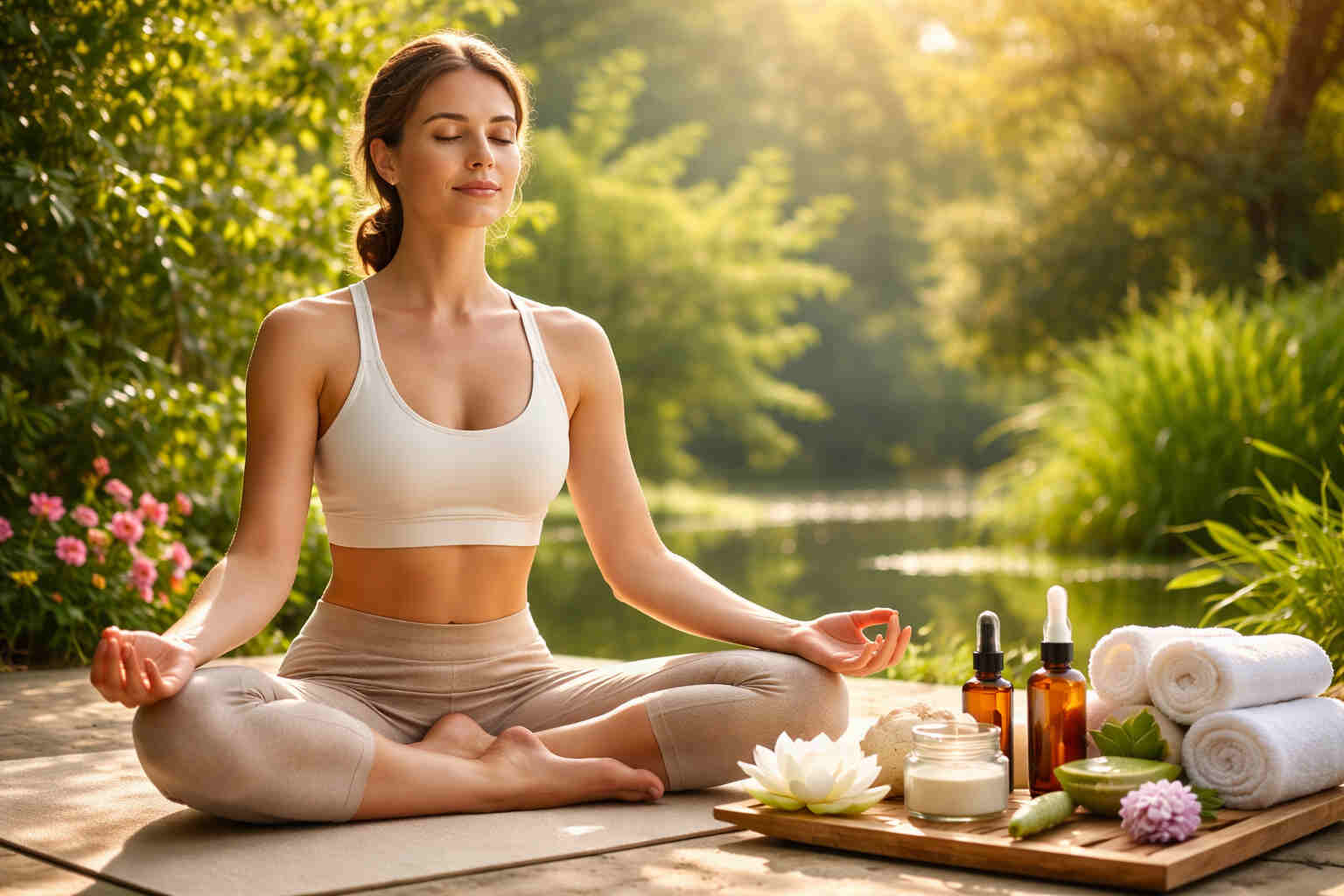
Glowing skin starts deeper than any cream can reach. Yoga for glowing skin works from the inside out: it boosts blood flow to the face, lowers the stress hormone cortisol, and supports the deep sleep skin needs to repair itself. This guide pairs the best poses and breathing practices with simple skin care habits, so you can build a routine that fits real life in 2026.
Key Highlights
- Yoga boosts blood flow to the face, which delivers oxygen and nutrients to skin cells.
- Lower cortisol means fewer stress breakouts and slower collagen loss.
- Inversions, twists, and face yoga target puffiness, dullness, and tension lines.
- Pranayama and better sleep support repair that no cream can replace.
- A 20-minute daily routine plus basic skin care brings visible change in 4 to 6 weeks.
How Yoga Helps Your Skin
Skin mirrors what happens inside the body. Blood flow, hormones, sleep, and digestion all show up on your face, and yoga touches each one. The glow after practice comes from circulation and calm, not cosmetics.
Better Circulation Feeds Skin Cells
Every pose that puts your head below your heart sends a fresh rush of oxygen-rich blood to the face. Downward dog, forward folds, and shoulder stand do this within seconds, and the flush you see after class is that circulation at work. Blood carries oxygen and nutrients to skin cells, supporting cell turnover and a brighter tone.
Lower Cortisol Protects Collagen
Stress shows on skin fast. Cortisol, the main stress hormone, raises oil production, weakens the skin barrier, and breaks down collagen, the protein that keeps skin firm. Wikipedia notes collagen is the main structural protein in skin, and production slows with age and stress. The U.S. National Center for Complementary and Integrative Health reports that a 2020 review of 12 studies found yoga reduced perceived stress.
Collagen loss speeds up as we age, and our guide to yoga for healthy aging shows how steady practice supports skin and joints through the decades.
Twists and Movement Support Lymph Flow
The lymphatic system has no pump of its own. It relies on muscle movement and breath to move fluid that carries waste away from tissues. Twists compress and release the abdomen, and deep breathing acts as a gentle pump for the chest. That is why regular practice often reduces morning puffiness and under-eye bags.
Hormones shape skin too. Midlife shifts in estrogen can dry skin and trigger breakouts. Our guide to yoga for hot flashes covers breath and poses that ease hot flashes and the skin changes that come with them.
Deeper Sleep Repairs Skin Overnight
Skin does most of its repair work while you sleep. Cell turnover speeds up, collagen production rises, and fluid that pooled during the day drains away. Short or broken sleep shows up as dull skin and dark circles. Yoga improves sleep quality by calming the nervous system before bed. Sleep and weight loss are connected through the same hormones, so better sleep supports skin and waistline together.
Best Yoga Poses for Glowing Skin
These six poses cover every mechanism above. Skip any pose that causes pain.
Downward-Facing Dog
This mild inversion places the head below the heart and increases blood flow to the face within seconds. From hands and knees, tuck your toes, lift your hips into an inverted V, and let your head hang neutral. Hold 30 to 60 seconds and repeat 3 times. Skip it with uncontrolled high blood pressure or glaucoma.
Shoulder Stand
Shoulder stand is a full inversion that floods the face with oxygen-rich blood. Lie on your back, lift your legs and hips, and support your lower back with your hands while your shoulders carry the weight, never your neck. Hold 20 to 30 seconds and build toward 2 minutes. Skip it with neck problems, high blood pressure, glaucoma, or during pregnancy.
Standing Forward Fold
Fold forward from the hips and let your head and arms hang. This brings the head below heart level, massages the abdominal organs, and supports digestion, which in turn supports clearer skin. Hold 1 to 2 minutes with soft knees.
Fish Pose
Fish pose opens the chest and throat and improves circulation to the head and face. Lie on your back, slide your hands under your hips, and lift your chest so the crown of your head rests lightly on the floor. Hold 15 to 30 seconds.
Legs Up the Wall
This is the gentlest inversion, and the easiest to practice daily. Sit sideways against a wall, swing your legs up, and rest for 5 to 15 minutes. It drains fluid from the legs, calms the nervous system, and reduces under-eye puffiness.
Seated Spinal Twist
Twists wring out the torso and massage the digestive organs. Sit tall, bend your right knee, place your right foot outside your left knee, and twist gently toward the right. Hold 30 to 60 seconds, then switch sides. Better digestion means better nutrient absorption, and both show on your skin.
Face Yoga for a Natural Lift
Face yoga works the small muscles under facial skin. Short daily sessions improve local blood flow and release jaw tension. Research is still limited, so treat it as a complement to your mat practice.
Cheek Lifter
Smile as wide as you can, then use your fingers to lift your cheeks upward. Hold 10 seconds, relax, and repeat 5 times. This firms the cheek muscles and softens sagging.
Jaw Sculptor
Tilt your head back slightly and push your lower jaw forward. Hold 5 to 10 seconds and repeat 5 times. It defines the jawline and releases tension held in the jaw all day.
Brow Lifter
Place your index fingers above your eyebrows and press down gently while you try to raise your brows. Hold 5 seconds and repeat 5 times. It strengthens the eye area and smooths forehead lines.
Pranayama: Breathing That Feeds Your Skin
Breathing practices raise the oxygen in your blood and calm the nervous system, the same effects that make poses work for skin. Two techniques give the most benefit. Our guide to breathwork techniques vs pranayama practices explains how these breathing methods differ.
Alternate Nostril Breathing
Close your right nostril with your thumb and inhale through the left. Close the left, exhale through the right, then inhale right and exhale left. That is one round. Practice 10 rounds, about 5 minutes. Slow, balanced breathing lowers heart rate and cortisol, which protects collagen.
Skull-Shining Breath
Sit tall, inhale slowly, then exhale sharply through the nose using the abdomen while the inhale stays passive. Start with 30 quick strokes and build to a minute or two. This energising breath increases oxygen intake and stimulates digestion. Skip it with high blood pressure, a hernia, or during pregnancy.
A Simple 20-Minute Glow Routine
Practice 4 to 5 times a week, morning or evening, at a slow pace with steady breath.
- Warm-up (2 minutes): Cat-cow flow, 10 slow rounds, plus neck rolls.
- Downward-facing dog (2 minutes): Two holds of 60 seconds each.
- Standing forward fold (2 minutes): One long hold, knees soft.
- Fish pose (1 minute): Two holds of 30 seconds each.
- Seated spinal twist (2 minutes): One minute each side.
- Legs up the wall (5 minutes): Rest and breathe slowly.
- Alternate nostril breathing (3 minutes): Ten slow rounds.
- Savasana (3 minutes): Lie still and let the body absorb the practice.
If evenings suit you better, swap the final breathing and rest for our bedtime yoga routine for better sleep, which helps you fall asleep faster and wake with fresher skin.
Skin Care Habits That Pair With Yoga
Yoga builds the internal conditions for healthy skin. These habits protect the surface.
Cleanse Before and After Practice
Sweat mixed with dirt, oil, and makeup clogs pores. Wash your face with a gentle cleanser before practice and again after, and skip heavy makeup on the mat.
Moisturize While Skin Is Damp
Apply moisturizer within a few minutes of washing, while skin is still slightly damp, to trap water in the top layer. Aloe vera, jojoba oil, and almond oil suit most skin types.
Use Sunscreen for Outdoor Practice
UV light is the largest cause of premature aging, and no pose can undo sun damage. The American Academy of Dermatology recommends a broad-spectrum, water-resistant sunscreen with SPF 30 or higher, applied every morning and reapplied every two hours outdoors.
Keep Your Mat Clean
A dirty mat transfers sweat and bacteria to your face in poses like downward dog and child’s pose. Wipe it after every practice and wash it weekly. If your mat has seen better days, our guide to choosing a yoga mat explains which materials stay hygienic and grip well.
Eat and Drink for Skin Health
Water keeps skin elastic, so drink through the day. Vitamin C from amla, citrus, and leafy greens supports collagen production, while nuts and seeds add healthy fats that keep the skin barrier strong.
Mistakes That Undo the Glow
Five habits quietly cancel the skin benefits of yoga.
- Heavy makeup on the mat: Foundation traps sweat and oil in pores. Practice with a clean face.
- Daily hot yoga with acne-prone skin: Intense sweating in a heated room can worsen breakouts. Choose gentle styles and shower right after.
- Skipping sunscreen: Outdoor practice without protection ages skin faster than yoga can repair it.
- Harsh scrubs: Over-exfoliating strips the skin barrier. Exfoliate once a week at most.
- Expecting overnight results: Skin renews over weeks, not days. Judge the routine after 4 to 6 weeks.
When Yoga Is Not Enough
Yoga supports skin health, but it does not treat disease. Cystic acne, eczema, rosacea, and sun damage need a dermatologist, and sudden changes in a mole or patch of skin deserve a prompt check. Yoga works best alongside medical care and a simple skin care routine.
Frequently Asked Questions
Can yoga really make my skin glow?
Yes, through circulation, stress reduction, and better sleep. Poses that bring the head below the heart send oxygen-rich blood to the face, while slow breathing lowers cortisol, the hormone behind stress breakouts. Visible change usually takes 4 to 6 weeks of practice 4 to 5 times a week.
Which yoga pose is best for glowing skin?
No single pose wins. Inversions like downward dog and shoulder stand raise blood flow to the face fastest, twists support digestion and lymph flow, and legs up the wall reduces puffiness. A short routine mixing all three beats repeating one pose daily.
How long does it take to see results from yoga for glowing skin?
Most people notice a fresher complexion within 4 to 6 weeks of practicing 4 to 5 times a week for 15 to 20 minutes. The flush right after a session is instant, but lasting change in tone and texture builds slowly as circulation, sleep, and stress improve.
Is face yoga effective?
Face yoga may improve local circulation and tone the small muscles of the face, which can soften tension lines and firm the cheeks. Research is limited, so keep expectations modest. It works best as a 5-minute daily add-on to your routine.
Can I do yoga for glowing skin if I have acne?
Yes, if you choose gentle styles. Restorative poses, legs up the wall, and slow breathing suit acne-prone skin well. Avoid hot yoga, cleanse right after practice, and skip heavy makeup on the mat. See a dermatologist if acne is severe or keeps spreading.
Is hot yoga better for glowing skin than regular yoga?
No. Sweating in a heated room can clear pores, but the real skin benefits of yoga come from circulation and stress reduction, which happen in any style, including gentle hatha and yin. Hot yoga adds dehydration and breakout risk for some skin types.
Conclusion
Start with the 20-minute routine, 4 to 5 times a week, plus a gentle cleanse, moisturizer, and daily sunscreen, then give it 6 weeks. Your next step is simple: roll out your mat today and hold a forward fold for a full minute.