
Introduction
Breathing is one of the most natural and essential functions of human life, yet most people rarely pay attention to how they breathe. Modern lifestyles filled with stress, anxiety, poor posture, pollution, and constant mental stimulation often lead to shallow and inefficient breathing patterns. Over time, these unhealthy breathing habits can affect both physical and mental well-being.
Pranayama, the ancient yogic science of breath control, offers a powerful solution to this problem. Practiced for thousands of years in yoga traditions, pranayama focuses on regulating the breath to improve energy flow, calm the mind, and enhance overall health. The word “pranayama” comes from two Sanskrit words: “prana,” meaning life force or vital energy, and “ayama,” meaning expansion or control. Together, pranayama refers to techniques that regulate and expand the flow of life energy through controlled breathing.
In yoga philosophy, breath is not viewed merely as oxygen entering the lungs. It is considered the bridge between the body and the mind. Pranayama practices help calm the nervous system, improve focus, and support emotional balance while increasing overall vitality.
Today, pranayama is gaining popularity worldwide because of its profound physical, mental, and emotional benefits. From reducing stress and improving lung capacity to enhancing concentration and sleep quality, these breathing practices are increasingly being integrated into wellness routines, meditation practices, and even medical therapies.
This detailed guide explores the many benefits of pranayama, different breathing techniques, scientific explanations, spiritual significance, and practical tips for beginners and advanced practitioners alike.
What Is Pranayama?
Pranayama is the practice of consciously controlling the breath through specific breathing techniques. It is one of the eight limbs of yoga described in the Yoga Sutras of Patanjali.
Unlike automatic breathing, pranayama involves mindful breathing patterns designed to influence physical, mental, and energetic states.
Pranayama techniques typically include:
- Controlled inhalation
- Breath retention
- Controlled exhalation
- Rhythmic breathing patterns
These techniques help regulate the nervous system and improve the flow of energy throughout the body.
Pranayama acts as a bridge between physical yoga postures and meditation by calming the mind and preparing the body for deeper awareness.
The Meaning of Prana in Yoga
In yogic philosophy, prana is considered the vital life force that sustains all living beings.
Prana is believed to flow through energy channels called nadis within the body. When this energy flows freely, the body and mind remain healthy and balanced. When blocked or disturbed, physical and emotional imbalances may occur.
Breathing is viewed as the primary method for influencing prana.
This concept makes pranayama much more than simple breathing exercises. It is considered an energetic practice that affects both physical health and mental clarity.
Why Breathing Matters More Than Most People Realize
Most people breathe shallowly using only the upper chest. Stress, poor posture, and anxiety often worsen breathing patterns.
Shallow breathing can:
- Reduce oxygen intake
- Increase stress responses
- Create muscular tension
- Affect concentration
Contribute to fatigue
Deep, controlled breathing activates the parasympathetic nervous system, which helps the body relax and recover. Pranayama improves awareness of breathing habits while enhancing the connection between body and mind.
The Science Behind Pranayama
Modern research increasingly supports the benefits of controlled breathing practices.
Scientific studies show that pranayama can influence:
- Heart rate
- Blood pressure
- Stress hormones
- Brain activity
- Lung function
- Emotional regulation
Controlled breathing stimulates the vagus nerve, which helps regulate the nervous system and reduce stress responses. Slow breathing also improves oxygen exchange and carbon dioxide balance in the body.
This combination of physiological effects explains why pranayama can create feelings of calmness, focus, and mental clarity.
Physical Benefits of Pranayama
1. Improves Lung Capacity
One of the most well-known benefits of pranayama is improved respiratory health.
Pranayama exercises strengthen the lungs and respiratory muscles while increasing breathing efficiency.
Deep breathing techniques help:
- Expand lung capacity
- Improve oxygen intake
- Enhance respiratory endurance
This can be especially beneficial for people with sedentary lifestyles or poor breathing habits.
2. Enhances Oxygen Supply
Controlled breathing improves oxygen delivery throughout the body.
Better oxygenation supports:
- Brain function
- Muscle performance
- Cellular repair
- Energy production
This increased oxygen flow can lead to greater vitality and reduced fatigue.
3. Supports Heart Health
Slow and rhythmic breathing may help regulate heart rate and blood pressure.
Research suggests that breathing exercises can:
- Lower stress-related blood pressure
- Improve circulation
- Reduce strain on the cardiovascular system
Pranayama helps calm the nervous system, which indirectly benefits cardiovascular health.
4. Boosts Energy Levels
Although pranayama promotes relaxation, certain breathing techniques also increase energy and alertness. Practices such as Kapalabhati and Bhastrika stimulate circulation and invigorate the body.
Many practitioners report feeling refreshed and energized after breathing exercises.
5. Improves Sleep Quality
Stress and anxiety often interfere with sleep.
Pranayama activates relaxation responses that help calm the mind before bedtime.
Slow breathing techniques may:
- Reduce racing thoughts
- Relax muscles
- Promote deeper sleep
Regular practice can improve sleep patterns and reduce insomnia symptoms.
6. Supports Immune Function
Chronic stress weakens the immune system.
- Because pranayama reduces stress and supports nervous system balance, it may indirectly strengthen immune health.
- Deep breathing also improves circulation, which helps transport nutrients and oxygen throughout the body.
Mental Benefits of Pranayama
1. Reduces Stress and Anxiety
- Stress reduction is one of the most widely recognized benefits of pranayama.
- Controlled breathing calms the nervous system and reduces stress hormone activity.
- Pranayama quiets mental fluctuations and creates a sense of inner calm.
Slow breathing practices help interrupt the body’s fight-or-flight response, making them effective tools for managing anxiety.
2. Improves Concentration
Breathing exercises train attention and awareness.
- Focusing on the breath reduces distractions and strengthens mental discipline.
- Many people notice improved focus and productivity after regular pranayama practice.
3. Enhances Emotional Stability
Breathing patterns are closely connected to emotions.
- Fast, shallow breathing often accompanies stress or panic, while slow breathing promotes calmness.
- Pranayama teaches practitioners how to regulate emotional states through breath control.
4. Supports Mental Clarity
Deep breathing increases oxygen supply to the brain, supporting cognitive function.
Many practitioners experience:
- Sharper thinking
- Better memory
- Increased awareness
- Greater mental clarity
Spiritual Benefits of Pranayama
In traditional yoga philosophy, pranayama is considered a preparation for meditation and spiritual growth. By calming the mind and balancing energy, pranayama helps practitioners move inward and develop deeper awareness.
Pranayama helps remove energetic disturbances that interfere with meditation.
Many practitioners use pranayama to:
- Deepen meditation
- Increase mindfulness
- Develop self-awareness
- Cultivate inner peace
How Pranayama Affects the Nervous System
The autonomic nervous system has two primary branches:
- Sympathetic nervous system (fight-or-flight)
- Parasympathetic nervous system (rest-and-digest)
Stress often overactivates the sympathetic system. Pranayama stimulates the parasympathetic response, helping the body relax and recover. This explains why breathing exercises can quickly reduce tension and anxiety.
Popular Types of Pranayama
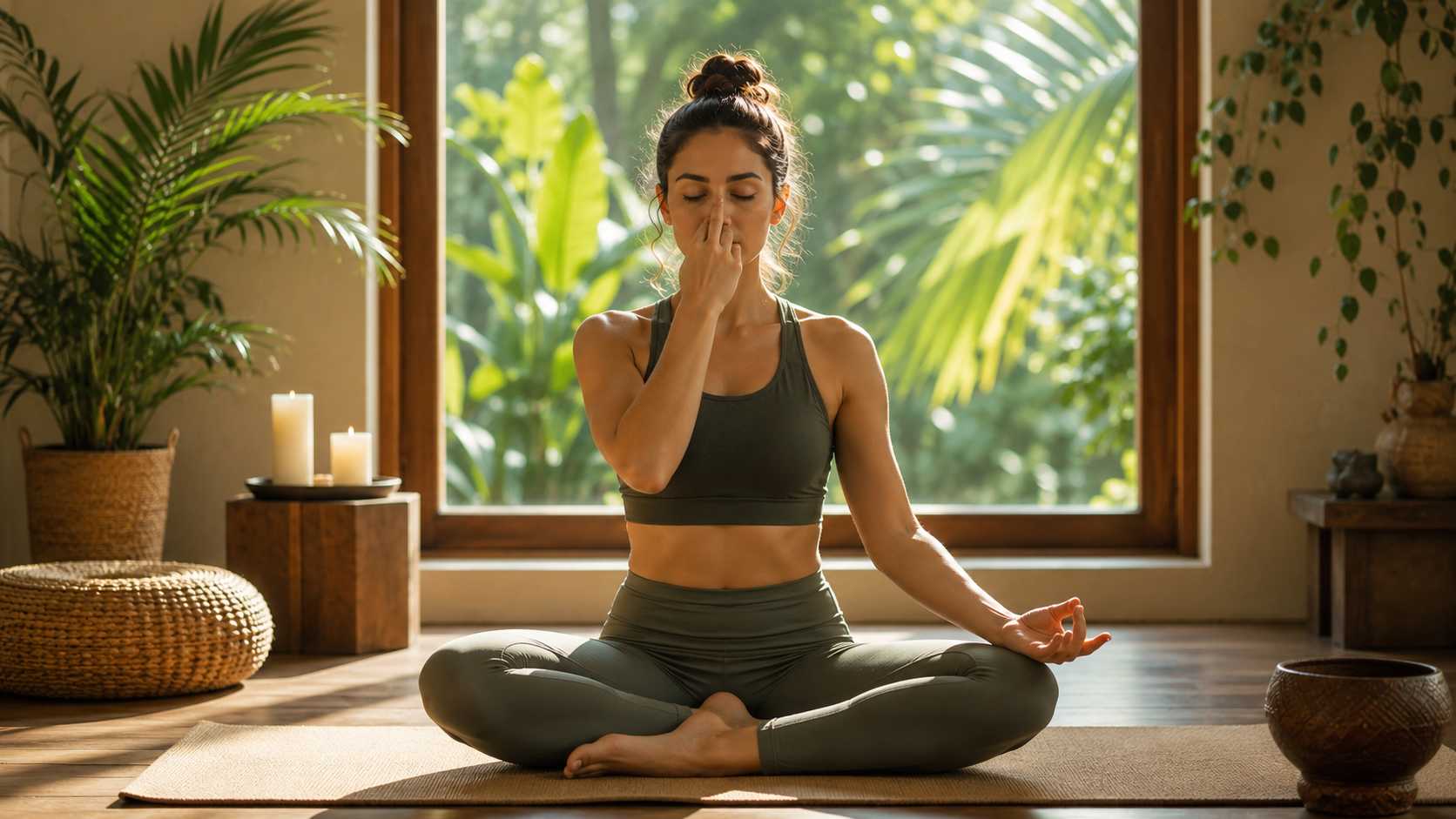
1. Nadi Shodhana (Alternate Nostril Breathing)
This calming technique balances the nervous system.
Benefits
- Reduces stress
- Improves focus
- Balances energy
Alternate nostril breathing as a powerful balancing practice for the mind and body.
2. Ujjayi Breathing
Ujjayi involves gentle constriction of the throat during breathing.
Benefits
- Improves concentration
- Builds internal heat
- Enhances mindfulness
This technique is commonly used during yoga postures.
3. Kapalabhati
Kapalabhati uses forceful exhalations and passive inhalations.
Benefits
- Energizes the body
- Improves circulation
- Clears mental fog
This technique is stimulating and should be practiced carefully.
4. Bhramari (Bee Breath)
Bhramari involves making a humming sound during exhalation.
Benefits
- Calms the mind
- Reduces anxiety
- Improves relaxation
The vibration created by humming has soothing effects on the nervous system.
5. Bhastrika (Bellows Breath)
Bhastrika uses powerful inhalations and exhalations.
Benefits
- Boosts energy
- Improves lung strength
- Increases alertness
This practice generates heat and vitality.
Pranayama and Meditation
Pranayama is often practiced before meditation because it helps quiet mental activity.
- A restless breath usually reflects a restless mind.
- By slowing and regulating the breath, practitioners create conditions that support deeper meditation and concentration.
- Many yoga traditions consider pranayama essential for spiritual preparation.
Best Time to Practice Pranayama
Traditionally, pranayama is practiced:
- Early morning
- On an empty stomach
- In a clean and quiet environment
Morning practice is believed to maximize mental clarity and energy. However, gentle breathing exercises can also be helpful before sleep or during stressful moments.
How Long Should You Practice?
Beginners may start with:
- 5–10 minutes daily
- Over time, sessions can gradually increase.
- Consistency is more important than duration.
Regular daily practice produces greater benefits than occasional long sessions.
Pranayama for Beginners
Beginners should start with simple breathing awareness before attempting advanced techniques.
Helpful beginner practices include:
- Deep diaphragmatic breathing
- Nadi Shodhana
- Slow counted breathing
Using guided instruction can also improve safety and confidence.
Precautions and Safety Tips
Although pranayama is generally safe, some techniques may not be suitable for everyone.
People with:
- High blood pressure
- Respiratory conditions
- Heart issues
- Pregnancy
should consult qualified professionals before practicing advanced breathing exercises.
Practicing under guidance is recommended for beginners.
Creating a Daily Pranayama Routine
A simple routine might include:
- Comfortable seated posture
- Deep breathing awareness
- Gentle alternate nostril breathing
- Short meditation
Even brief daily sessions can create noticeable improvements in mental and physical well-being.
The Growing Popularity of Breathwork
Modern wellness trends increasingly recognize the importance of breathing practices. Breathwork techniques inspired by pranayama are now used in:
- Stress management
- Therapy programs
- Athletic training
- Corporate wellness
- Meditation practices
This growing interest reflects increased awareness of the connection between breathing and overall health.
Conclusion
Pranayama is far more than a breathing exercise. It is a powerful practice that influences physical health, mental clarity, emotional balance, and spiritual awareness. Through conscious breath control, pranayama helps calm the nervous system, improve focus, increase energy, and deepen the connection between body and mind.
In a world filled with stress, distraction, and fast-paced living, pranayama offers a simple yet profound tool for restoring balance and inner calm. Whether practiced for relaxation, health improvement, meditation, or personal growth, these ancient breathing techniques continue to provide meaningful benefits for modern life.
With regular and mindful practice, pranayama can transform not only how people breathe but also how they experience daily life, emotions, and overall well-being.