
Introduction
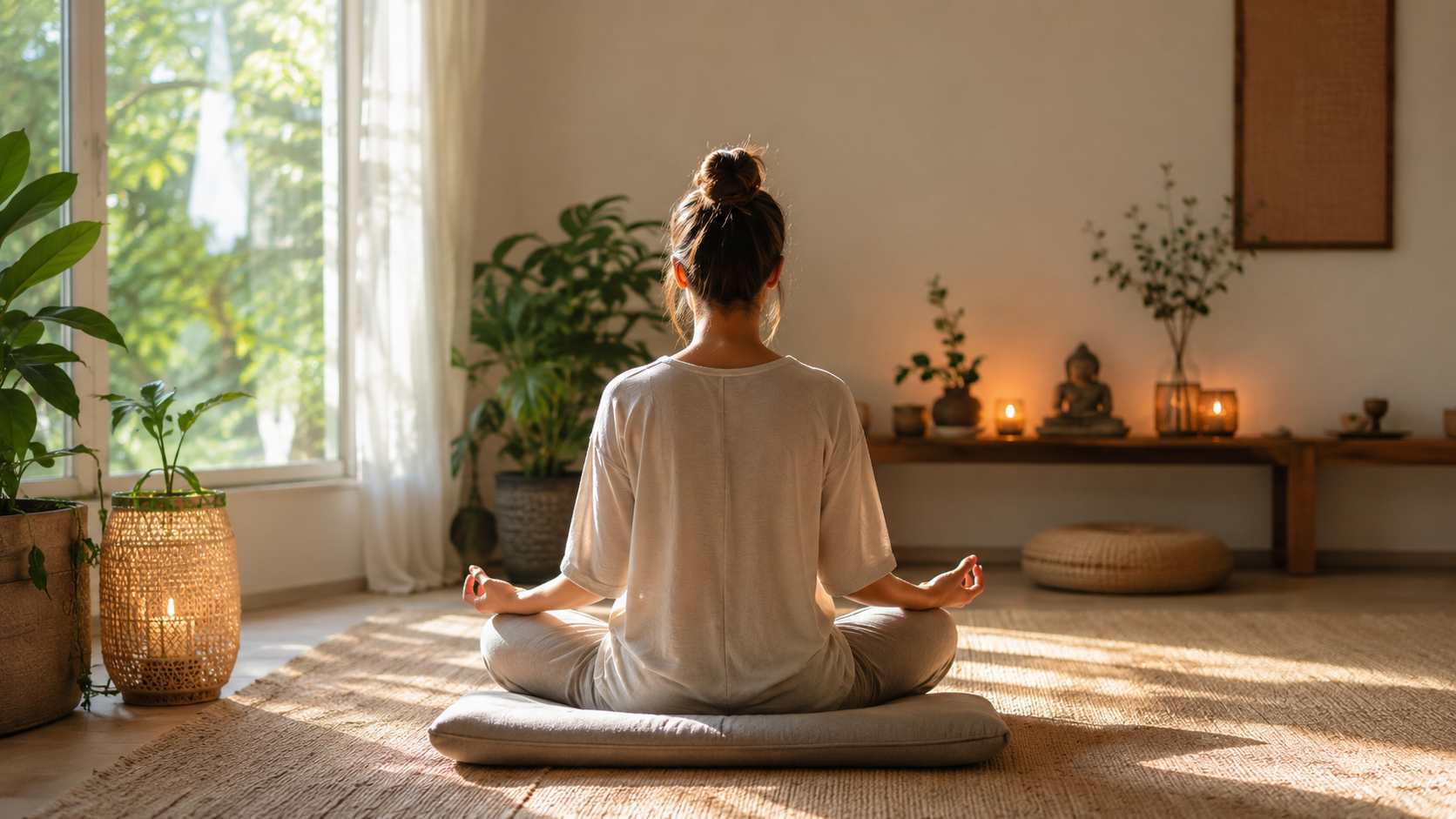
Meditation is often viewed as a simple practice that only requires sitting quietly and focusing the mind. However, the quality of a meditation session is greatly influenced by what happens before the practice begins. Proper preparation helps create the right physical, mental, and emotional environment for meditation, allowing practitioners to experience deeper focus, relaxation, and awareness.
Many beginners struggle with meditation because they approach it without preparation. Distractions, physical discomfort, mental restlessness, and inconsistent routines can make meditation feel difficult or ineffective. Learning what to do before meditation can transform the experience and help establish a more meaningful and sustainable practice.
Preparing for meditation does not need to be complicated or time-consuming. Small adjustments in environment, posture, breathing, mindset, and daily habits can significantly improve concentration and inner calm. Whether someone practices meditation for stress relief, spiritual growth, emotional balance, or mental clarity, preparation plays an important role in achieving better results.
This detailed guide explores everything you should do before meditation, including physical preparation, mental readiness, breathing techniques, environmental setup, and common mistakes to avoid.
Why Preparation Before Meditation Matters
Helps Calm the Mind
One of the biggest challenges in meditation is mental distraction. The mind is naturally active and constantly processing thoughts, emotions, and external stimuli. Jumping directly into meditation without preparation often leads to frustration because the mind remains overstimulated.
Preparation helps slow down mental activity gradually, making it easier to enter a meditative state.
Improves Physical Comfort
Physical discomfort can become a major distraction during meditation. Tight muscles, poor posture, or an uncomfortable environment can interrupt concentration and shorten meditation sessions.
Simple preparation techniques such as stretching and proper seating help the body relax and remain comfortable.
Creates Consistency
Preparing before meditation also helps establish routine and discipline. Repeating the same preparation process daily signals the mind and body that it is time to relax and focus inward.
Consistent rituals can make meditation feel more natural over time.
Enhances Focus and Awareness
When the body is relaxed and the environment is calm, attention becomes more stable. Preparation reduces unnecessary distractions and allows practitioners to become more present during meditation.
Choose the Right Time for Meditation
Morning Meditation
Many people prefer meditating early in the morning because the mind is quieter and less affected by daily stress. Morning meditation can create a calm and balanced tone for the rest of the day.
Benefits of morning meditation include:
- Greater mental clarity
- Improved focus throughout the day
- Reduced stress and anxiety
- Better emotional balance
Morning meditation is often easier because there are fewer external distractions.
Evening Meditation
Evening meditation can help release tension accumulated during the day. It is useful for relaxation and improving sleep quality.
Meditating at night may help:
- Calm racing thoughts
- Reduce emotional stress
- Relax the nervous system
- Improve sleep patterns
However, some people may feel sleepy during evening meditation, especially after a tiring day.
Consistency Matters More Than Timing
While certain times may feel more effective, consistency is more important than choosing the “perfect” time. Practicing meditation regularly at the same time each day helps build habit and mental association.
Create a Calm Meditation Space
Importance of Environment
The environment strongly influences the quality of meditation. A cluttered or noisy space can make concentration difficult, especially for beginners.
Creating a peaceful meditation area helps reduce sensory distractions and encourages relaxation.
Choose a Quiet Location
A quiet environment supports mental stillness. While complete silence is not always possible, minimizing noise can improve focus.
Suitable meditation spaces may include:
- A bedroom corner
- A balcony or garden
- A dedicated yoga room
- A peaceful indoor area
Keep the Space Clean and Simple
A clean environment often promotes mental clarity. Excessive clutter can subconsciously increase stress and distraction.
Simple surroundings usually work best for meditation.
Use Comfortable Lighting
Soft natural light or dim lighting creates a calming atmosphere. Harsh lighting may feel overstimulating during meditation.
Candles or warm lamps are sometimes used to create a peaceful mood, though they are optional.
Wear Comfortable Clothing
Why Clothing Matters
Tight or restrictive clothing can interfere with breathing and physical comfort during meditation. Comfortable clothing allows the body to relax fully without unnecessary tension.
Best Clothing Choices for Meditation
Loose, breathable fabrics are usually ideal. Clothing should allow free movement and support relaxed posture.
Good choices include:
- Cotton clothing
- Stretchable fabrics
- Comfortable yoga wear
- Soft layers in cooler weather
Avoid clothing that feels too tight around the waist, chest, or legs.
Avoid Heavy Meals Before Meditation
Effect of Food on Meditation
Eating immediately before meditation can affect concentration and comfort. A heavy meal often causes sluggishness, discomfort, or sleepiness.
Digestion requires energy, which may reduce alertness during meditation.
Best Approach to Eating
It is generally recommended to meditate:
- Before meals
- Or 1–2 hours after eating
If needed, a light snack such as fruit or nuts may help maintain energy without causing heaviness.
Stay Hydrated
Mild dehydration can affect focus and relaxation. Drinking enough water throughout the day supports mental clarity.
However, avoid drinking excessive amounts immediately before meditation to prevent discomfort.
Stretch or Practice Gentle Movement
Why Movement Helps Before Meditation
Physical tension can make sitting still difficult. Gentle stretching or yoga helps relax muscles, improve circulation, and release restlessness.
Movement also helps transition from activity to stillness.
Simple Pre-Meditation Stretches
Light stretches focusing on the neck, shoulders, hips, and back are especially useful.
Helpful movements may include:
- Neck rolls
- Shoulder stretches
- Seated forward bends
- Gentle spinal twists
These movements prepare the body for comfortable sitting.
Yoga Before Meditation
Many traditional yoga practices include physical postures before meditation because movement helps calm the nervous system and improve focus.
Even a short yoga session can significantly improve meditation quality.
Focus on Breathing Before Meditation
Importance of Breath Awareness
Breathing connects the mind and body. Rapid or shallow breathing is often associated with stress, while slow breathing encourages relaxation.
Focusing on breath before meditation helps quiet the mind naturally.
Deep Breathing Techniques
Taking slow, deep breaths before meditation helps reduce nervous system activity and promotes calmness.
A simple breathing exercise:
- Inhale slowly through the nose
- Expand the abdomen gently
- Exhale slowly and completely
- Repeat for several minutes
This technique helps prepare the body for stillness.
Avoid Forcing the Breath
Breathing should feel natural and relaxed. Over-controlling the breath may create tension instead of calmness.
Set an Intention for Meditation
Why Intentions Matter
Setting an intention gives meditation purpose and direction. It helps focus attention and creates mindfulness before beginning.
Intentions are not goals to achieve but gentle reminders of why you are practicing.
Examples of Meditation Intentions
Intentions may include:
- Seeking calmness
- Practicing gratitude
- Improving awareness
- Reducing stress
- Developing compassion
Simple intentions are often the most effective.
Avoid Expectations
While intentions are helpful, expectations can create frustration. Meditation is a gradual practice, and each session may feel different.
Approach meditation with openness rather than pressure.
Limit Digital Distractions
The Impact of Technology
Constant exposure to screens and notifications overstimulates the mind. Using phones or social media immediately before meditation can increase mental restlessness.
Create a Technology-Free Period
Before meditating:
- Silence notifications
- Put devices away
- Reduce screen exposure for a few minutes
This helps the mind slow down naturally.
Disconnecting Improves Presence
Reducing digital distractions allows greater focus on internal awareness instead of external stimulation.
Use Meditation Tools if Helpful
Meditation Cushions
A cushion or mat can improve posture and comfort during sitting meditation.
Timers
Meditation timers prevent the need to check clocks repeatedly.
Soft Music or Nature Sounds
Some people find calming sounds helpful, especially beginners. Gentle instrumental music or nature sounds may support relaxation.
However, silence is equally effective if preferred.
Mental Preparation Before Meditation
Accept Current Emotions
Many people think meditation requires a completely calm mind beforehand. In reality, meditation begins by observing the mind as it is.
Accepting emotions without resistance helps reduce internal struggle.
Let Go of Perfection
Meditation is not about achieving perfection or eliminating thoughts completely. Approaching meditation with patience and self-compassion creates a healthier practice.
Slow Down Gradually
Instead of rushing directly into meditation, take a few moments to pause and settle mentally.
Even one or two minutes of stillness before meditation can improve focus.
Best Sitting Positions Before Meditation
Cross-Legged Position
This traditional posture supports grounding and stability.
Sitting on a Chair
Chairs are suitable for people who experience discomfort sitting on the floor.
Kneeling Position
Some practitioners prefer kneeling with support cushions.
Key Posture Principles
Regardless of position:
- Keep the spine upright
- Relax the shoulders
- Rest hands comfortably
- Avoid stiffness
Comfort and alertness are both important.
Common Mistakes to Avoid Before Meditation
Meditating Immediately After Stressful Activity Jumping directly from intense work or arguments into meditation can make focus difficult. Allow a few minutes to decompress first.
Forcing Relaxation
- Trying too hard to relax often creates additional tension.
- Relaxation should develop naturally.
Choosing an Uncomfortable Space
Noise, poor seating, or distractions can interrupt meditation.
Eating Too Much Before Meditation
Heavy meals may cause sluggishness or discomfort.
Expecting Instant Results
Meditation benefits develop gradually through consistency.
Building a Sustainable Meditation Routine
Start Small
Beginners do not need long meditation sessions. Even 5–10 minutes daily can be beneficial.
Create Rituals
Simple rituals before meditation help build consistency.
Examples include:
- Lighting a candle
- Stretching
- Deep breathing
- Sitting quietly for a moment
Be Patient
Meditation is a long-term practice. Progress often happens gradually and subtly.
Consistency matters more than perfection.
Benefits of Proper Preparation Before Meditation
Preparing properly before meditation can lead to:
- Better concentration
- Reduced physical discomfort
- Deeper relaxation
- Improved emotional balance
- Greater self-awareness
- More consistent practice
Small preparation habits can significantly improve overall meditation quality.
Conclusion
Knowing what to do before meditation can greatly enhance the effectiveness of your practice. Preparation helps calm the mind, relax the body, and create an environment that supports focus and awareness.
Simple steps such as choosing a quiet space, wearing comfortable clothing, stretching, breathing deeply, and setting an intention can transform meditation from a difficult task into a meaningful daily ritual.
Meditation does not require perfection or complicated techniques. With patience, consistency, and proper preparation, anyone can create a meditation practice that supports mental clarity, emotional balance, and inner peace.