
Introduction
In a fast-paced world filled with stress, anxiety, and constant distractions, gratitude meditation has emerged as one of the most powerful mindfulness practices to restore emotional balance and mental clarity. Unlike traditional meditation techniques that focus solely on breath awareness or silence, gratitude meditation actively trains your mind to recognize and appreciate the positive aspects of life.
At its core, gratitude meditation is a simple yet transformative practice that involves consciously focusing on feelings of thankfulness. Whether it’s appreciating your health, relationships, nature, or even small daily moments, this practice helps shift your mindset from scarcity to abundance.
With increasing search interest in terms like gratitude meditation benefits, how to practice gratitude daily, and mindfulness meditation techniques, it’s clear that people are seeking practical ways to improve their mental well-being. This guide will walk you through everything you need to know—from meaning and benefits to step-by-step techniques and expert tips.
What is Gratitude Meditation? (Simple Explanation)
Gratitude meditation is a mindfulness practice where you intentionally focus your attention on things you are thankful for. It involves cultivating positive emotions by reflecting on people, experiences, or aspects of life that bring you joy, comfort, or meaning.
Unlike affirmations or journaling alone, this meditation engages both your mind and body by combining awareness, emotion, and breath.
Key Elements of Gratitude Meditation
- Awareness of present moment
- Emotional connection to gratitude
- Intentional focus on positivity
- Deep breathing and relaxation
This practice is rooted in ancient mindfulness traditions, including Buddhism and yoga philosophy, where cultivating gratitude is seen as a path to inner peace and spiritual growth.
The Science Behind Gratitude Meditation
Gratitude meditation is not just a spiritual concept—it is backed by modern neuroscience and psychology.
Studies show that practicing gratitude regularly can:
- Activate the brain’s reward system (dopamine release)
- Reduce cortisol levels (stress hormone)
- Improve emotional regulation
- Strengthen neural pathways associated with positivity
When you repeatedly focus on gratitude, your brain begins to rewire itself—a process known as neuroplasticity. Over time, this makes positive thinking more natural and automatic.
Keywords integrated: science of gratitude, mental health benefits of meditation, brain effects of gratitude
Top Benefits of Gratitude Meditation
1. Reduces Stress and Anxiety
One of the most immediate benefits of gratitude meditation is stress reduction. By shifting focus away from worries and fears, your nervous system relaxes, promoting a sense of calm.
2. Improves Mental Health and Emotional Well-being
Practicing gratitude helps reduce symptoms of depression and increases feelings of happiness and life satisfaction.
3. Enhances Mindfulness and Present-Moment Awareness
Gratitude meditation anchors you in the present moment, helping you become more aware of your surroundings and emotions.
4. Strengthens Relationships
When you feel grateful for people in your life, it naturally improves your communication, empathy, and emotional connection.
5. Boosts Sleep Quality
Ending your day with gratitude meditation can calm the mind, making it easier to fall asleep and improving sleep quality.
6. Increases Positivity and Resilience
Over time, gratitude builds emotional resilience, helping you handle challenges with a more optimistic mindset.
How to Practice Gratitude Meditation: Step-by-Step Guide
Step 1: Find a Quiet Space
Choose a calm and comfortable place where you won’t be disturbed. This helps you focus better and relax deeply.
Step 2: Get Into a Comfortable Position
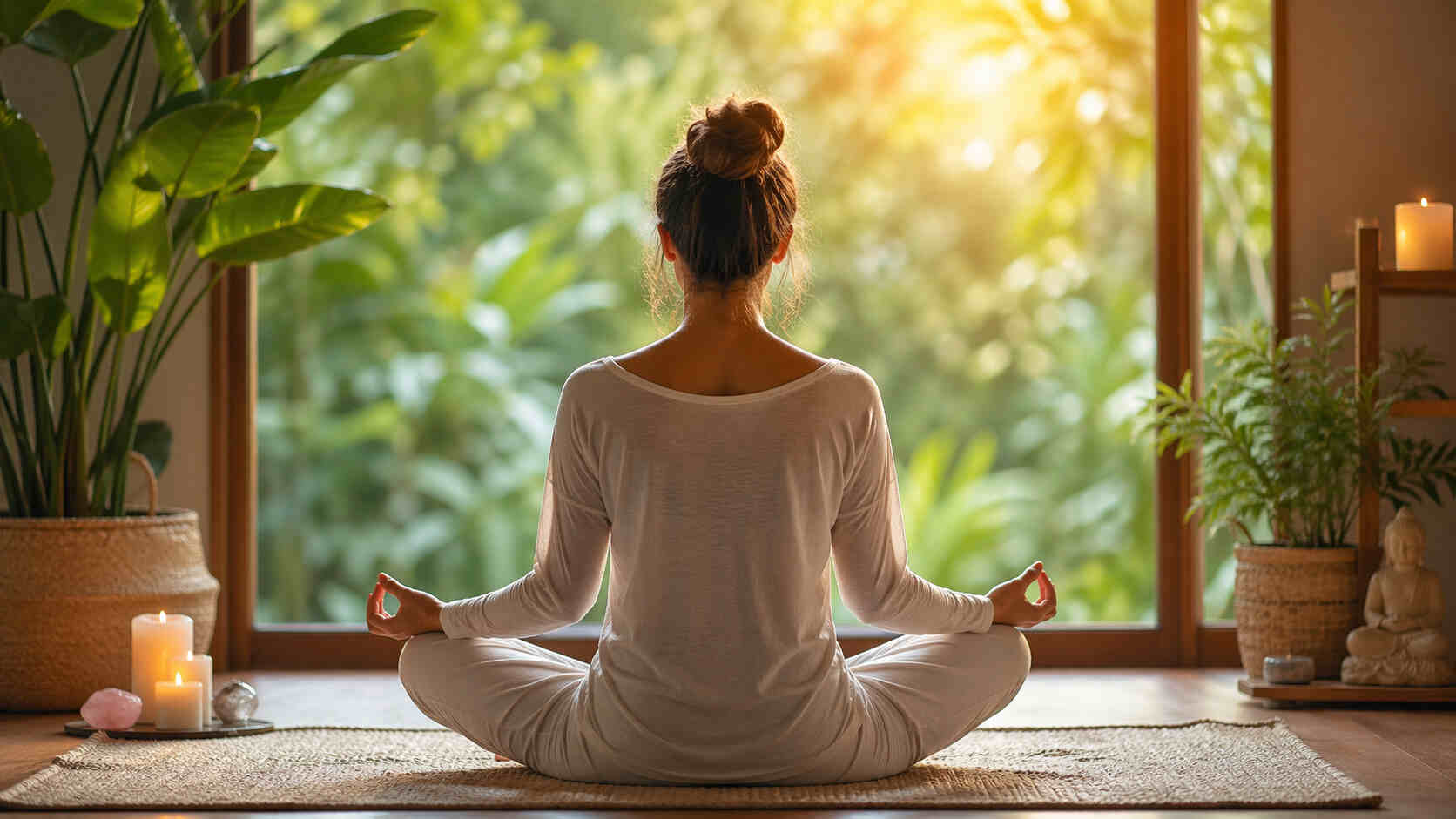
Sit cross-legged on the floor or on a chair with your back straight. You can also lie down if that feels more comfortable.
Step 3: Focus on Your Breath
Close your eyes and take slow, deep breaths. Inhale deeply through your nose and exhale gently through your mouth.
Step 4: Bring Awareness to Gratitude
Start thinking about things you are grateful for. These can include:
- Your family and friends
- Your health and body
- Nature and surroundings
- Opportunities and experiences
Step 5: Feel the Emotion
Don’t just think about gratitude—feel it deeply. Let the emotion of thankfulness fill your heart and body.
Step 6: Expand Your Gratitude
Gradually extend your gratitude to:
People you may not usually think about
Challenges that helped you grow
Yourself and your efforts
Step 7: End with Awareness
Slowly bring your attention back to your breath and surroundings. Open your eyes gently and carry this positive energy into your day.
Best Time to Practice Gratitude Meditation
While gratitude meditation can be practiced anytime, certain moments enhance its effectiveness:
- Morning: Sets a positive tone for the day
- Before Sleep: Promotes relaxation and better sleep
- During Stressful Moments: Helps regain emotional balance
Consistency is more important than timing. Even 5–10 minutes daily can create noticeable changes.
Types of Gratitude Meditation Practices
1. Guided Gratitude Meditation
Listening to guided sessions can help beginners stay focused and structured.
2. Silent Gratitude Meditation
Practicing in silence allows deeper introspection and emotional connection.
3. Gratitude Journaling Meditation
Combining meditation with writing enhances clarity and emotional release.
4. Loving-Kindness Meditation (Metta)
This involves sending gratitude and positive energy to yourself and others.
Common Mistakes to Avoid
- Forcing gratitude instead of feeling it naturally
- Practicing inconsistently
- Multitasking during meditation
- Expecting instant results
Gratitude meditation is a gradual process. The more you practice, the more natural it becomes.
How Gratitude Meditation Improves Daily Life
Incorporating gratitude meditation into your routine can transform everyday experiences:
- You become more patient and less reactive
- You appreciate small moments more deeply
- You develop a positive outlook even during challenges
- You feel more connected to yourself and others
It’s not about ignoring problems—it’s about changing your perspective toward them.
Conclusion
Gratitude meditation is more than just a mindfulness technique—it is a powerful tool for transforming your mindset and improving your overall quality of life. By consistently practicing gratitude, you train your mind to focus on abundance rather than lack, positivity rather than negativity.
In a world that constantly demands more, gratitude meditation reminds you to appreciate what you already have. It helps you slow down, reconnect with yourself, and find joy in the present moment.
Whether you are a beginner or someone experienced in meditation, incorporating gratitude into your daily routine can lead to profound emotional, mental, and even physical benefits.
Start small, stay consistent, and watch how this simple practice creates lasting change in your life.