
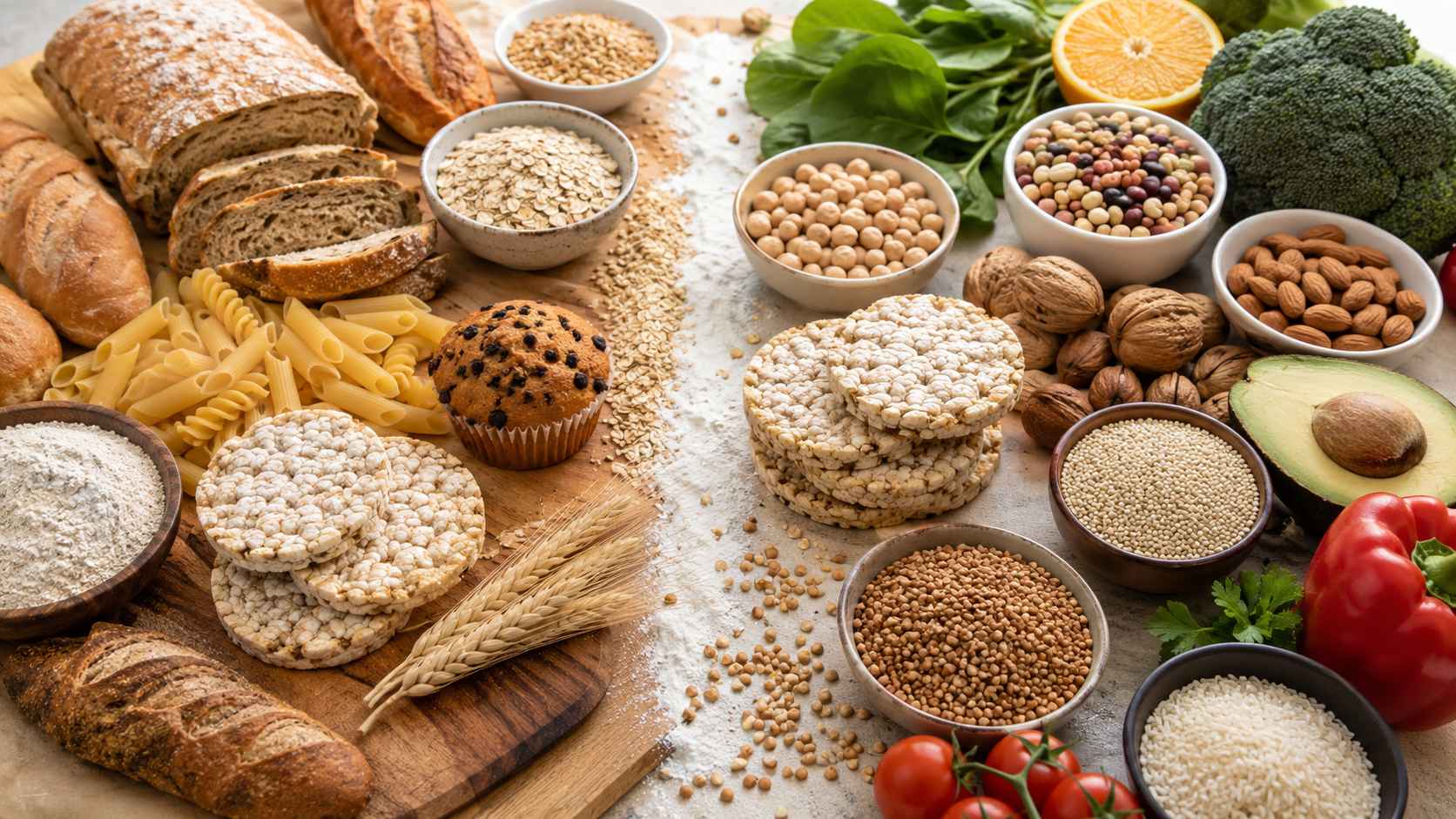
Introduction
Over the last decade, the phrase “gluten-free” has transformed from a medical dietary requirement into a global wellness trend. Grocery store aisles are now filled with gluten-free breads, snacks, cereals, desserts, and restaurant menus highlighting gluten-free options. Social media influencers, athletes, celebrities, and wellness experts often promote gluten-free eating as a healthier lifestyle choice, leading many people to wonder whether they should also eliminate gluten from their diets.
At the same time, confusion around gluten has grown significantly. Some people believe gluten causes inflammation, fatigue, digestive issues, and weight gain in everyone, while others argue that gluten is perfectly safe for most individuals. This debate has created uncertainty about whether a gluten-free diet is truly beneficial or simply another health trend.
The reality is more complex. For certain individuals, such as those with celiac disease or gluten sensitivity, avoiding gluten is medically necessary and can dramatically improve health and quality of life. For others, however, removing gluten may provide little benefit and could even lead to nutritional deficiencies if not planned carefully.
This guide explores what gluten is, how gluten affects the body, who should consider a gluten-free diet, the potential benefits and risks, and whether this eating approach is right for your lifestyle and health goals.
What Is Gluten?
Gluten is a family of proteins naturally found in grains such as wheat, barley, and rye. These proteins help foods maintain their structure, elasticity, and texture. Gluten is what gives bread its chewy consistency and helps dough rise during baking.
Although gluten is commonly associated with bread and pasta, it is also found in many processed foods, sauces, soups, snacks, and even some medications and supplements.
Foods that commonly contain gluten include:
- Bread
- Pasta
- Pizza dough
- Cakes and cookies
- Cereals
- Crackers
- Beer
- Soy sauce
- Packaged snacks
Because gluten appears in many everyday foods, following a gluten-free diet requires careful attention to food labels and ingredients.
Why Has Gluten Become So Controversial?
For thousands of years, humans consumed gluten-containing grains without widespread concern. Wheat and related grains were among the earliest cultivated foods and became staples in many cultures because they provided energy, nutrients, and storage stability.
However, in recent decades, awareness of gluten-related disorders has increased significantly. Medical research identified conditions such as celiac disease and non-celiac gluten sensitivity, leading more people to connect digestive and health symptoms with gluten consumption.
At the same time, the wellness industry contributed to the idea that gluten-free eating might improve energy levels, digestion, skin health, mental clarity, and weight management—even for people without diagnosed gluten-related conditions.
This combination of medical awareness and health marketing transformed gluten from a common dietary protein into a controversial topic.
Understanding Gluten-Related Conditions
Not everyone reacts to gluten in the same way. Understanding gluten-related disorders is essential before deciding whether to try a gluten-free diet.
Celiac Disease
Celiac disease is a serious autoimmune disorder in which the immune system attacks the small intestine after gluten consumption. Even small amounts of gluten can trigger inflammation and damage the intestinal lining.
This damage interferes with nutrient absorption and can lead to long-term health complications.
Symptoms of Celiac Disease
Symptoms vary widely and may include:
- Abdominal pain
- Bloating
- Diarrhea
- Fatigue
- Weight loss
- Anemia
- Skin rashes
- Joint pain
- Brain fog
Some individuals experience digestive symptoms, while others mainly experience fatigue or neurological issues.
Why a Gluten-Free Diet Is Essential
For people with celiac disease, a strict lifelong gluten-free diet is the only effective treatment. Continuing to consume gluten can lead to severe complications, including malnutrition, osteoporosis, infertility, neurological disorders, and increased cancer risk.
Non-Celiac Gluten Sensitivity
Some individuals experience symptoms after eating gluten despite testing negative for celiac disease. This condition is known as non-celiac gluten sensitivity (NCGS).
Symptoms may include:
- Bloating
- Fatigue
- Headaches
- Brain fog
- Digestive discomfort
- Joint pain
Unlike celiac disease, NCGS does not appear to cause autoimmune intestinal damage. However, symptoms can still significantly affect quality of life.
Research into NCGS is ongoing, and diagnosis remains difficult because symptoms overlap with other digestive disorders.
Wheat Allergy
A wheat allergy differs from gluten sensitivity and celiac disease. It is an allergic immune reaction to proteins found in wheat.
Symptoms may include:
- Skin rashes
- Swelling
- Breathing difficulty
- Digestive discomfort
Individuals with wheat allergies must avoid wheat but may tolerate gluten from non-wheat sources depending on their specific allergy.
Why Some People Feel Better on a Gluten-Free Diet
Many people report feeling healthier after eliminating gluten, even without a formal diagnosis.
Possible reasons include:
- Reduced intake of processed foods
- Improved awareness of food choices
- Increased fruit and vegetable consumption
- Elimination of foods causing digestive irritation
Some experts believe that people often feel better not because gluten itself is harmful, but because they begin eating more whole and minimally processed foods.
Potential Benefits of a Gluten-Free Diet
For people with genuine gluten-related conditions, the benefits of a gluten-free diet can be significant.
Improved Digestive Health
One of the most common benefits reported is improved digestion.
People sensitive to gluten often experience reduced:
- Bloating
- Gas
- Diarrhea
- Stomach pain
Many individuals notice symptom improvement within weeks of removing gluten from their diets.
Increased Energy Levels
- Undiagnosed gluten sensitivity or celiac disease can interfere with nutrient absorption, leading to fatigue and low energy.
- Once gluten is removed, the intestines may heal, improving nutrient absorption and energy levels.
Reduced Inflammation
- For individuals with celiac disease, gluten triggers inflammatory immune responses. Eliminating gluten helps reduce inflammation and supports healing.
- Some people also report improvements in joint pain, headaches, and skin conditions after adopting a gluten-free diet.
Better Nutrient Absorption
When the intestines heal from gluten-related damage, the body can absorb vitamins and minerals more effectively.
This may improve deficiencies in:
- Iron
- Calcium
- Folate
- Vitamin B12
Potential Mental Clarity Improvements
Some individuals report improvements in:
- Brain fog
- Focus
- Mood
- Mental clarity
Although more research is needed, digestive health and inflammation may influence cognitive function.
Risks and Drawbacks of a Gluten-Free Diet
Despite its benefits for some people, a gluten-free diet is not automatically healthier for everyone.
Nutritional Deficiencies
Many gluten-containing whole grains provide important nutrients such as:
- Fiber
- Iron
- B vitamins
- Magnesium
- Folate
Removing these foods without proper replacements can lead to deficiencies.
Higher Food Costs
- Gluten-free products are often significantly more expensive than regular alternatives.
- Specialty gluten-free bread, snacks, and cereals can cost substantially more than standard versions.
Overdependence on Processed Gluten-Free Foods
Many processed gluten-free products contain:
- Extra sugar
- Higher fat content
- Additives
- Excess sodium
A gluten-free label does not automatically make a food healthy.
Social and Lifestyle Challenges
Following a strict gluten-free diet can create social difficulties, especially when dining out or attending gatherings.
People may experience:
- Anxiety about food choices
- Limited restaurant options
- Difficulty traveling
- Fear of cross-contamination
Gluten-Free Does Not Mean Weight Loss
One common misconception is that gluten-free eating automatically causes weight loss.
- In reality, many gluten-free processed foods contain high amounts of calories, sugar, and fat.
- Some people even gain weight after switching to gluten-free products.
Foods Naturally Free of Gluten
Many nutritious foods are naturally gluten-free.
These include:
- Fruits
- Vegetables
- Rice
- Potatoes
- Beans
- Lentils
- Eggs
- Meat
- Fish
- Nuts
- Seeds
- Quinoa
- Millet
- Corn
Whole-food gluten-free eating is often healthier than relying heavily on packaged alternatives.
Foods to Avoid on a Gluten-Free Diet
Foods containing wheat, barley, or rye must be avoided.
Common examples include:
- Bread
- Pasta
- Cakes
- Cookies
- Beer
- Cereals
- Crackers
- Soy sauce
- Some soups and sauces
Reading ingredient labels becomes essential because gluten can appear in unexpected products.
The Importance of Label Reading
One of the biggest challenges of going gluten-free is hidden gluten.
Gluten may appear in:
- Sauces
- Seasonings
- Processed meats
- Snack foods
- Salad dressings
FDA regulations require gluten-free labeled products to contain less than 20 parts per million of gluten.
Learning to read labels carefully is a critical skill for maintaining a gluten-free diet safely.
Can You Try Gluten-Free Temporarily?
- Some individuals experiment with short-term gluten elimination to observe how their bodies respond.
- However, experts recommend getting tested for celiac disease before eliminating gluten because testing becomes less accurate after gluten removal.
- Temporary gluten elimination may help identify food sensitivities, but professional guidance is important.
Gluten-Free Diet and Ayurveda
Ayurvedic philosophy approaches diet from the perspective of balance and individual constitution.
- According to Ayurvedic traditions, grains can support strength and nourishment, but modern food processing and industrial farming may contribute to digestive difficulties in some individuals.
- Rather than universally avoiding gluten, Ayurveda emphasizes understanding personal constitution and choosing foods that support balance.
Real Experiences from Gluten-Free Communities
Online communities provide insight into the everyday experiences of people following gluten-free diets.
- Many people report improvements in digestion and energy after eliminating gluten.
- Others highlight challenges such as high costs, restrictive eating, and difficulty finding satisfying gluten-free alternatives.
- One common theme among experienced gluten-free eaters is focusing on naturally gluten-free whole foods instead of heavily processed replacements.
Tips for Starting a Gluten-Free Diet
If you decide to try a gluten-free diet, the following strategies can help:
- Avoid Over-Reliance on Processed Products: Packaged gluten-free snacks and baked goods should not replace balanced meals.
- Consult a Healthcare Professional: Testing and professional guidance are important before making major dietary changes.
- Be Patient: Digestive improvement may take time, especially for individuals with long-term sensitivity.
Should Everyone Go Gluten-Free?
Current evidence does not support the idea that gluten is harmful for everyone.
- For most healthy individuals without gluten-related disorders, whole grains containing gluten can provide valuable nutrients and fiber.
- A gluten-free diet should ideally be based on medical need, symptoms, or professional guidance rather than trends alone.
Conclusion
The gluten-free diet is neither a miracle solution nor an unnecessary fad. Its value depends entirely on the individual following it.
For people with celiac disease, gluten sensitivity, or wheat allergies, avoiding gluten can be life-changing and medically essential. Improved digestion, better energy, reduced inflammation, and enhanced overall well-being are common outcomes.
However, for individuals without gluten-related conditions, removing gluten may provide little benefit and can create nutritional, financial, and social challenges if approached carelessly.
The key is understanding your body, seeking proper medical advice, and focusing on balanced nutrition rather than blindly following dietary trends. A well-planned diet—whether gluten-free or not—should prioritize whole foods, variety, and long-term sustainability.