
Introduction
In the world of yoga and breathwork, few techniques are as dynamic and transformative as Kapalbhati Pranayama, often referred to as the “Breath of Fire.” Unlike slow and calming breathing exercises, Kapalbhati is energizing, rhythmic, and powerful—designed to cleanse the body, sharpen the mind, and awaken inner vitality.
The term Kapalbhati comes from two Sanskrit words:
Kapal = skull or forehead
Bhati = shining or illuminating
Together, Kapalbhati translates to “the shining skull technique,” symbolizing clarity, brightness, and mental awakening. This name reflects the practice’s ability to enhance brain function, increase alertness, and create a sense of inner lightness.
At its core, Kapalbhati is a cleansing breathing technique (Shatkarma) that focuses on forceful exhalations and passive inhalations. While it may appear simple, its impact on the body and mind is profound. It stimulates the respiratory system, detoxifies the body, and boosts energy levels, making it a favorite among yoga practitioners worldwide.
In today’s lifestyle—where stress, fatigue, poor digestion, and lack of focus are common—Kapalbhati offers a natural and effective solution. This guide will take you through everything you need to know: its meaning, benefits, step-by-step practice, scientific insights, precautions, and how to integrate it into your daily routine.
What is Kapalbhati Pranayama? A Complete Understanding
Kapalbhati is a breathing technique that involves rapid, forceful exhalations followed by passive inhalations. It is categorized under Shatkarma (yogic cleansing techniques) rather than traditional pranayama because of its detoxifying nature.
Key Characteristics of Kapalbhati
- Active, forceful exhalation
- Passive, automatic inhalation
- Rhythmic abdominal contractions
- Fast-paced breathing cycles
Unlike other breathing techniques that emphasize slow inhalation and exhalation, Kapalbhati focuses on expelling air quickly and repeatedly, which helps remove toxins and stagnant air from the lungs.
How It Works
Each exhalation:
- Contracts the abdominal muscles
- Pushes air out forcefully
- Stimulates internal organs
Inhalation happens naturally as the lungs refill without effort.
The Origins & Yogic Significance of Kapalbhati
Kapalbhati has its roots in ancient yogic texts such as the Hatha Yoga Pradipika, where it is described as a powerful cleansing technique for purifying the body and mind.
Spiritual Significance
In yogic philosophy, Kapalbhati is believed to:
- Cleanse energy channels (nadis)
- Activate the third eye (Ajna chakra)
- Prepare the mind for meditation
The “shining skull” concept symbolizes mental clarity, heightened awareness, and spiritual awakening.
Role in Yogic Practice
Kapalbhati is often practiced:
- Before meditation
- As part of morning routines
- Alongside other pranayama techniques
It acts as a bridge between physical cleansing and mental focus.
How to Do Kapalbhati Pranayama: Step-by-Step Guide
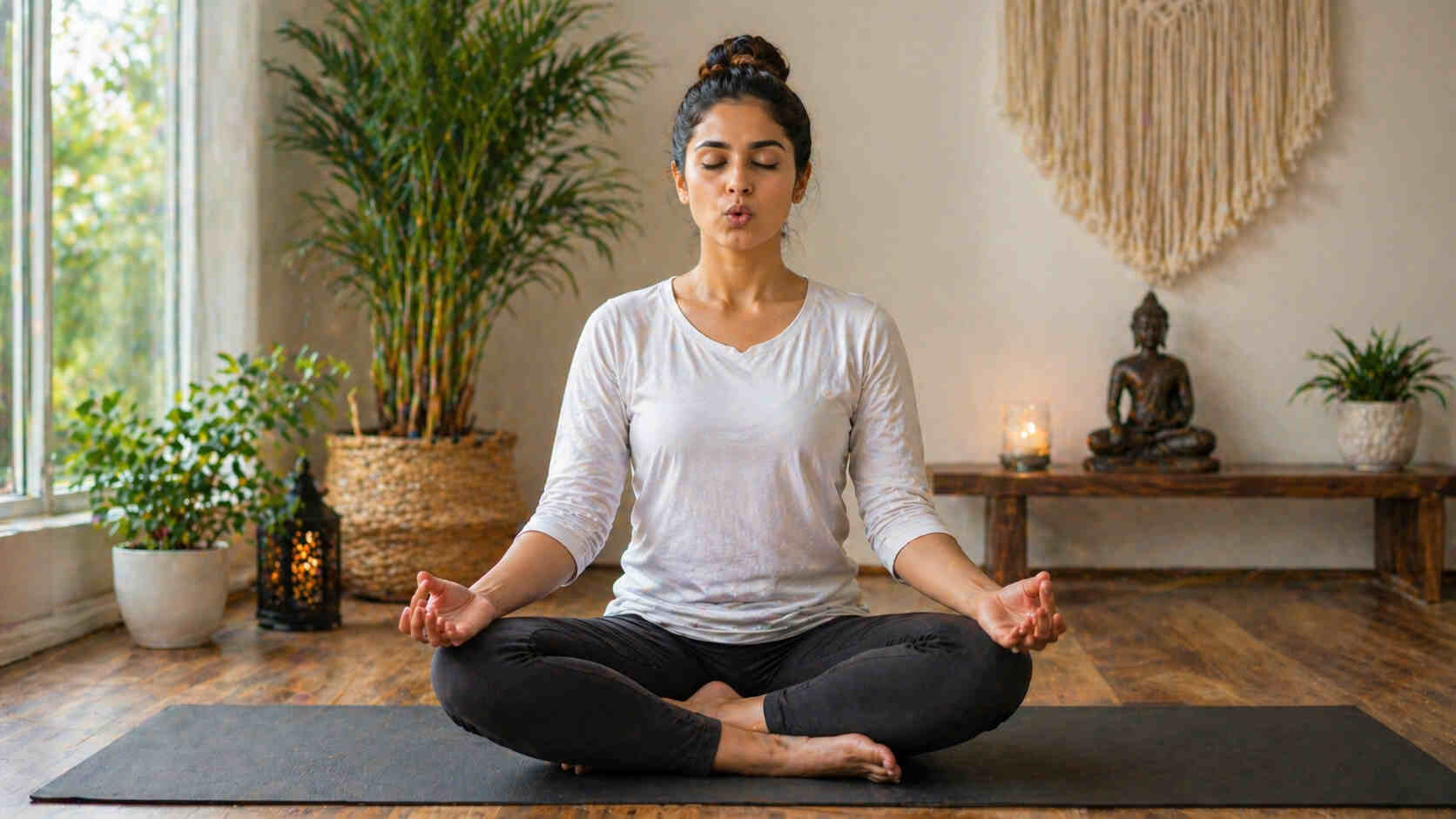
Step 1: Find a Comfortable Position
- Sit in a cross-legged position (Sukhasana or Padmasana)
- Keep your spine straight
- Rest hands on knees
Step 2: Relax and Prepare
- Close your eyes
- Take a few deep breaths
- Relax your body
Step 3: Begin the Practice
- Inhale normally
- Exhale forcefully by pulling your abdomen inward
- Allow inhalation to happen naturally
Step 4: Maintain Rhythm
- Start slowly (20–30 strokes per minute)
- Gradually increase speed
Step 5: Complete One Round
- Perform 30–50 breaths
- Rest for a few seconds
- Repeat for 2–3 rounds
Breathing Pattern Explained
- Exhalation: Active, forceful, short
- Inhalation: Passive, automatic
The focus is entirely on the exhalation process.
Top Benefits of Kapalbhati Pranayama
Kapalbhati offers a wide range of physical, mental, and emotional benefits.
1. Detoxifies the Body
- Removes toxins through rapid breathing
- Cleanses respiratory system
- Improves oxygen exchange
2. Improves Digestion
- Stimulates abdominal organs
- Enhances metabolism
- Helps reduce bloating and constipation
3. Boosts Energy Levels
- Increases oxygen supply
- Activates nervous system
- Reduces fatigue
4. Enhances Mental Clarity
- Improves focus and concentration
- Clears mental fog
- Promotes alertness
5. Supports Weight Management
- Engages core muscles
- Improves metabolism
- Helps burn calories
6. Strengthens Respiratory System
- Improves lung capacity
- Clears nasal passages
- Enhances breathing efficiency
7. Reduces Stress and Anxiety
- Balances nervous system
- Promotes calmness
- Improves emotional stability
Scientific Perspective: How Kapalbhati Affects the Body
Kapalbhati works through multiple physiological mechanisms:
- Increased Oxygen Supply: Rapid breathing enhances oxygen intake.
- Improved Blood Circulation: Boosts circulation to the brain and organs.
- Nervous System Activation: Stimulates both sympathetic and parasympathetic systems.
- Detoxification: Expels carbon dioxide and toxins efficiently.
Common Mistakes to Avoid
- Forcing inhalation
- Moving shoulders instead of abdomen
- Practicing too fast initially
- Practicing on a full stomach
Precautions & Who Should Avoid Kapalbhati
Kapalbhati is powerful and should be practiced carefully.
Avoid or Consult a Doctor If You Have:
- High blood pressure
- Heart conditions
- Hernia
- Pregnancy
- Recent surgery
Always start slowly and listen to your body.
Best Time & Duration for Practice
- Morning (empty stomach) is ideal
- Practice for 5–10 minutes daily
- Gradually increase intensity
Kapalbhati vs Other Pranayama Techniques
- Kapalbhati: Fast and helps for body detox & energy
- Anulom Vilom: Slow and Balanced
- Bhramari: Helps in Slow Relaxation
Daily Routine Incorporating Kapalbhati
Morning Routine
- 5 min Kapalbhati
- 5 min Anulom Vilom
- 10 min meditation
Evening Routine
- Light breathing exercises
- Relaxation
Conclusion
Kapalbhati Pranayama is more than just a breathing exercise—it is a powerful tool for transformation. From detoxifying the body to sharpening the mind and boosting energy, it offers a holistic approach to well-being.
With consistent practice, patience, and proper technique, Kapalbhati can help you achieve:
- Better health
- Improved focus
- Increased vitality
Start small, stay consistent, and experience the incredible benefits of this ancient yogic practice.