
Introduction
Even the most dedicated practitioners of Yoga sometimes experience a plateau. After months or years of repeating similar routines, yoga can begin to feel mechanical instead of inspiring. If you notice that your practice has lost its excitement, creativity, or emotional connection, it may be time for a reset.
Rebooting your yoga practice doesn’t mean starting from scratch. Instead, it means rediscovering the curiosity, mindfulness, and awareness that make yoga such a transformative practice. According to yoga teachers and wellness experts, refreshing your practice can deepen physical strength, improve flexibility, and strengthen mental clarity.
Whether you are a beginner yogi or an experienced practitioner, these 11 powerful ways to reboot your yoga practice can help you reconnect with your body, breath, and inner awareness.
Why Yoga Practices Sometimes Feel Stagnant
Before exploring how to reboot your yoga routine, it helps to understand why practices sometimes feel stagnant.
Common reasons include:
- Repeating the same sequence every day
- Lack of mental engagement
- Practicing only physical poses without mindfulness
- Overtraining or burnout
- Losing connection with breath and meditation
Yoga is more than physical exercise—it is a holistic practice that integrates movement, breath, mindfulness, and philosophy. When one element dominates the others, the practice can lose balance.
Refreshing your routine allows you to rediscover the deeper dimensions of yoga.
1. Slow Down and Explore Stillness
Many yoga practitioners focus heavily on challenging poses and fast-paced flows. However, stillness can be just as transformative.
Taking time to pause in poses encourages deeper body awareness and mindfulness. Instead of rushing through movements, try:
- Holding poses longer
- Slowing down transitions
- Observing sensations in the body
Practicing stillness can reveal subtle muscular engagement and breathing patterns that you might normally overlook. It also encourages mental clarity and emotional balance.
Gentle styles such as yin yoga and restorative yoga can help cultivate this awareness by emphasizing relaxation and deep connective tissue stretching.
2. Experiment With New Yoga Styles
If your practice feels repetitive, experimenting with new yoga styles can reignite motivation.
Popular styles include:
- Vinyasa Yoga
- Ashtanga Yoga
- Kundalini Yoga
- Yin Yoga
Each style offers unique benefits.
For example:
- Vinyasa builds stamina and coordination
- Ashtanga improves discipline and strength
- Kundalini focuses on spiritual awakening
- Yin yoga enhances deep flexibility
Trying new approaches challenges your body and mind while preventing routine fatigue.
3. Incorporate Yoga Props for Deeper Alignment
Many beginners believe props are only for beginners, but experienced yogis also rely on them for support and refinement.
Common yoga props include:
- Blocks
- Straps
- Bolsters
- Blankets
These tools help improve alignment, deepen stretches, and prevent injuries.
Props allow you to safely explore poses while reducing strain. They can also reveal new ways to experience familiar postures.
For example:
- Blocks help stabilize standing poses
- Straps assist with flexibility in forward folds
- Bolsters support restorative poses
Using props encourages safe and sustainable progress in your yoga journey.
4. Reconnect With the Breath Through Pranayama
Breathwork lies at the heart of yoga. The practice of Pranayama helps regulate energy and focus the mind.
Breathing exercises improve:
- Oxygen flow
- Mental clarity
- Emotional balance
- Nervous system regulation
Simple techniques include:
- Dirga Pranayama (Three-Part Breath): This technique encourages deep abdominal breathing.
- Nadi Shodhana (Alternate Nostril Breathing): A calming practice that balances the nervous system.
- Box Breathing: A structured breathing rhythm used for focus and relaxation.
Even practicing breathwork for five minutes a day can dramatically enhance your yoga experience.
5. Practice Self-Compassion on and off the Mat
One of the most overlooked aspects of yoga is emotional awareness.
Many practitioners become overly critical when they cannot achieve certain poses. However, yoga philosophy emphasizes self-compassion and non-judgment.
If you feel frustrated in your practice:
- Avoid negative self-talk
- Focus on progress rather than perfection
- Celebrate small improvements
Yoga is not about achieving the most advanced pose—it is about cultivating mindfulness and acceptance. Self-compassion also reflects the yogic principle of Ahimsa, which means non-harming.
6. Bring Playfulness and Joy Into Your Practice
Yoga doesn’t always have to be serious. Exploring playful movements and creative sequences can bring excitement back to your routine.
Ideas for playful practice include:
- Trying arm balances
- Exploring new transitions
- Creating your own yoga sequence
- Practicing outdoors in nature
Allow yourself to experiment without worrying about perfection. When you enjoy your practice, consistency naturally follows.
7. Connect With a Yoga Community
Practicing alone can sometimes reduce motivation. Joining a yoga community can bring inspiration and accountability.
Options include:
- Yoga studio classes
- Online yoga sessions
- Yoga retreats and workshops
- Community yoga events
Practicing with others introduces new perspectives and teaching styles. It also creates a sense of belonging and shared growth.
8. Explore Mudras to Enhance Energy Flow
Another way to refresh your yoga routine is by incorporating Mudra. Mudras are hand gestures believed to influence energy flow within the body.
Examples include:
- Gyan Mudra: Promotes concentration and meditation.
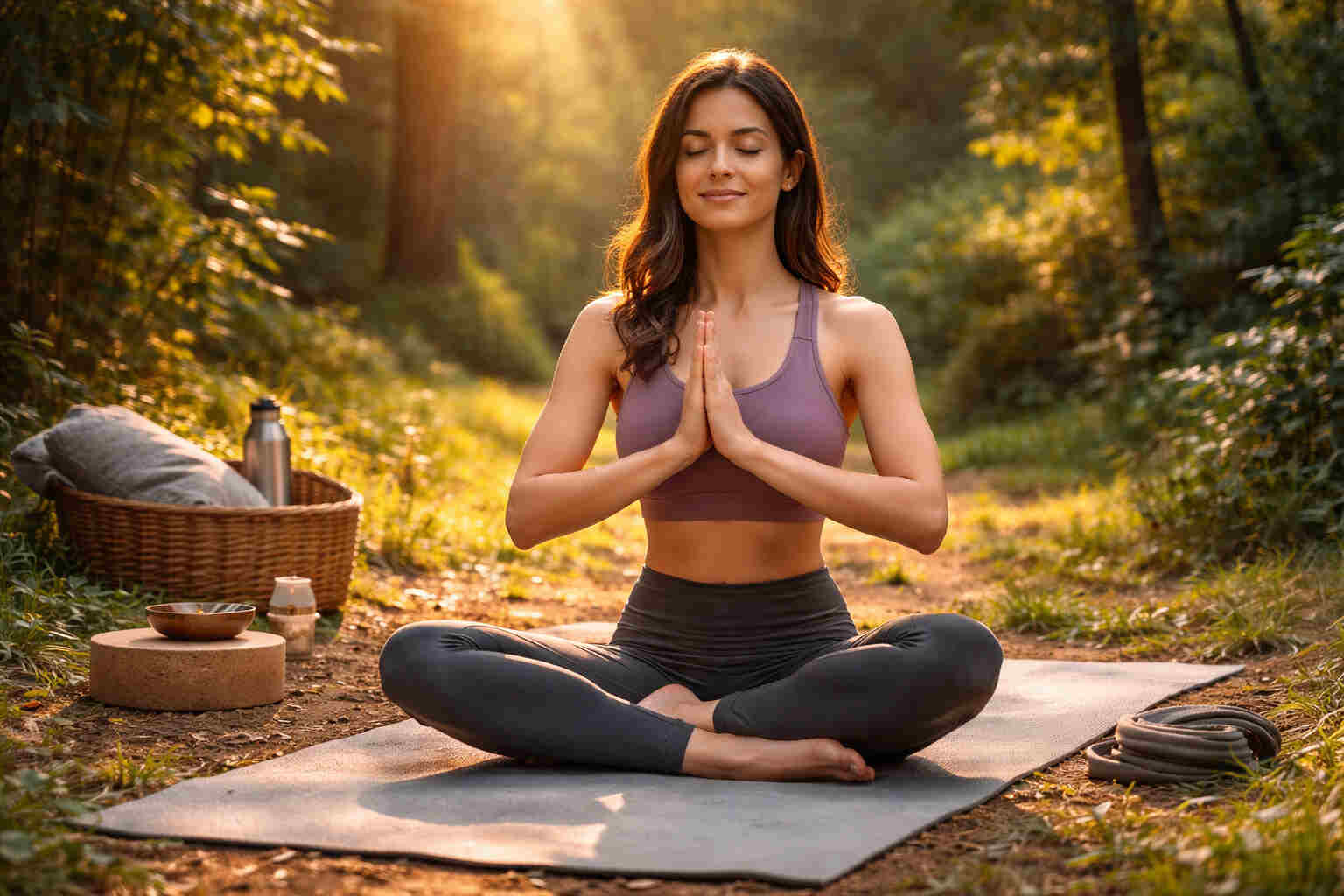
- Anjali Mudra: Represents gratitude and respect.
- Chin Mudra: Encourages relaxation and inner awareness.
Mudras can be practiced during meditation, breathing exercises, or even while walking.
9. Practice Silence and Meditation
In modern yoga classes, music often accompanies movement. However, silence can deepen your awareness. Silent practice allows you to notice:
- Breath rhythm
- Muscle engagement
- Emotional responses
- Mental patterns
Meditation also enhances yoga practice by calming the mind. Even five minutes of seated meditation can help cultivate focus and emotional balance.
10. Use Mantras to Focus the Mind
Chanting or repeating a Mantra can enhance concentration during yoga. Mantras create vibrational energy that calms the nervous system. Common mantras include:
- Om
- So Hum
- Om Shanti
Repeating these sounds during meditation helps quiet distracting thoughts and deepen mindfulness.
11. Take a Break and Explore Other Activities
Sometimes the best way to reconnect with yoga is to step away temporarily.
Trying other activities can strengthen muscles and improve body awareness.
Examples include:
- Pilates
- Rock climbing
- Dance
- Swimming
Exploring new movement patterns often enhances yoga practice when you return to the mat. Cross-training also reduces the risk of repetitive strain injuries.
The Benefits of Rebooting Your Yoga Practice
Refreshing your yoga routine offers numerous physical and mental benefits.
Physical Benefits
- Increased flexibility
- Improved strength
- Better posture
- Enhanced mobility
Mental Benefits
- Reduced stress
- Improved concentration
- Emotional resilience
- Greater mindfulness
Regular yoga practice has also been linked to improved mental well-being and stress management.
Tips to Stay Consistent With Yoga
Once you reboot your practice, maintaining consistency becomes easier with a few simple strategies.
- Create a Routine: Practice at the same time each day.
- Start Small: Even 10–15 minutes daily can make a difference.
- Track Your Progress: Journaling or recording sessions can highlight improvements.
- Stay Curious: Continue exploring new poses, styles, and breathing techniques.
Consistency transforms yoga from an activity into a lifestyle.
Conclusion
Yoga is a lifelong journey rather than a fixed routine. When your practice begins to feel repetitive or uninspiring, it’s a sign that growth is waiting on the other side of exploration.
By experimenting with new styles, reconnecting with breathwork, embracing mindfulness, and cultivating joy, you can transform your yoga routine into a renewed source of energy and inspiration.
The key is simple: stay curious, stay compassionate with yourself, and keep showing up on the mat.