
Introduction
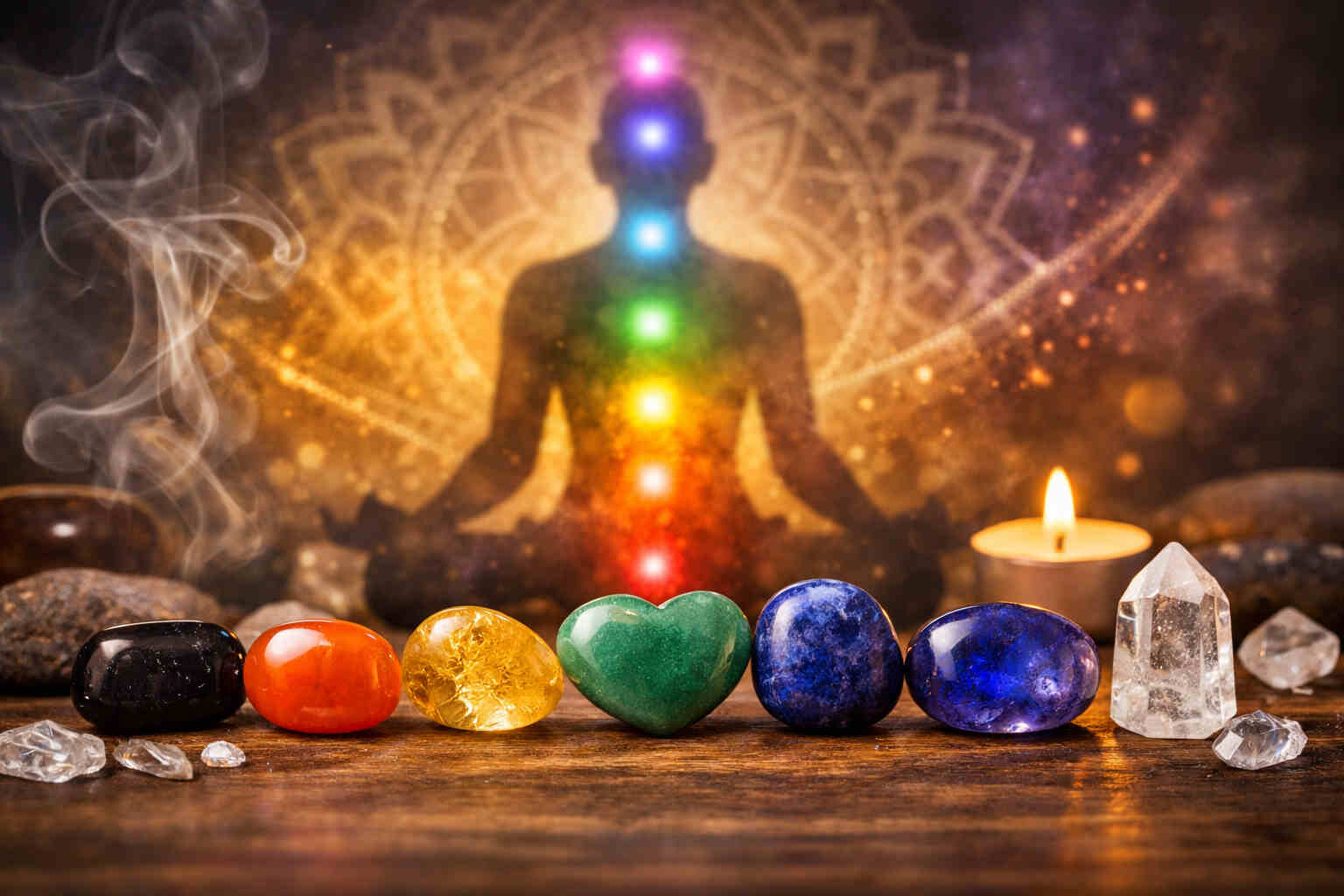
Throughout history, crystals and gemstones have been revered not just for their physical beauty but for the energy they are believed to carry. In various spiritual traditions, these stones are used as tools to balance and harmonize the body’s subtle energy systems — particularly the chakras, or the seven major energy centers that run from the base of the spine to the crown of the head.
While their effects aren’t scientifically proven, many people worldwide report profound emotional, spiritual, and mental benefits from integrating chakra stones into their mindfulness themes and healing practices.
Let’s explore the fascinating world of chakra stones and crystals — what they are, how they’re linked to specific chakras, and how you can utilize them to invite greater harmony and clarity into your life.
What Are Chakras — And Why Do They Matter?
In ancient Eastern traditions, chakras are described as spinning wheels or vortexes of energy within the subtle body. Each of these seven centers corresponds to major facets of human experience like security, creativity, communication, intuition, and connection to the divine. These centers govern not only physical vitality but emotional well-being and spiritual awareness too.
When a chakra is out of balance — due to stress, trauma, or life transitions — energy may stagnate or become overactive, leading to emotional or physical discomfort. Many spiritual practitioners use meditative practices, sound healing, movement, and chakra stones to recalibrate these energy points.
Chakra Crystals: What They Are and How They Work
Chakra stones or crystals are natural gemstones believed to resonate with specific energy frequencies that correspond to each chakra. These frequencies — often reflected in the color of the stone — are said to help unblock, tune, and elevate the energy of a chakra when placed near or on the body.
For instance, placing a green or pink stone over the heart chakra is thought to nurture love and compassion, while an indigo stone over the forehead (third eye) may deepen intuition and inner clarity.
Although modern science does not validate these claims, many people find crystals helpful in supporting intention, meditation, and emotional grounding — and psychologists recognize the power of intention and focused practice in enhancing a sense of well-being.
7 Main Chakras and Their Crystals
1. Root Chakra (Muladhara) — Grounding & Security
The Root Chakra is associated with the colors red and black and represents safety, stability, and survival instincts. It forms the foundation of the chakra system and is deeply connected to feelings of security, grounding, and physical well-being.
Crystals linked to the Root Chakra include Black Obsidian, known for absorbing negative energy and encouraging emotional protection; Smoky Quartz, which helps release old emotional blockages; Hematite, often used for grounding and strengthening courage; Red Jasper, believed to enhance stamina and resilience; and Black Tourmaline, valued for protection and stress relief.
This grounding energy aligns with the meaning of the Om symbol, which represents the universal sound of creation and the deep connection between mind, body, and the universe, promoting inner stability and awareness.
2. Sacral Chakra (Svadhishthana) — Creativity & Desire
The Sacral Chakra is represented by the color orange and governs creativity, pleasure, emotional expression, and passion. It influences how we experience joy, intimacy, and inspiration.
Crystals associated with this chakra include Carnelian, which boosts motivation and vitality; Orange Calcite, known for encouraging joy and emotional flow; Sunstone, often linked with positivity and personal empowerment; Peach Moonstone, believed to enhance emotional balance; and Peach Selenite, which is used to clear emotional blockages.
These stones help reconnect individuals with their creative energy, emotional warmth, and sense of pleasure.
3. Solar Plexus Chakra (Manipura) — Self-Confidence & Willpower
The Solar Plexus Chakra is connected to the colors yellow and gold and represents personal power, self-esteem, and determination. It plays a major role in confidence, decision-making, and motivation.
Crystals commonly associated with this chakra include Citrine, known for boosting self-confidence and encouraging a success-oriented mindset; Tiger’s Eye, believed to strengthen focus and determination; Pyrite, often used to enhance mental clarity; Yellow Sapphire, associated with prosperity and wisdom; and Yellow Jade, valued for promoting joy and optimism.
This chakra symbolizes inner strength, and these stones are used to support courage, ambition, and personal growth.
4. Heart Chakra (Anahata) — Love & Compassion
The Heart Chakra is represented by green and pink and governs love, compassion, emotional balance, and inner peace. It serves as the bridge between the physical and spiritual chakras.
Crystals linked to the Heart Chakra include Rose Quartz, widely known for emotional healing and self-love; Green Aventurine, believed to promote harmony and emotional growth; Rhodochrosite, associated with self-acceptance and forgiveness; Malachite, often used for transformation and deep emotional healing; and Rhodonite, valued for compassion and healthy emotional boundaries.
Heart chakra stones are among the most popular and are often used to support emotional healing and relationship balance.
5. Throat Chakra (Vishuddha) — Truth & Expression
The Throat Chakra is associated with the color blue and governs communication, self-expression, and truth. It influences how honestly and clearly we express ourselves.
Crystals for this chakra include Aquamarine, believed to calm fears around speaking; Sodalite, known for promoting clarity of thought; Blue Topaz, associated with truth and eloquence; Angelite, valued for gentle and peaceful communication; and Celestite, often linked to higher clarity and calm expression.
These stones are frequently used by individuals seeking to improve communication, creativity, and authentic self-expression.
6. Third Eye Chakra (Ajna) — Intuition & Insight
The Third Eye Chakra is represented by the color indigo and is associated with intuition, perception, and inner wisdom. It plays a key role in insight, imagination, and spiritual awareness.
Crystals connected to this chakra include Amethyst, widely used for spiritual awareness; Lapis Lazuli, associated with self-expression and deep insight; Purple Fluorite, believed to enhance mental clarity; Turquoise, valued for calm perspective; and Kyanite, often used to deepen meditation experiences.
These stones are commonly favored for meditation and for enhancing intuitive and reflective practices.
7. Crown Chakra (Sahasrara) — Spiritual Connection
The Crown Chakra is linked to violet and white and represents divine consciousness, spiritual connection, and higher awareness. It is the highest chakra and connects individuals to universal energy.
Crystals associated with the Crown Chakra include Clear Quartz, known for amplifying energy and intention; Selenite, often used for aura cleansing; Labradorite, associated with spiritual transformation; White Calcite, believed to support mind-body alignment; and Rutilated Quartz, valued for expanding awareness.
These stones are often used to deepen meditation and enhance spiritual exploration.
How to Choose & Use Chakra Stones
Choosing chakra stones is not only about matching colors to chakras — it is also about intention and personal resonance. Many practitioners recommend holding a stone and noticing how it makes you feel. A natural attraction toward a particular crystal often reflects what your energy system may need at that moment.
You can integrate chakra stones into daily life in several simple ways. Meditating with stones placed on corresponding body areas can help focus intention. Wearing crystals as jewelry allows prolonged energetic contact. Creating crystal grids can amplify specific intentions, while placing stones in living or workspaces can subtly influence the surrounding energy.
Conclusion
Chakra stones can be viewed as spiritual tools, psychological anchors, or mindfulness reminders. Their true value lies in consistent use and clear intention. They encourage stillness, reflection, and awareness — all of which are essential for emotional and spiritual balance.
While crystals are not medical tools and should never replace professional care, using them mindfully can enrich your self-awareness journey, deepen meditation practices, and help you focus on healing from within.