
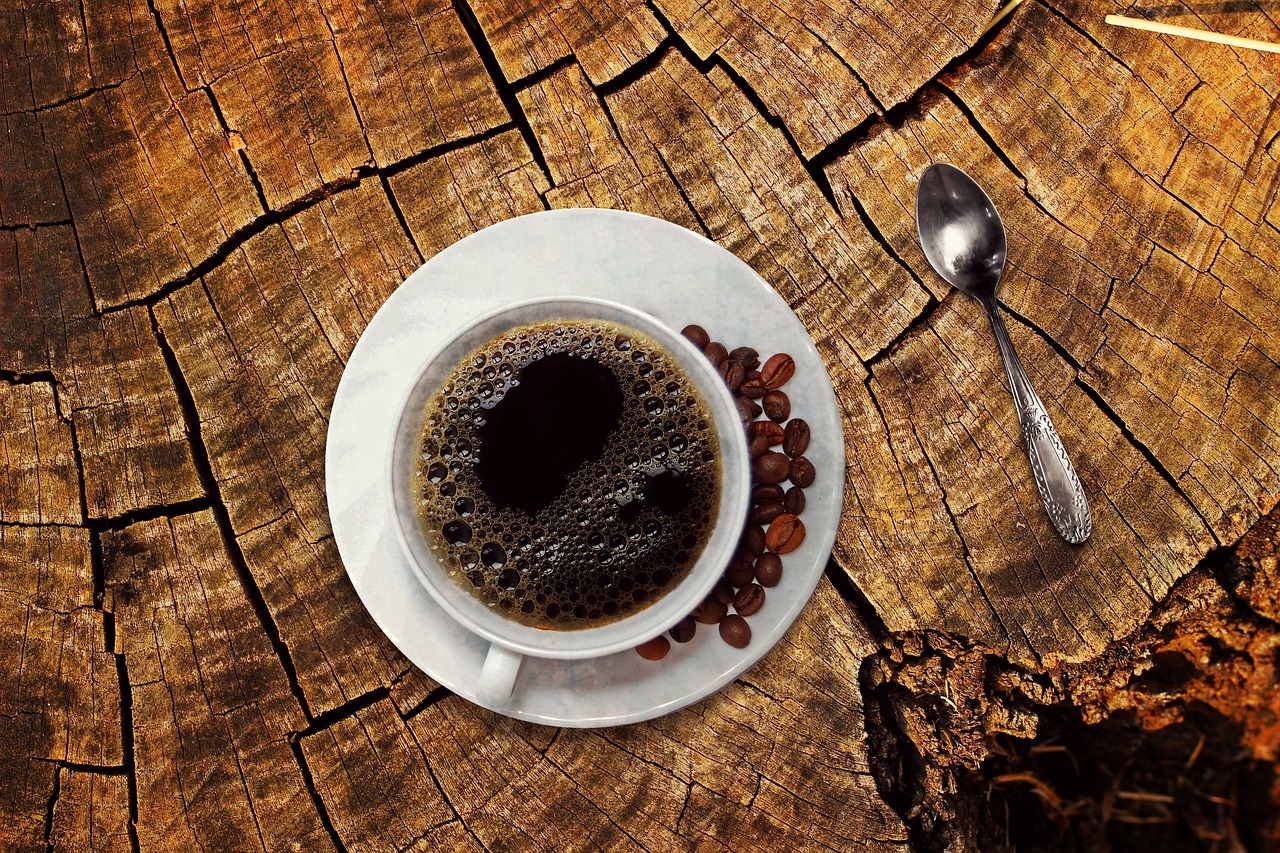
Every morning, a steaming mug kicks off the routine for countless people. Yet what many overlook is its role in staying lean. That so-called hack? It skips shortcuts, focuses on smart habits instead. A well-timed drink may rev up calorie burn, shift the body into using stored fat, and sometimes quiet hunger signals too. Still, using it wrong might mess up your sleep or ramp up tension. What follows unpacks research-rooted ways to shift your everyday cup from habit to help – aligning it with health aims while sidestepping usual downsides.
1. The Science of Coffee and How It Affects Metabolism
Coffee might help manage body weight because of how it interacts with your chemistry – its main active part being caffeine. This substance wakes up the brain and nerves when you drink it. Right after, chemicals such as norepinephrine and adrenaline flood out. Fat stores get the message and start splitting apart. What spills into the blood next are raw energy bits from fat, ready to burn; scientists call this shift lipolysis.
Even so, caffeine wakes up your metabolism – the pace at which your body uses calories while doing nothing much. Research shows it might push that rate higher by anywhere from 3 to 11 percent, especially when intake climbs. Because of this heat-raising shift, your system revs up just breaking down meals. Beyond that, coffee contains antioxidants like chlorogenic acid, possibly easing how fast carbs enter your bloodstream and lending a hand in keeping sugars steady – this quietly touches weight matters. Still, none of this acts alone; think of coffee as one piece fitting beside eating well and moving regularly.
2. The Best Way to Brew for Greater Results
Some coffees offer more health perks than others. For better results on the scale, how you make it matters just as much as what you drink. Nothing beats plain black coffee – low in calories, packed with natural substances that support metabolism. Once sweetness goes in, along with milky additives or syrupy flavors, the balance shifts fast – what helped now hinders. A light morning ritual can become heavy without notice.
Start strong by choosing ways to brew that keep good stuff intact. Cold water steeping gives a milder taste, just skip the added sugar. Paper-filtered kind strips out oily substances tied to higher bad cholesterol, so better for your heart each day. Espresso packs intensity, yet people drink tiny servings. Steer clear of sugary drinks hiding under names like mocha or blended ice treats. Flavor? Try a pinch of cinnamon, one drop of real vanilla, or a bit of thin nut milk without sweeteners. Let coffee wake things up instead of filling you with invisible junk.
3. When You Drink Matters for Fat Loss
Timing your coffee right makes it work better for burning fat and boosting activity. About half an hour to one hour before moving boosts results the most. When caffeine hits its highest level in your bloodstream, it pushes adrenaline up. This rise lifts physical output around 11 to 12 percent. Movement seems easier when this happens. Pushing through tough sessions becomes possible because of that ease. Fat turns into the main fuel your body reaches for at this point.
Late-day coffee? Not ideal. Even one cup past noon might stick around in your body half a day later. That leftover buzz often messes with rest, making it shallow or hard to catch. When sleep suffers, so do appetite signals – ghrelin creeps up, leptin dips down. Cravings show up stronger, energy burns quieter. Most days, skipping the afternoon pick-me-up after two helps avoid that spiral. Morning works well too, especially once you’ve eaten a steady breakfast – this helps keep cortisol from jumping too high when your stomach is empty while also using its ability to curb hunger later in the morning. Coffee should stay where it belongs, not swapped in for real food.
4. Stay Safe, Watch Out for Mistakes
One good thing about coffee? It can help. Yet downing too much throws everything off – think nervous energy, stomach trouble, fast heartbeat. When intake passes four hundred milligrams, roughly four regular cups, problems start piling up. That spike in caffeine pushes stress chemicals such as cortisol into overdrive, possibly adding extra pounds around the middle. Even if other effects fade, poor sleep stays a serious issue, messing with how the body burns fuel.
Watch out for building up too much tolerance – it weakens how your body burns energy, nudging you toward extra cups. Try stepping away from caffeine now and then to hit restart. Remember this: coffee pulls fluid from your system, so match each cup with plenty of water. Some people, especially those managing heart issues, anxiety, or pregnancy, need medical advice before drinking it. Using coffee to support weight goals isn’t permission to overdo it – think careful amounts, woven into overall good habits.
FAQ Section
Q1: How many cups of coffee per day are optimal for weight loss?
One to three cups of black coffee daily suits many healthy grown-ups. That amount adds up to about 400 milligrams of caffeine, staying within limits experts often see as harmless. With this much energy and alertness might get a boost. Yet going beyond could bring restlessness instead. Benefits show up clearly when intake stays steady but light.
Q2: Can I add anything to my coffee without ruining its benefits?
Right. Try using cinnamon or cocoa – just a pinch – to lift the flavor without adding calories. A dash of vanilla or almond extract works too, if you want something subtle. Unsweetened plant milks such as almond or oat can blend in smoothly when poured lightly. Sugar is best left out, along with syrupy mixes that carry extra sweetness. Whipped toppings also add unwanted weight, so skip those.
Q3: Is it better to drink coffee before or after a meal for weight loss?
A cup of coffee might shift how your body handles food. Some find sipping it prior to eating changes their appetite. Timing could matter, yet results differ from person to person. Digestion may respond differently depending on when you drink it. Morning routines often include caffeine, but placement around meals varies. Your own experience may guide what works best. Body signals tend to reveal more than general advice ever does.
Q4: Does decaf coffee offer any weight loss benefits?
Some antioxidants show up in decaf – chlorogenic acid is one – but without caffeine, that extra metabolic kick disappears. Hydration stays possible since it has no calories, which helps if caffeine bothers you. Weight loss itself? That does not get switched on here.
Summary and Final Thoughts
Sometimes it works fine right away in the morning, though many find they feel steadier when sipping it after eating something light. Upset digestion might happen if swallowed with nothing in the gut, mainly at daybreak, because that is when body stress chemicals rise more easily. A bite to eat beforehand tends to soften those reactions for most people who notice them. After food, its influence on hunger signals seems more balanced, almost like it settles into a rhythm with digestion instead of rushing ahead.