
Introduction
Chandra Bhedana Pranayama is a traditional yogic breathing technique known for its calming, cooling, and balancing effects on the mind and body. Rooted in ancient yogic philosophy, this pranayama focuses on activating the lunar energy channel, which promotes relaxation, emotional stability, and mental clarity.
In modern wellness practices, Chandra Bhedana Pranayama is gaining popularity as a natural stress-relief method. With rising anxiety levels and lifestyle-related health concerns, this breathing practice offers a simple yet powerful way to restore inner calm and physical balance. Understanding its meaning, benefits, steps, and precautions can help practitioners incorporate it safely into their daily wellness routine.
What Is Chandra Bhedana Pranayama?
Chandra Bhedana Pranayama is a Sanskrit term where:
- Chandra means “moon”
- Bhedana means “piercing” or “passing through”
- Pranayama means “breath control” or expansion of life force energy
This yogic breathing technique involves inhaling through the left nostril and exhaling through the right nostril. In yogic traditions, the left nostril is associated with the Ida Nadi, which represents cooling, calming, and feminine lunar energy. Activating this energy helps slow down the nervous system and promotes relaxation.
Chandra Bhedana is often practiced to counter excessive heat, anger, anxiety, or restlessness. It is considered the opposite of Surya Bhedana Pranayama, which stimulates solar energy and increases alertness.
How Chandra Bhedana Pranayama Works
According to yogic philosophy, the human body contains subtle energy pathways called nadis. Among them, Ida Nadi governs mental calmness, emotional sensitivity, and cooling bodily functions.
When practitioners inhale through the left nostril during Chandra Bhedana Pranayama, they stimulate this calming channel. The controlled breathing pattern helps regulate the autonomic nervous system, shifting the body from a stress response toward relaxation.
Modern wellness interpretations suggest that slow, rhythmic breathing can:
- Reduce heart rate
- Lower stress hormone levels
- Improve oxygen circulation
- Enhance mental clarity
These physiological responses contribute to the overall soothing effect of this pranayama practice.
Step-by-Step Guide to Practice Chandra Bhedana Pranayama
Practicing Chandra Bhedana Pranayama requires focus, patience, and a calm environment. Beginners should perform it slowly and mindfully.
Step 1: Choose a Comfortable Position
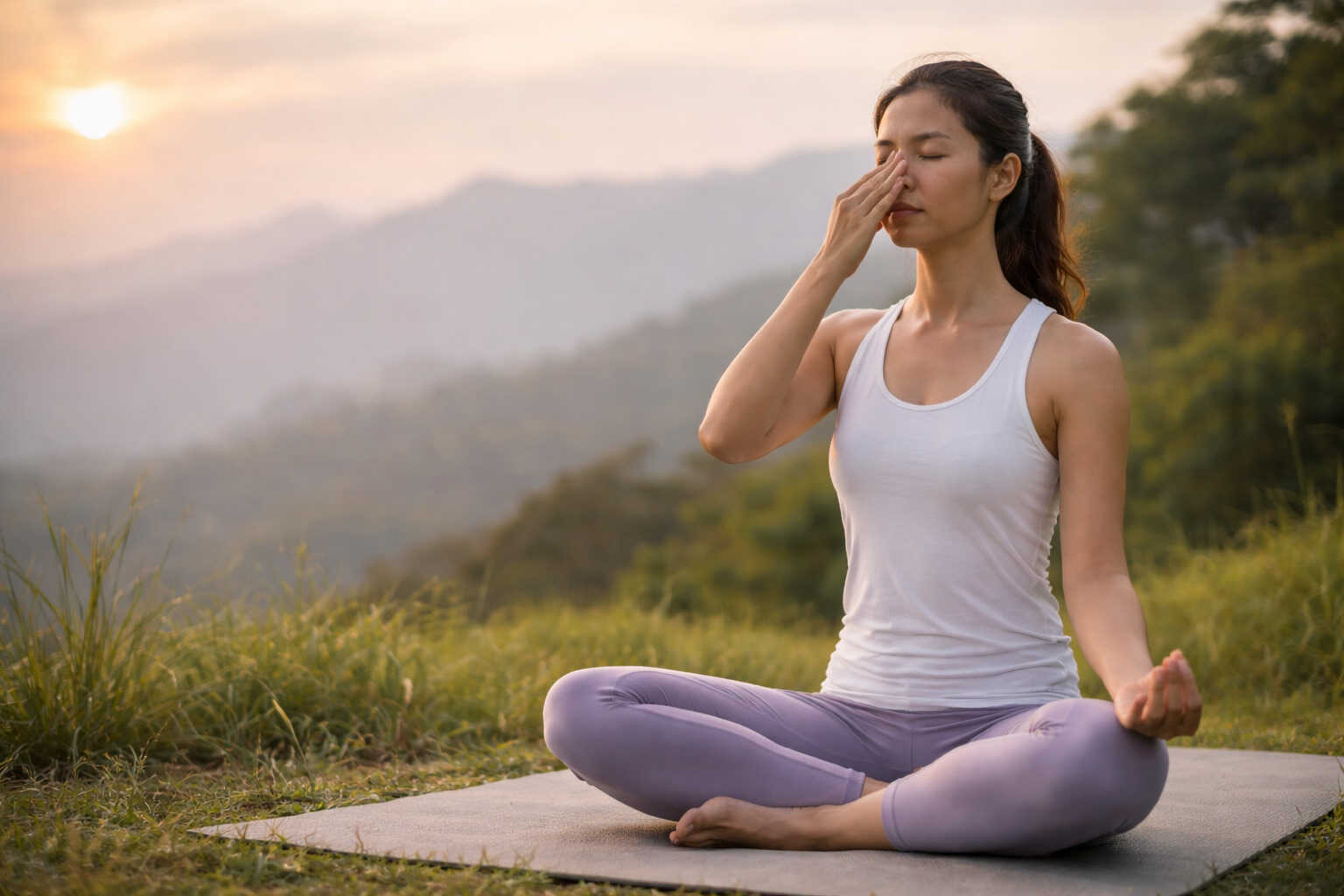
Sit in a meditative posture such as Sukhasana, Padmasana, or Vajrasana. Keep your spine straight and shoulders relaxed. Close your eyes and allow your body to settle.
Step 2: Hand Position (Nasika Mudra)
Use your right hand to control nostril breathing. Fold your index and middle fingers inward while keeping your thumb and ring finger free.
Step 3: Close the Right Nostril
Gently press your right nostril with your thumb.
Step 4: Inhale Through the Left Nostril
Take a slow, deep, and steady breath through the left nostril. Focus on calmness entering your body.
Step 5: Close the Left Nostril
Use your ring finger to close the left nostril after inhalation.
Step 6: Exhale Through the Right Nostril
Release the thumb from the right nostril and slowly exhale.
Step 7: Repeat the Cycle
Continue this breathing cycle for 5–10 minutes, maintaining smooth and controlled breaths.
Top Benefits of Chandra Bhedana Pranayama
1. Reduces Stress and Anxiety
One of the primary benefits of Chandra Bhedana Pranayama is its calming effect on the mind. By activating the parasympathetic nervous system, it helps reduce anxiety, restlessness, and emotional tension.
2. Helps Cool the Body
This pranayama is traditionally known for lowering body heat. It can be beneficial during hot weather or after intense physical activity.
3. Improves Mental Clarity and Concentration
Controlled breathing enhances oxygen flow to the brain, improving focus and mental stability. Regular practice can help individuals manage mental fatigue and improve productivity.
4. Supports Emotional Balance
Chandra Bhedana promotes inner peace by balancing emotional fluctuations. It can be particularly helpful for individuals experiencing irritability or mood swings.
5. Encourages Better Sleep
Because of its soothing effect on the nervous system, this breathing technique can help improve sleep quality when practiced before bedtime.
6. Supports Cardiovascular Relaxation
Slow breathing patterns can help regulate heart rate and support healthy blood circulation.
Best Time to Practice Chandra Bhedana Pranayama
Chandra Bhedana Pranayama is most effective when practiced during times when the body naturally seeks calmness and cooling energy.
Recommended Practice Times
- Evening meditation sessions
- Before bedtime for relaxation
- During stressful or emotionally overwhelming moments
- After intense physical exercise
Practicing in a quiet, well-ventilated space enhances concentration and effectiveness.
Precautions and Safety Guidelines
Although Chandra Bhedana Pranayama is generally safe, certain individuals should practice it with caution.
Who Should Avoid or Modify Practice
- People with chronic low blood pressure
- Individuals suffering from respiratory infections
- Those with severe asthma or breathing difficulties
- Pregnant individuals should consult healthcare professionals
General Safety Tips
- Practice on an empty or light stomach
- Avoid forcing or holding the breath excessively
- Stop immediately if dizziness or discomfort occurs
- Learn under guidance if you are a beginner
Scientific and Wellness Perspectives on Cooling Breath Techniques
Modern breathing research highlights the importance of slow nasal breathing in regulating the nervous system. Techniques similar to Chandra Bhedana have been linked to improved emotional regulation, reduced stress responses, and enhanced relaxation.
Yoga therapists and wellness practitioners often recommend left-nostril breathing exercises to balance sympathetic nervous system overactivity, which is commonly triggered by modern lifestyle stressors.
How to Include Chandra Bhedana Pranayama in Your Wellness Routine
To experience maximum benefits, consistency is key. Beginners can start with 5 minutes daily and gradually increase practice duration.
Simple Daily Routine
- Begin with gentle stretching or yoga poses
- Practice Chandra Bhedana Pranayama
- Follow with meditation or mindfulness exercises
This combination supports emotional stability and mental clarity throughout the day.
Why Chandra Bhedana Pranayama Is Relevant in Modern Life
With increasing stress, sleep disorders, and mental health concerns, natural breathing techniques are becoming essential wellness tools. Chandra Bhedana offers a holistic approach to relaxation that requires no equipment and can be practiced anywhere.
It aligns with modern mindfulness practices while maintaining its ancient yogic roots, making it suitable for both beginners and advanced yoga practitioners.
Conclusion
Chandra Bhedana Pranayama is a powerful yet gentle yogic breathing technique that promotes calmness, emotional stability, and mental clarity. By activating the body’s cooling and relaxing energy through left-nostril breathing, this practice helps reduce stress, balance emotions, and support overall well-being. Its simplicity makes it suitable for beginners, while its deep calming effects make it valuable for experienced yoga practitioners as well.
When practiced regularly with proper posture, slow breathing, and focused awareness, this pranayama can enhance relaxation, improve concentration, and support emotional healing. Over time, it becomes not just a breathing exercise but a meaningful tool for achieving mental peace and holistic wellness.