
Introduction
Running is one of the most effective forms of cardiovascular exercise, but it also places significant stress on the muscles, joints, and connective tissues of the body. Tight hamstrings, sore calves, hip stiffness, and lower back discomfort are common challenges runners face, especially after long runs or intense training sessions.
This is where yoga becomes an incredibly valuable practice for runners. Incorporating yoga into a running routine helps improve flexibility, reduce muscle tension, speed up recovery, and prevent injuries. Many athletes and trainers now recommend yoga as an essential component of recovery and mobility training.
Yoga for runners focuses on lengthening tight muscles, improving balance, increasing range of motion, and restoring the body after repetitive impact movements.
In this guide, we will explore the 10 best yoga poses for runners, how they help recovery, and how to include them in your routine.
Why Yoga Is Important for Runners
Before diving into the poses, it’s helpful to understand why yoga is so beneficial for runners.
- Improves Flexibility: Running often causes tightness in the hips, hamstrings, calves, and quadriceps. Yoga stretches these areas and improves mobility.
- Speeds Up Muscle Recovery: Yoga increases blood circulation, which helps deliver oxygen and nutrients to muscles that need repair after running.
- Reduces Risk of Injury: Tight muscles can lead to strains and overuse injuries. Yoga helps balance the body and prevent these problems.
- Improves Running Form: Stronger core muscles and better posture help runners maintain proper form and efficiency.
- Enhances Mental Focus: Yoga also supports breathing control and mental endurance, which can improve running performance.
The 10 Best Yoga Poses for Runners
These poses are particularly effective for runners recovering after a workout or preparing their muscles for training.
1. Downward Facing Dog
This pose stretches several key muscle groups used during running, including the calves, hamstrings, and Achilles tendons.
Benefits for runners:
- Relieves calf tightness
- Improves hamstring flexibility
- Reduces stiffness after running
It also strengthens the shoulders and improves overall body alignment.
2. Low Lunge
Runners often develop tight hip flexors due to repetitive forward movement. The low lunge helps open up the hips and improve stride efficiency.
Benefits:
- Releases tight hip flexors
- Improves hip mobility
- Supports better running posture
This pose is especially useful after long-distance runs.
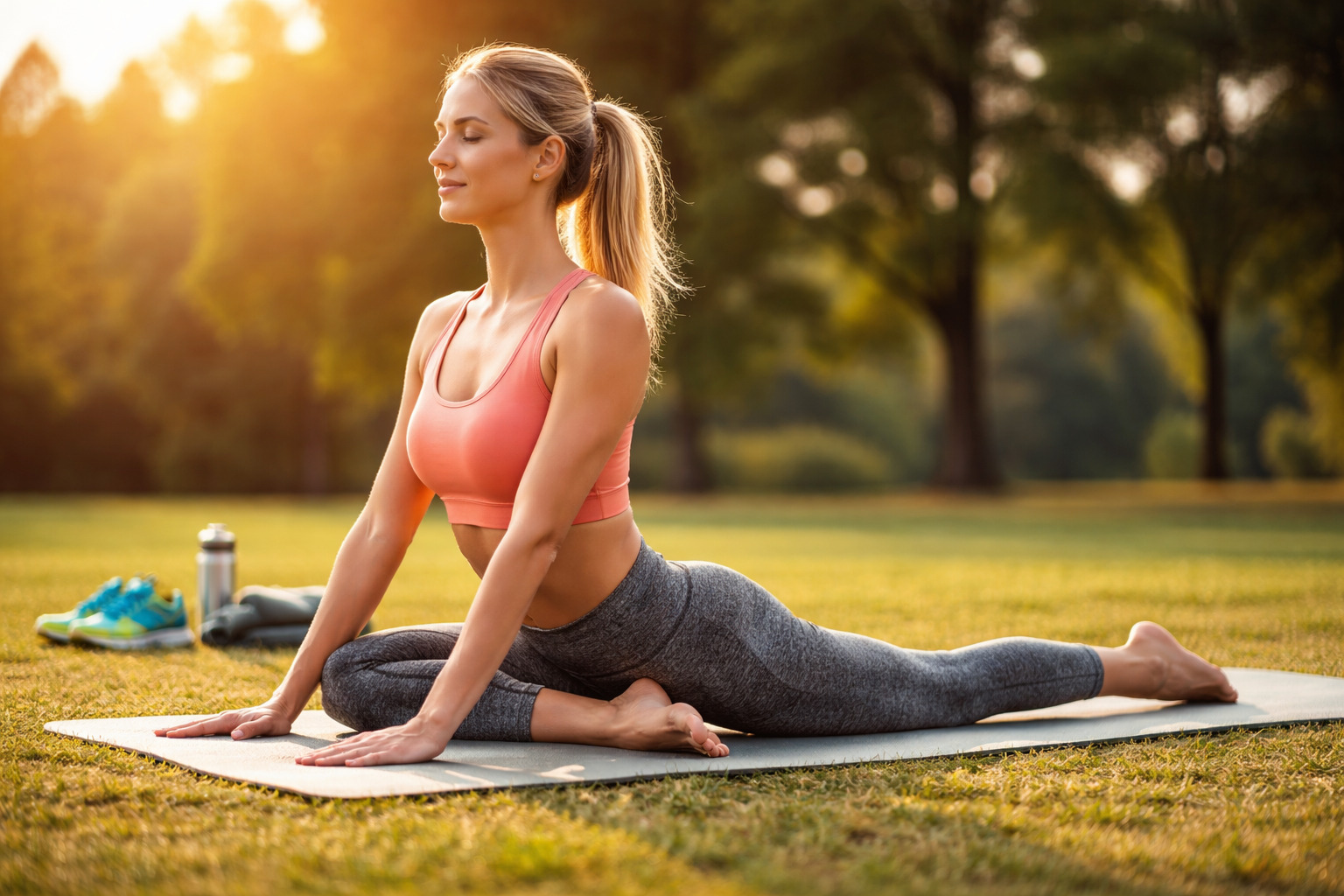
3. Pigeon Pose
Pigeon pose is widely known for deep hip stretching, making it one of the most beneficial yoga poses for runners.
Benefits:
- Relieves hip tightness
- Reduces lower back tension
- Improves flexibility in glutes and hips
It also helps prevent common running injuries like IT band syndrome.
4. Standing Forward Fold
This pose stretches the hamstrings, calves, and lower back muscles that often become tight after running.
Benefits:
- Improves hamstring flexibility
- Relieves spinal tension
- Enhances circulation to muscles
It is particularly effective during cooldown sessions.
5. Reclined Figure Four Pose
This pose targets the glutes and hips, which play a major role in running stability.
Benefits:
- Reduces hip stiffness
- Improves glute mobility
- Helps relieve lower back discomfort
It is a gentle stretch suitable for recovery days.
6. Lizard Pose
Lizard pose is a deeper hip opener that improves flexibility and range of motion.
Benefits:
- Improves hip flexibility
- Stretches hamstrings
- Enhances mobility for longer strides
This pose is excellent for runners experiencing hip tightness.
7. Child’s Pose
Child’s pose is a restorative posture that allows the body to relax and recover after intense activity.
Benefits:
- Relaxes the lower back
- Reduces muscle fatigue
- Encourages deep breathing
It is often used at the end of yoga sessions.
8. Bridge Pose
Bridge pose strengthens the glutes, core, and lower back muscles — areas that support running stability.
Benefits:
- Strengthens posterior chain muscles
- Improves pelvic stability
- Supports better running posture
This pose is particularly useful for preventing injuries.
9. Seated Hamstring Stretch
Tight hamstrings are one of the most common issues for runners.
Benefits:
- Improves hamstring flexibility
- Reduces risk of strain
- Improves stride length
Regular practice can significantly improve running comfort.
10. Legs Up the Wall
This pose is extremely effective for recovery after long runs or races.
Benefits:
- Reduces muscle fatigue
- Improves blood circulation
- Helps reduce swelling in the legs
Many runners use this pose after intense training sessions.
When Should Runners Practice Yoga?
Timing your yoga sessions can improve their effectiveness.
- After Running (Best for Recovery): Post-run yoga helps release tight muscles and reduce soreness.
- On Rest Days: Yoga can be used as active recovery to maintain flexibility without stressing the body.
- Before Running: Gentle yoga and dynamic stretches can prepare muscles for movement.
However, deep stretching is usually better after running rather than before.
How Yoga Helps Prevent Common Running Injuries
Runners frequently experience injuries caused by muscle imbalances and tightness.
Yoga can help prevent:
- Runner’s knee
- IT band syndrome
- Hamstring strains
- Hip tightness
- Lower back pain
- Shin splints
By improving flexibility and strengthening stabilizing muscles, yoga helps runners maintain a healthier training routine.
Creating a Simple Yoga Routine for Runners
A simple yoga routine can take just 15–20 minutes and still provide strong benefits.
Example routine:
- Downward Facing Dog
- Low Lunge
- Pigeon Pose
- Standing Forward Fold
- Lizard Pose
- Bridge Pose
- Child’s Pose
- Legs Up the Wall
Hold each pose for 30–60 seconds and focus on deep breathing.
This routine helps improve flexibility and recovery.
How Often Should Runners Practice Yoga?
For the best results, runners should practice yoga:
- 2–4 times per week for recovery
- Short sessions after long runs
- Light stretching on rest days
Even practicing once or twice a week can significantly improve mobility and reduce injury risk.
The Long-Term Benefits of Yoga for Runners
Over time, runners who incorporate yoga into their training often experience:
- Improved running efficiency
- Fewer injuries
- Better flexibility
- Faster recovery
- Greater endurance
- Improved posture and breathing
Yoga also improves body awareness, which helps runners notice early signs of strain or imbalance before they turn into injuries.
Conclusion
Running and yoga complement each other perfectly. While running builds endurance and cardiovascular strength, yoga improves flexibility, recovery, and injury prevention.
By incorporating the right yoga poses into a regular training routine, runners can keep their bodies balanced, reduce muscle tension, and improve overall performance.
Over time, yoga not only helps runners recover faster but also supports a stronger, healthier, and more sustainable running journey.