
Introduction
Modern life places constant demands on the body and nervous system. Long hours of sitting, emotional stress, repetitive movements, and unresolved tension can leave the body feeling tight, fatigued, or disconnected. While many forms of exercise focus on strength or flexibility, somatic yoga offers something different—a way to reeducate the body from within.
Somatic yoga is a slow, mindful movement practice designed to improve body awareness, release chronic muscle tension, and restore natural movement patterns. Rather than pushing the body into poses, somatic yoga emphasizes sensing, feeling, and gently retraining the nervous system.
This approach makes somatic yoga especially effective for people dealing with chronic pain, stress, trauma, or movement limitations. It is less about performance and more about awareness, healing, and self-connection.
What Is Somatic Yoga?
Somatic yoga is based on the principles of somatics, a field that studies how the body is experienced internally. The word “somatic” comes from the Greek word “soma,” meaning “the living body as perceived from within.”
Unlike traditional yoga styles that emphasize posture alignment or flexibility, somatic yoga focuses on:
- Slow, conscious movement
- Internal sensation and awareness
- Releasing muscular tension through gentle repetition
- Retraining the brain–body connection
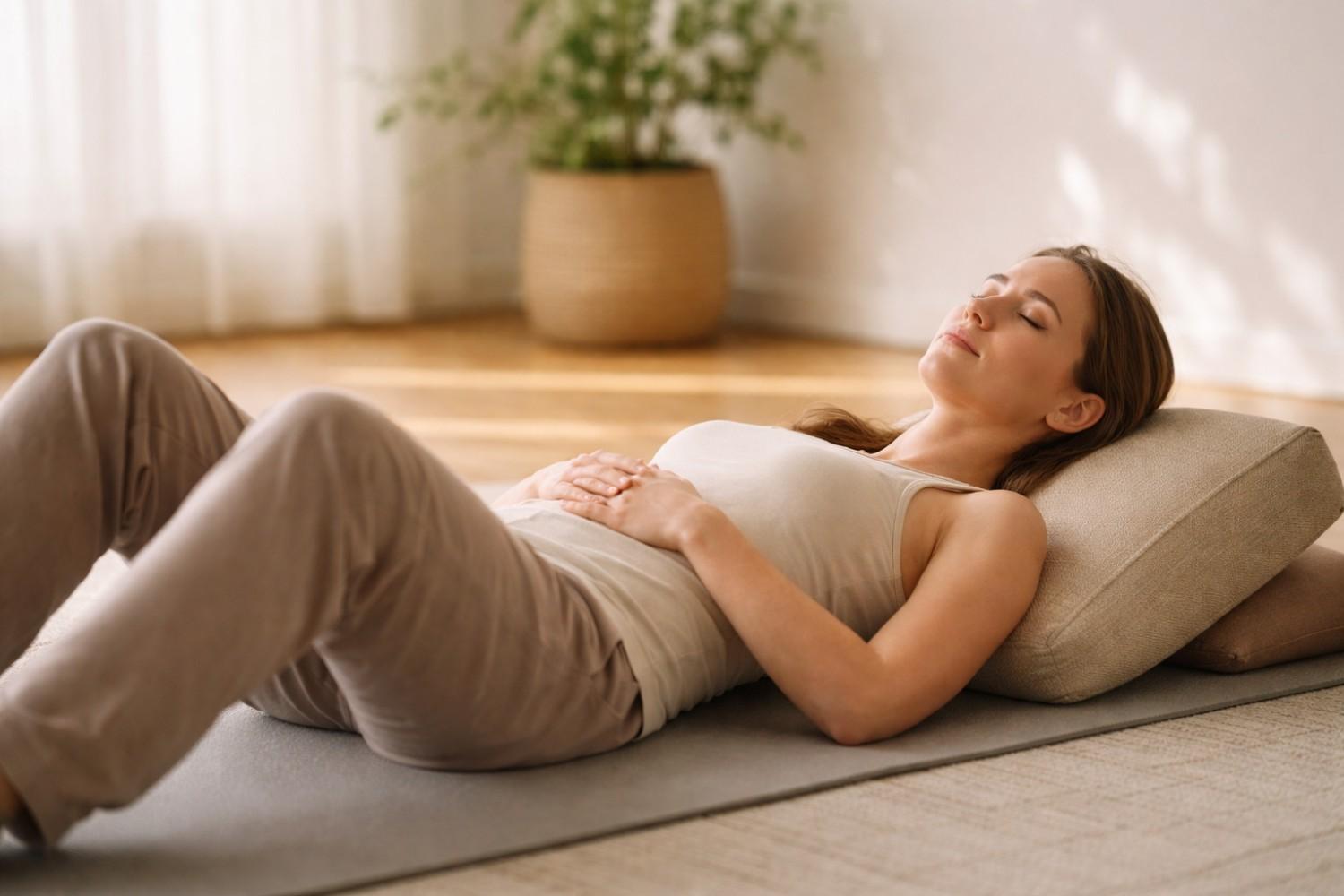
Movements are often subtle and done lying down or seated, making the practice accessible to people of all ages and physical abilities. This gentle, inclusive approach also makes somatic yoga an ideal choice for New Year yoga classes, where the focus is on mindful beginnings, self-awareness, and setting sustainable intentions for the year ahead.
How Somatic Yoga Works
Somatic yoga works by addressing a phenomenon known as sensory-motor amnesia—a condition in which the brain forgets how to fully relax certain muscles due to chronic stress or injury.
When muscles remain contracted for long periods:
- Movement becomes restricted
- Pain and stiffness develop
- Posture becomes imbalanced
- The nervous system stays in a heightened state
Somatic yoga uses slow, intentional movements to reawaken the brain’s ability to sense and release these patterns. Instead of forcing muscles to stretch, the body is guided to let go naturally.
The Role of the Nervous System in Somatic Yoga
One of the most powerful aspects of somatic yoga is its effect on the nervous system.
Many people live in a constant state of “fight or flight,” where the body remains tense even at rest. Somatic yoga gently activates the parasympathetic nervous system—the body’s natural relaxation response.
This leads to:
- Lower stress levels
- Improved sleep
- Reduced anxiety
- Greater emotional regulation
By calming the nervous system, somatic yoga helps create lasting change rather than temporary relief.
Key Benefits of Somatic Yoga
1. Reduces Chronic Pain
Somatic yoga is especially helpful for people experiencing chronic pain in the back, neck, shoulders, or hips. By retraining movement patterns, the body learns to move more efficiently and with less strain.
2. Improves Body Awareness
Through slow, mindful motion, practitioners become more aware of habitual tension and posture. This awareness allows for conscious correction throughout daily life.
3. Supports Stress Relief
The gentle pace of somatic yoga naturally slows breathing and calms the mind, helping reduce emotional and physical stress.
4. Enhances Mobility and Flexibility
Rather than forcing stretches, somatic yoga restores mobility by releasing muscle guarding, allowing natural flexibility to return.
5. Encourages Mind–Body Connection
Somatic yoga helps people reconnect with their bodies in a safe, non-judgmental way, which is especially beneficial for those recovering from trauma or injury.
Somatic Yoga vs Traditional Yoga
Although both practices share roots in mindful movement, they differ in intention and execution.
Traditional Yoga
- Focuses on postures and alignment
- Often includes flowing sequences
- May involve holding poses
- Emphasizes flexibility and strength
Somatic Yoga
- Focuses on sensory awareness
- Uses slow, gentle movements
- Avoids strain or forcing
- Emphasizes nervous system retraining
Somatic yoga is not about achieving a pose—it is about experiencing movement from the inside out.
Who Can Benefit From Somatic Yoga?
Somatic yoga is suitable for a wide range of individuals, including:
- People with chronic pain or stiffness
- Those recovering from injury
- Individuals with high stress or anxiety
- Older adults seeking gentle movement
- People with limited mobility
- Anyone looking for a slower, more mindful practice
Because it is adaptable and non-invasive, somatic yoga is often recommended in therapeutic settings.
Somatic Yoga and Trauma Recovery
One of the most profound benefits of somatic yoga is its role in trauma recovery. Trauma is often stored in the body, not just the mind. Traditional exercise may inadvertently trigger stress responses, while somatic yoga offers a safer alternative.
Through slow movement and internal awareness, practitioners can:
- Rebuild trust in their bodies
- Reduce hypervigilance
- Improve emotional regulation
- Restore a sense of safety
This makes somatic yoga a valuable complement to trauma-informed therapy.
What a Somatic Yoga Session Looks Like
A typical somatic yoga session may include:
- Grounding and awareness – noticing breath and body sensations
- Gentle movements – slow, controlled motions
- Rest periods – allowing the nervous system to integrate changes
- Reflection – observing how the body feels afterward
Sessions often last 30–60 minutes and are usually practiced without music or external stimulation to enhance internal awareness.
Breathing in Somatic Yoga
Breath plays a subtle but important role in somatic yoga. Rather than controlling the breath, practitioners are encouraged to observe it naturally.
Over time, breathing becomes:
- Slower
- Deeper
- More rhythmic
This shift supports relaxation and helps regulate the nervous system.
Practicing Somatic Yoga at Home
Somatic yoga can easily be practiced at home with minimal space and no equipment.
Tips for home practice:
- Choose a quiet, comfortable environment
- Move slowly and without force
- Focus on sensation rather than appearance
- Rest whenever needed
Even 10–15 minutes per day can lead to noticeable improvements.
Common Misconceptions About Somatic Yoga
“It’s too easy to be effective.”
In reality, its effectiveness lies in subtlety. Small movements can produce profound changes.
“It’s only for people with injuries.”
While helpful for recovery, somatic yoga benefits anyone seeking better movement and awareness.
“It’s the same as stretching.”
Somatic yoga works neurologically, not just physically. The goal is retraining, not stretching.
Long-Term Benefits of Regular Practice
With consistent practice, somatic yoga can:
- Reduce chronic tension
- Improve posture
- Enhance emotional balance
- Increase ease of movement
- Support long-term wellness
These benefits often accumulate gradually, making somatic yoga a sustainable lifelong practice.
Integrating Somatic Yoga Into Daily Life
Somatic principles extend beyond formal practice. Simple habits like noticing posture, releasing tension, or slowing movements throughout the day reinforce the benefits.
Examples include:
- Relaxing shoulders while sitting
- Moving mindfully when standing up
- Pausing to notice breath during stress
This integration helps transform everyday life into a more embodied experience.
Conclusion
Somatic yoga reminds us that healing does not require force. By slowing down and listening to the body, we can release long-held tension, restore natural movement, and reconnect with ourselves on a deeper level.
In a world that often prioritizes speed and productivity, somatic yoga offers a powerful alternative—one rooted in awareness, compassion, and lasting change.