
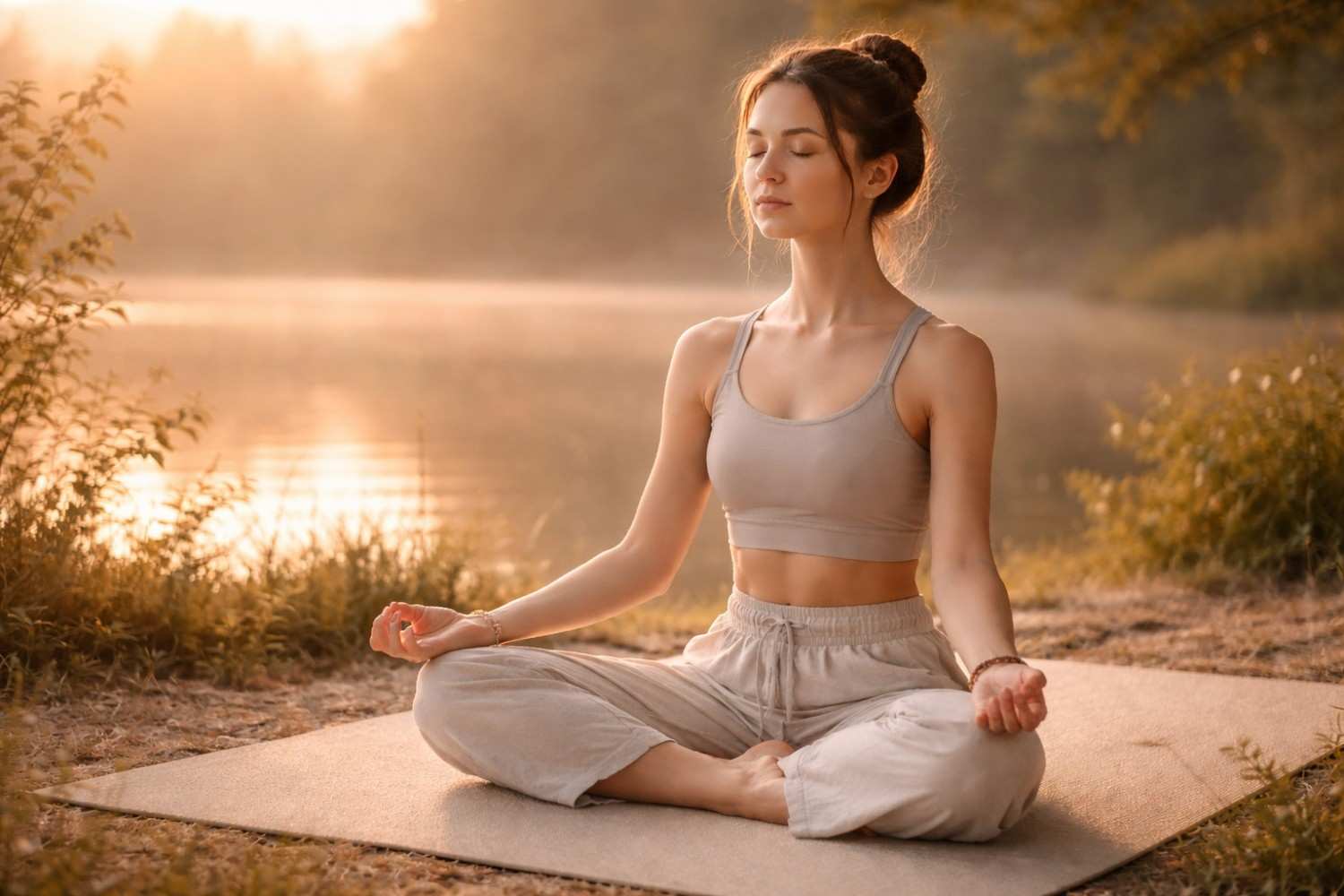
Self-realization is one of the most profound concepts in yoga philosophy. While modern yoga is often associated with physical postures and flexibility, its deeper purpose lies in self-discovery and inner awakening. Self-realization refers to understanding who you truly are beyond the body, thoughts, and external identity.
In yoga, self-realization is not about acquiring something new—it is about remembering your true nature. It is the process of recognizing the deeper self that exists beneath the ego, roles, and conditioning shaped by life experiences.
This journey toward self-realization is gradual, personal, and transformative. Through mindful practice, ethical living, and inner awareness, yoga offers a clear path toward self-knowledge and lasting peace.
The Meaning of Self-Realization in Yoga Philosophy
The concept of self-realization comes from ancient yogic and Vedantic traditions and is closely supported by practices such as Pranayama, which help quiet the mind and regulate life energy. It refers to the realization of the Atman, or true self, which is believed to be eternal, pure, and unchanging.
In yogic philosophy:
- The body is temporary
- The mind is ever-changing
- The true self is constant and aware
Self-realization occurs when one experiences this truth directly rather than intellectually.
It is not an achievement or destination but a state of awareness that unfolds through conscious living and practice.
The Role of Yoga in Self-Realization
Yoga is a system designed to guide practitioners toward self-realization by harmonizing body, breath, and mind. Each aspect of yoga plays a role in this inner journey.
- Asana (Postures): Help purify and strengthen the body, making it a stable vessel for higher awareness.
- Pranayama (Breath Control): Regulates life energy and calms mental fluctuations.
- Meditation: Develops inner stillness and self-observation.
- Ethical Practices (Yamas & Niyamas): Encourage self-discipline, compassion, and conscious living.
Together, these practices create the conditions necessary for self-realization.
Why Self-Realization Matters
Self-realization brings clarity, purpose, and freedom from unnecessary suffering. When individuals understand their true nature, they become less affected by fear, comparison, and external validation.
Some key benefits include:
- Inner peace and contentment
- Emotional stability
- Greater self-acceptance
- Freedom from limiting beliefs
- A deeper sense of purpose
Rather than seeking happiness externally, self-realization teaches that fulfillment comes from within.
The Ego and the True Self
A central theme in yoga philosophy is the distinction between the ego and the true self.
The ego is:
- Shaped by experiences
- Attached to identity and roles
- Driven by desire and fear
The true self is:
- Observant and aware
- Unaffected by external events
- Peaceful and complete
Yoga helps dissolve ego-based identification, allowing the practitioner to experience life with clarity and compassion.
Stages of Self-Realization in Yoga
Self-realization is not instant. It unfolds gradually through awareness and practice.
- Self-Observation: The journey begins with noticing thoughts, emotions, and behaviors without judgment.
- Self-Inquiry: Practitioners begin questioning their identity and beliefs: “Who am I beyond my thoughts?”
- Inner Discipline: Regular yoga, meditation, and ethical living cultivate mental stability.
- Detachment: Attachment to outcomes, ego, and material identity weakens.
- Inner Awakening: Moments of clarity arise where one experiences unity, peace, and deep awareness.
Self-Realization and Meditation
Meditation is one of the most powerful tools for self-realization. By quieting the mind, meditation reveals the silent awareness beneath thoughts.
With consistent practice:
- Mental noise decreases
- Awareness deepens
- Emotional reactions soften
- Insight becomes clearer
Meditation allows practitioners to experience the self directly, rather than through concepts or beliefs.
The Role of Breath in Self-Realization
Breath acts as a bridge between the body and mind. Conscious breathing practices help regulate energy and bring awareness inward.
Pranayama supports self-realization by:
- Calming the nervous system
- Increasing mental clarity
- Enhancing focus
- Supporting meditation
When breath becomes steady, the mind naturally becomes still.
Self-Realization and Daily Life
Self-realization is not meant to be confined to meditation or yoga practice. It is reflected in daily actions, relationships, and decisions.
Signs of growing self-realization include:
- Responding calmly to challenges
- Reduced attachment to outcomes
- Greater compassion for others
- Living with intention
- Increased emotional balance
Yoga teaches that spiritual growth happens in everyday moments, not just on the mat.
Common Misconceptions About Self-Realization
“Self-realization means renouncing the world.”
False. True self-realization allows one to live fully and consciously in the world.
“It happens suddenly.”
While moments of insight may occur, self-realization is usually gradual.
“It requires isolation.”
Many people achieve self-realization while living normal lives.
“It is only for spiritual seekers.”
Anyone practicing awareness and self-reflection can experience self-realization.
How Yoga Supports the Path to Self-Realization
Yoga provides practical tools that support inner growth:
- Physical discipline through postures
- Mental clarity through breathwork
- Emotional balance through mindfulness
- Ethical living through yogic principles
Together, these create a holistic path toward understanding the self.
Signs of Progress on the Path of Self-Realization
While experiences vary, common signs include:
- Increased inner peace
- Reduced reactivity
- Greater self-awareness
- Acceptance of change
- Deeper compassion
Progress is subtle but transformative over time.
The Role of Patience and Consistency
Self-realization cannot be rushed. It requires patience, sincerity, and consistency.
Yoga teaches that growth happens naturally when effort is balanced with surrender.
Even small daily practices create lasting change.
Conclusion
Self-realization is the heart of yoga. It is not about becoming someone new, but about remembering who you truly are.
Through mindful movement, conscious breathing, and self-inquiry, yoga gently removes the layers that obscure inner awareness. What remains is clarity, peace, and a deep sense of connection with life.
This journey is personal, lifelong, and deeply rewarding—one that transforms not only how we practice yoga, but how we live.