
Introduction
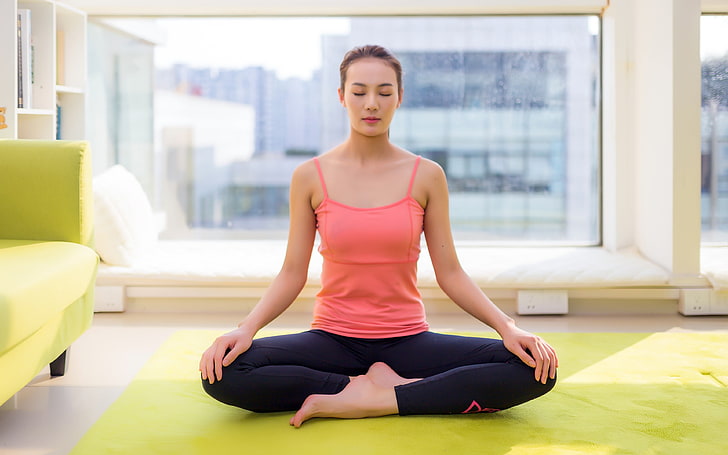
Meditation is often imagined as a quiet practice performed with closed eyes, complete stillness, and deep inward focus. While this image is common, it represents only one way to meditate. In reality, meditation can be practiced with eyes closed, partially open, or fully open—each approach offering distinct experiences and benefits.
For many practitioners, especially beginners, the question naturally arises: Should meditation be done with eyes open or closed? Understanding the differences between these approaches can help you choose the method that best supports your concentration, awareness, and comfort.
This guide explores meditating with eyes open or closed, explains the benefits of meditating with eyes open, and offers practical guidance to help you decide which approach suits your meditation goals and lifestyle.
Understanding the Purpose of Meditation
At its core, meditation is the practice of cultivating awareness. Whether the focus is breath, sensation, sound, or open presence, meditation trains the mind to stay attentive without judgment.
The position of the eyes plays a subtle but important role in shaping attention. Eyes closed meditation encourages inward awareness, while meditating with eyes open invites presence with the external world. Neither is inherently better—the value lies in how effectively the method supports awareness and stability.
In a similar way, bedtime yoga uses gentle movement, breath, and stillness to guide attention away from daily stimulation and toward relaxation, making it easier for the body and mind to settle into rest.
Meditating With Eyes Closed: A Traditional Approach
Meditating with eyes closed is the most widely practiced method, especially in guided meditations and relaxation-based practices.
Why Eyes Closed Meditation Is Popular
Closing the eyes reduces visual input, making it easier to turn attention inward. For many people, this creates a sense of safety, calm, and mental quiet.
Common benefits include:
- Fewer visual distractions
- Easier access to internal sensations
- Enhanced relaxation response
- Support for visualization practices
This approach is especially helpful for body scans, breath awareness, and meditations designed for stress relief or sleep preparation.
Challenges of Meditating With Eyes Closed
Despite its popularity, eyes-closed meditation can present challenges for some practitioners.
Possible difficulties include:
- Increased drowsiness or sleepiness
- Mental drifting or daydreaming
- Heightened anxiety in some individuals
- Difficulty staying present
For those who struggle with focus or alertness, exploring meditating with eyes open may offer a more grounding alternative.
Meditating With Eyes Open: An Often Overlooked Practice
Meditating with eyes open is a powerful and ancient practice used in many contemplative traditions. Instead of withdrawing from the environment, this approach integrates awareness with the external world.
When meditating with eyes open, practitioners maintain a soft, relaxed gaze—often directed toward the floor, a wall, or a neutral object. The eyes are not used to analyze or judge, but simply to receive visual information without attachment.
Benefits of Meditating With Eyes Open
The benefits of meditating with eyes open are especially relevant in modern, fast-paced environments where complete withdrawal is not always practical.
1. Improved Alertness and Focus
One of the key benefits of meditating with eyes open is increased wakefulness. Visual input helps prevent drowsiness, making this approach ideal for daytime meditation.
2. Easier Integration Into Daily Life
By practicing awareness while visually engaged, meditating with eyes open bridges the gap between formal meditation and everyday activities.
3. Reduced Anxiety for Some Practitioners
For individuals who feel uneasy closing their eyes, this method creates a sense of grounding and safety.
4. Enhanced Presence in the Moment
The benefits of meditating with eyes open include cultivating awareness that embraces both inner and outer experience simultaneously.
5. Strengthened Concentration Skills
Learning to stay present amid visual stimuli trains the mind to focus despite distractions—a valuable life skill.
When Meditating With Eyes Open May Be Ideal
Meditating with eyes open is particularly useful in certain situations:
- During short meditation breaks at work
- When feeling sleepy or unfocused
- In public or shared spaces
- When practicing mindfulness in daily activities
For these reasons, many practitioners discover that meditating with eyes open feels more practical and sustainable.
Comparing Eyes Open vs Eyes Closed Meditation
Rather than viewing these approaches as opposites, it’s helpful to see them as complementary tools.
Eyes Closed Meditation Supports:
- Deep relaxation
- Emotional processing
- Visualization and introspection
Meditating With Eyes Open Supports:
- Alertness and clarity
- Real-world mindfulness
- Balanced awareness
- Focus in stimulating environments
Understanding these distinctions allows you to choose the method that best supports your intention in any given moment.
How to Practice Meditating With Eyes Open
If you’re new to this approach, simplicity is key.
Step-by-Step Guidance
- Sit comfortably with an upright posture
- Let your gaze rest softly downward or on a neutral object
- Keep the eyes relaxed, not fixed or staring
- Bring attention to the breath or bodily sensations
- Allow visual input without engaging with it
The goal is not to block visual experience, confirming one of the main benefits of meditating with eyes open—learning to remain calm and present amid stimulation.
Common Mistakes to Avoid
When practicing meditation with eyes open, be mindful of these common pitfalls:
- Staring too intensely
- Letting the eyes wander excessively
- Engaging with thoughts about what you see
- Forcing concentration
Gentle awareness is more effective than effortful focus.
Combining Both Approaches in Your Practice
Many experienced meditators alternate between eyes-open and eyes-closed meditation depending on their needs.
For example:
- Begin with eyes open to build focus
- Close your eyes for deeper inward exploration
- End with eyes open to transition into daily activity
This balanced approach allows you to experience the full range of benefits meditation offers.
Meditating With Eyes Open in Daily Life
One of the unique benefits of meditating with eyes open is how naturally it extends into everyday moments.
You can practice mindful awareness:
- While walking
- During routine tasks
- While waiting in line
- While sitting outdoors
This transforms meditation from an isolated activity into a way of living.
Choosing What’s Right for You
There is no universally “correct” way to meditate. What matters most is consistency, comfort, and awareness.
If you feel calm and focused with eyes closed, that approach may suit you. If you feel more present and alert while meditating with eyes open, that practice may be more effective.
Experimentation is key. Over time, your preferences may change—and that’s a natural part of growth.
Conclusion
Meditation is not defined by the position of the eyes, but by the quality of attention you bring to the present moment. Both approaches offer valuable insights and benefits.
By understanding the benefits of meditating with eyes open and recognizing when to use each method, you gain flexibility and confidence in your practice. Whether inwardly focused or outwardly aware, meditation remains a powerful tool for clarity, calm, and connection.