
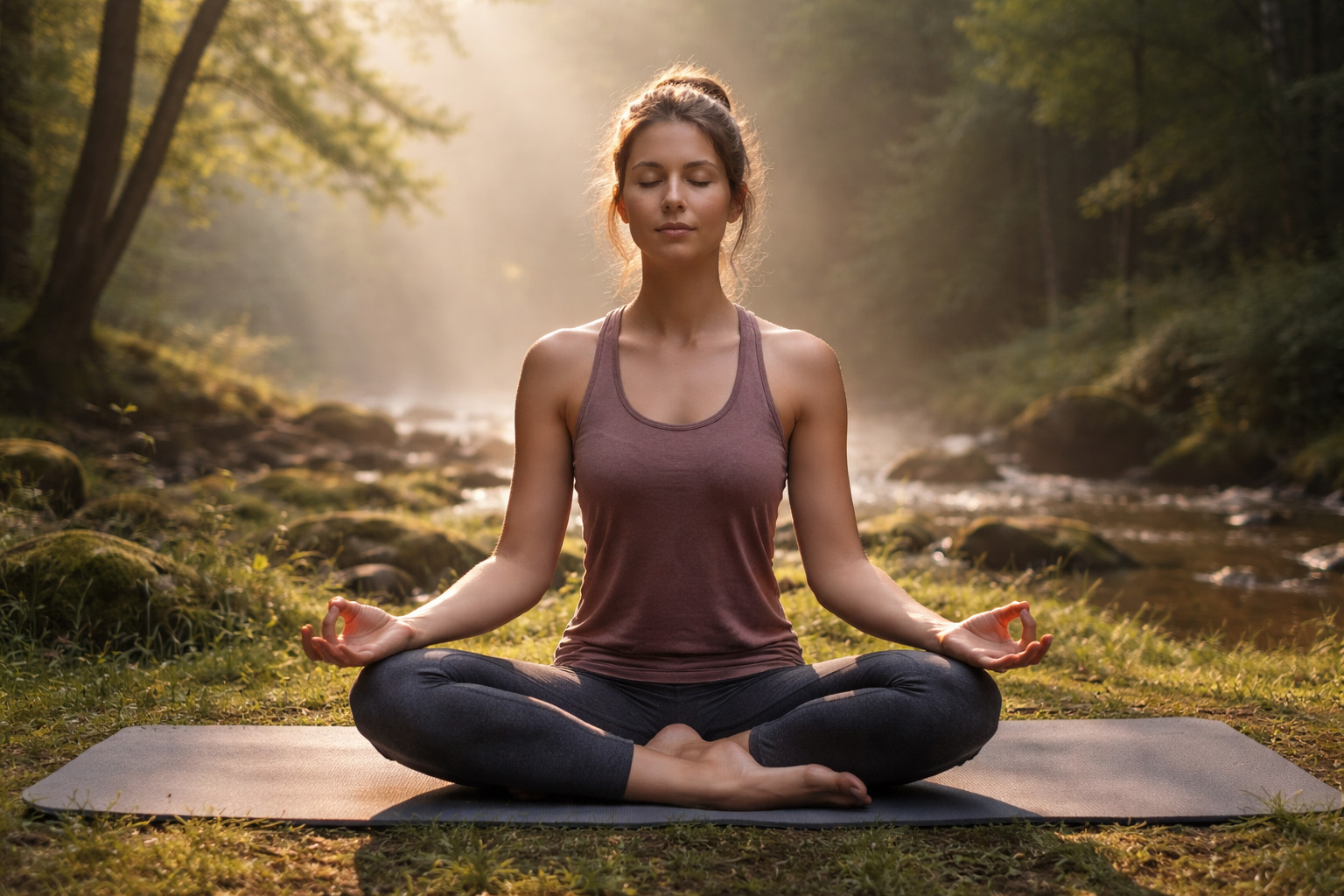
In today’s fast-paced world, many of us carry stress and anxiety deep within our nervous systems. While meditation, breathwork, and mindfulness are powerful tools, grounding yoga poses provide a physical way to stabilize your energy and foster emotional calm.
Whether you’re new to yoga or a seasoned practitioner, understanding how specific postures influence your body, mind, and nervous system can deepen your practice. In this comprehensive guide, we explore grounding yoga poses, their benefits, how they support stress relief and anxiety, and how they activate and balance the root chakra — the energetic foundation of stability and safety.
What Does “Grounding” Mean in Yoga?
“Grounding” in yoga refers to the process of connecting your body and mind to the present moment and the earth’s supportive energy. It helps anchor scattered thoughts and soothes the nervous system, which can lead to deep stress relief and emotional stability.
A grounded person feels:
- Stable and secure
- Calm and present
- Balanced in mind and body
- Less reactive to stress
The practice of grounding yoga poses literally and metaphorically brings attention down from the busy mind to the supportive strength of the body — especially the feet, legs, and core.
Why Grounding Yoga Poses Help with Stress Relief & Anxiety
Practicing grounding yoga poses for stress relief and grounding yoga poses for anxiety helps by:
1. Regulating the Nervous System
Slow, intentional movement coupled with mindful breath signals the parasympathetic nervous system — your “rest and digest” response — helping reduce cortisol and anxious sensations.
2. Encouraging Somatic Awareness
Yoga brings attention to bodily sensations, which helps interrupt the cycle of anxious thoughts and creates calm focus.
3. Strengthening the Foundation
Many grounding postures emphasize stable contact with the earth (through feet or seat), which teaches resilience and balance — essential for anyone dealing with stress or emotional overwhelm.
4. Activating the Root Chakra
In yoga science, the root chakra grounding yoga poses are believed to support the Muladhara chakra — the center of stability, safety, and survival instinct. When this chakra feels balanced, practitioners often report a profound sense of emotional security and reduced anxiety.
How Grounding Yoga Poses Support the Root Chakra
The root chakra (Muladhara) sits at the base of the spine and is associated with grounding, security, and physical presence. When this chakra is balanced, you feel:
- Secure in your body
- Emotionally resilient
- More present and calm under stress
Grounding yoga poses root chakra practices often include standing postures, seated stabilizing postures, and gentle forward folds — all of which encourage energy to flow downwards and connect with the earth.
Top 12 Grounding Yoga Poses — Step by Step
Below are the best grounding yoga poses for stress relief, anxiety, and root chakra support. For each, you’ll find alignment tips and modified variations.
1. Mountain Pose (Tadasana)
Why it’s grounding:
Mountain Pose is the foundation of all standing yoga poses. It stabilizes posture and emphasizes connection between your feet and the floor.
How to do it:
- Stand with feet hip-distance apart
- Press evenly through all corners of your feet
- Lengthen spine, relax shoulders
- Breathe deeply for 5–10 breaths
Benefits: Reduces stress, improves posture, and fosters presence.
2. Child’s Pose (Balasana)
Why it’s grounding:
This gentle forward fold is calming for the nervous system and encourages introspection.
How to do it:
- Kneel and sit back on heels
- Spread knees wide; rest forehead on mat
- Extend arms forward or alongside your body
- Breathe deeply
Benefits: Releases back tension, soothes anxiety, and restores breath rhythm.
3. Warrior I (Virabhadrasana I)
Why it’s grounding:
Strong legs help stabilize your center, offering both physical and emotional power.
How to do it:
- Step one foot forward, back foot angled slightly out
- Rise tall, arms extended overhead
- Bend front knee; gaze forward
- Hold and breathe
Benefits: Cultivates confidence and strength, easing stress responses.
4. Squat Pose (Malasana)
Why it’s grounding:
Malasana connects the pelvis to the earth, encouraging stability and downward energy flow.
How to do it:
- Stand with feet slightly wider than hips
- Drop into a deep squat
- Press elbows against inner knees
- Lengthen spine and breathe
Benefits: Opens hips, lengthens spine, and calms mental chatter.
5. Tree Pose (Vrksasana)
Why it’s grounding:
Balancing on one leg fosters focus and redirects anxious thoughts into the present moment.
How to do it:
- Stand tall, shift weight into one foot
- Place the opposite foot on ankle or inner thigh
- Bring hands to heart center or overhead
- Steady breath
Benefits: Enhances concentration and inner stability.
6. Seated Forward Fold (Paschimottanasana)
Why it’s grounding:
This pose invites introspection and downward focus, soothing the nervous system.
How to do it:
- Sit with legs straight
- Inhale; lengthen spine
- Exhale; fold forward
- Hold and breathe deeply
Benefits: Reduces stress and stretches the spine and hamstrings.
7. Bridge Pose (Setu Bandha Sarvangasana)
Why it’s grounding:
Bridge connects the lower body to the earth while lifting the heart—supporting emotional balance.
How to do it:
- Lie on your back
- Bend knees, feet flat on floor
- Lift hips toward sky
- Hold with breath
Benefits: Relieves fatigue and calms anxiety.
8. Legs-Up-the-Wall (Viparita Karani)
Why it’s grounding:
Not all grounding poses are “downward”; this inversion calms the nervous system and reduces stress.
How to do it:
- Lie close to a wall
- Extend legs up the wall
- Relax arms by your sides
- Breathe gently
Benefits: Reduces cortisol, eases tension, and supports restful states.
9. Eagle Pose (Garudasana)
Why it’s grounding:
Cross-limb coordination increases focus and channels excess energy into mindful balance.
How to do it:
- Stand tall
- Wrap one leg over the other
- Cross arms and lift elbows
- Breathe steadily
Benefits: Enhances mental focus and emotional equilibrium.
10. Garland Pose (Malasana Variation)
Why it’s grounding:
Similar to the deep squat, this variation is excellent for releasing lower body tension and anchoring energy downward.
How to do it:
- Squat deeply
- Use blocks for support if needed
- Press palms together at heart
Benefits: Reduces stress held in hips and digestive organs.
11. Corpse Pose (Savasana)
Why it’s grounding:
Often overlooked, final relaxation brings the entire practice together and integrates calming effects.
How to do it:
- Lie flat on your back
- Legs and arms comfortably extended
- Close eyes, observe breath
- Stay 5–10 minutes
Benefits: Resets nervous system and promotes deep rest.
12. Root Chakra Grounding Yoga Sequence
For those exploring the subtle body, a root chakra grounding yoga poses sequence focuses on poses that stabilize the lower body, increase prana (life force) flow downward, and cultivate a feeling of safety and groundedness.
Try this sequence:
- Mountain Pose – 5 breaths
- Tree Pose – 5 breaths each side
- Warrior I – 5 breaths each side
- Malasana – 8 breaths
- Bridge Pose – 6 breaths
- Savasana – 10 minutes
By intentionally focusing on the lower body and breath, you activate and balance the root chakra, promoting emotional stability and reducing anxiety.
How to Practice Grounding Yoga Poses for Stress Relief & Anxiety
To maximize benefits:
- Practice barefoot on a firm surface
- Breathe slowly and intentionally — use Ujjayi or diaphragmatic breath
- Hold each posture for at least 5–10 breaths
- Practice in the morning or evening for best nervous system support
Consistency matters. Even a 15-minute daily sequence can dramatically reduce stress and support emotional resilience.
Scientific Backing: Why Grounding Yoga Works
Research shows that mindful movement and sustained postures:
- Stimulate the parasympathetic nervous system, reducing cortisol
- Increase body awareness, reducing worry loops
- Improve emotional regulation by integrating mind and body
- Activate the vagus nerve, supporting calm states
When combined with breath awareness, these benefits make grounding yoga poses for anxiety and stress relief especially effective.
Common Mistakes in Grounding Yoga Practice
- Rushing through postures — Grounding yoga requires slowness.
- Holding breath — Breath is your anchor. Never hold it.
- Overstraining — Pain is not peaceful; honor your body.
- Skipping rest — Savasana is essential to integrate effects.
Incorporating Grounding Yoga Into Daily Life
You don’t need a full class to feel benefits. Try:
- 3 minutes of Mountain Pose and deep breath upon waking
- Forward Fold or Child’s Pose at your desk every hour
- Legs-Up-the-Wall before bedtime
Even short practices influence your anxiety response and daily stress patterns.
Final Thoughts: Why Grounding Yoga Matters
In a world of constant mental chatter and endless stress triggers, grounding yoga poses offer a sanctuary of presence and calm. When practiced regularly, they become more than postures — they become tools for emotional resilience, deeper body awareness, and a more grounded life.
Whether you’re struggling with anxiety, navigating change, or simply want a stable base of inner calm, this practice is both time-tested and deeply human.
Practice slowly. Breathe deeply. Stay grounded.