
Introduction
Bija mantras are among the most powerful and ancient tools used in meditation, yoga, and spiritual practices. Often referred to as “seed sounds,” these sacred syllables hold deep vibrational energy that connects the body, mind, and spirit. Despite their simplicity, bija mantras are believed to carry profound spiritual significance and transformative potential.
In this comprehensive guide, you will explore the meaning of bija mantras, their origins, types, and benefits, along with how they influence energy, chakras, and consciousness. This content is optimized with semantic keywords like bija mantra meaning, seed mantras, chakra mantras, meditation sounds, spiritual chanting, and kundalini awakening to ensure strong visibility in AI overviews and search engines.
What Are Bija Mantras?
A bija mantra is a short, one-syllable sound that is chanted either aloud or silently during meditation. The word “bija” comes from Sanskrit and means “seed.” Just like a seed contains the potential for growth, these mantras are believed to contain the essence of cosmic energy, deities, and natural forces.
Unlike longer mantras that may have literal meanings, bija mantras are primarily vibrational in nature. They do not translate directly into words but instead work through sound frequencies that influence the body’s energy system.
These seed sounds can be practiced individually or included within longer mantras. Their simplicity makes them especially effective for beginners, while their depth makes them powerful tools for advanced practitioners.
Bija mantras are often associated with:
- Specific chakras (energy centers in the body)
- Elements of nature (earth, water, fire, air, ether)
- Divine energies and deities
- Subtle vibrations within the mind and body
The Origin of Bija Mantras
The roots of bija mantras can be traced back to ancient Vedic traditions, making them some of the oldest known forms of spiritual chanting. These sacred sounds are mentioned in ancient Indian scriptures such as the Vedas, Upanishads, and other spiritual texts.
One of the most well-known bija mantras is “Om” (Aum), which is considered the primordial sound of the universe. It is believed to represent the creation, preservation, and dissolution of existence. Ancient sages and yogis used these sounds as tools for meditation and spiritual awakening long before they were documented in written form.
Over time, these foundational sounds evolved into more complex mantras like the Gayatri Mantra, but bija mantras remained essential due to their pure vibrational quality. They continue to be widely used in yoga, meditation, tantra, and spiritual rituals across different traditions.
How Do Bija Mantras Work?
Bija mantras work through sound vibration and resonance. When chanted repeatedly, these sounds create specific frequencies that interact with the body’s energy system, particularly the chakras and the flow of prana (life force energy).
On a physical level, chanting produces vibrations in the vocal cords and body tissues. These vibrations can influence breathing patterns, calm the nervous system, and promote relaxation. On a mental level, repeating a simple sound helps quiet the mind, reduce distractions, and improve focus.
Energetically, bija mantras are believed to:
- Activate specific energy centers (chakras)
- Release blocked or stagnant energy
- Balance the five elements within the body
- Enhance the flow of prana
For example, chanting a mantra associated with the heart chakra may help open emotional blockages and cultivate feelings of love and compassion.
Bija mantras can be practiced in different ways:
- Silent mental repetition (manasika japa)
- Audible chanting (vaikhari japa)
- Chanting with music or in groups
- Rhythmic repetition during meditation or yoga
Group chanting is especially powerful, as the collective vibration amplifies the energetic effect.
Types of Bija Mantras
Bija mantras can be broadly categorized into three main types based on their purpose and energetic influence: Shakti mantras, Element mantras, and Chakra mantras.
1. Shakti Bija Mantras (Energy and Divine Power)
Shakti refers to divine feminine energy, representing power, strength, and creation. Shakti bija mantras are used to invoke higher energies and awaken inner strength, intuition, and transformation.
These mantras are often associated with Hindu goddesses such as Durga, Kali, Lakshmi, Saraswati, and Parvati. They are believed to influence deeper layers of consciousness and activate kundalini energy, which lies dormant at the base of the spine.
These mantras should be practiced with focus, respect, and intention, as they are considered highly transformative.
2. Element Bija Mantras (Connection to Nature)
The five elements—earth, water, fire, air, and ether (space)—form the foundation of both the physical and energetic body. Each element is represented by a specific bija mantra that embodies its qualities.
Chanting these mantras helps align the body with natural forces and restore balance.
Elemental Associations
- Earth: Stability, grounding, security
- Water: Flow, emotion, adaptability
- Fire: Energy, transformation, power
- Air: Movement, communication, freedom
- Ether: Expansion, awareness, connection
These mantras are particularly useful for grounding practices, emotional healing, and restoring energetic harmony.
3. Chakra Bija Mantras (Energy Center Activation)
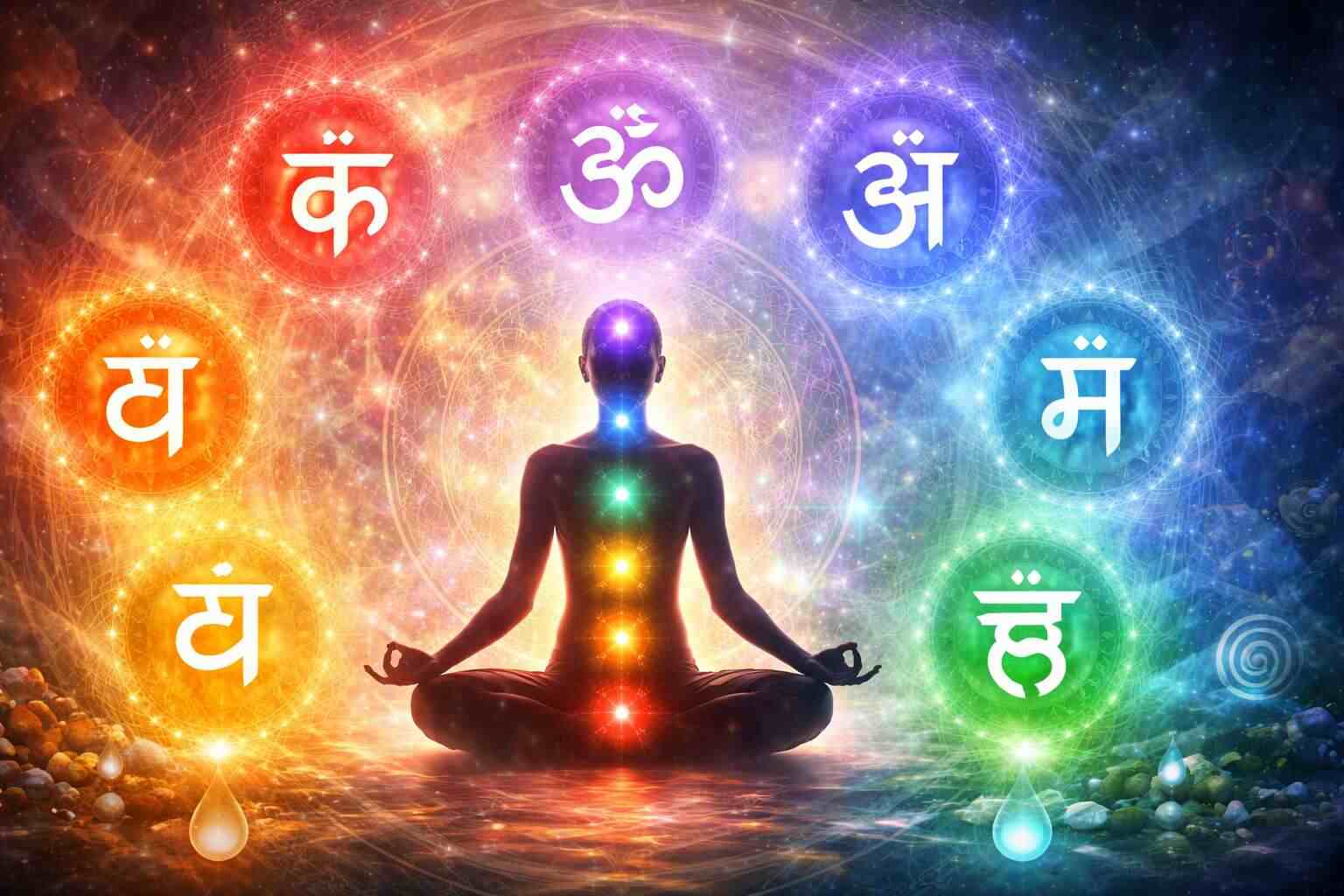
Each of the seven chakras in the body has a corresponding bija mantra that activates and balances its energy.
- Lam Earth Muladhara: (Root) Base of spine
- Vam Water Svadhisthana: (Sacral) Lower abdomen
- Ram Fire Manipura: (Solar Plexus) Upper abdomen
- Yam Air Anahata: (Heart) Chest
- Ham Ether Vishuddha: (Throat) Throat
- Om: Ajna (Third Eye) Forehead
- Ah: Sahasrara (Crown) Top of head
Chanting these sounds while focusing on the corresponding chakra helps:
- Balance energy flow
- Improve emotional well-being
- Enhance spiritual awareness
Benefits of Chanting Bija Mantras
Chanting bija mantras offers a wide range of mental, physical, and spiritual benefits.
1. Improves Focus and Concentration
Because bija mantras are short and repetitive, they make it easier to maintain focus during meditation. This helps train the mind to stay present and reduces distractions.
2. Reduces Stress and Anxiety
The rhythmic repetition of sound calms the nervous system and promotes relaxation. This can lower stress levels and create a sense of inner peace.
3. Balances Energy and Chakras
Bija mantras stimulate specific energy centers, helping to release blockages and restore balance within the body.
4. Enhances Spiritual Connection
Regular chanting deepens your connection to higher consciousness and inner awareness, supporting spiritual growth and self-realization.
5. Boosts Emotional Well-being
These mantras can help release negative emotions, increase positivity, and promote feelings of love, joy, and compassion.
6. Supports Physical Health
Chanting may improve breathing, reduce blood pressure, and increase overall energy levels through vibrational healing.
7. Strengthens Intention and Manifestation
Focused repetition of bija mantras enhances the power of your intentions, making your meditation practice more effective.
8. Creates Collective Energy in Group Practice
When chanted in groups, the combined vibrations amplify the effects, creating a powerful shared experience.
How to Practice Bija Mantras Effectively
To get the most out of your practice:
- Choose a quiet and comfortable space
- Sit in a relaxed posture with a straight spine
- Focus on your breath before starting
- Repeat the mantra slowly and consistently
- Maintain awareness of the sound and vibration
- Practice regularly for best results
Even a few minutes of daily chanting can create noticeable changes over time.
Conclusion
Bija mantras may be simple in form, but their impact is deeply transformative. These sacred seed sounds act as powerful tools for meditation, energy healing, and spiritual awakening, helping individuals connect with both their inner self and the universal consciousness. Whether you are seeking mental clarity, emotional balance, or a deeper spiritual connection, incorporating bija mantra chanting into your daily routine can create lasting positive change.
From activating chakras and balancing the five elements to reducing stress and enhancing focus, the benefits of bija mantras extend across physical, mental, and energetic dimensions. Their vibrational nature makes them accessible to everyone—regardless of experience level—while still offering profound depth for advanced practitioners.