

You want to brew the greatest coffee possible, so you’ll need some high-quality coffee gear. We’ve got you covered with extensive tutorials on everything from Italian espresso machines to burr grinders. Scroll down to discover the top coffee equipment on the market!
Our coffee gear guides are built for one purpose: helping you brew café-worthy coffee at home without drowning in equipment jargon. Whether you are grinding your first bag of beans or upgrading a well-loved setup, this hub walks you through every major gear category — grinders, pour-over brewers, French press, press-style brewers, espresso gear, cold brew makers, kettles and scales — explaining what each tool does, who it suits, and how to choose wisely in 2026.
Everything here is educational — no sponsored picks, prices or checkout links. For exactly how this site handles recommendations, see our disclosure and Amazon disclaimer. And if you are shopping for a coffee lover rather than upgrading your own kitchen, our Bevzilla coffee gift guide is the better starting point.
Key Highlights
- Start with a burr grinder — grind consistency affects your cup more than any brewer, and it is the fastest-payback upgrade you can make.
- Match the brewer to the cup you like: French press and stovetop pots for full body, pour-over for clean clarity, espresso gear for concentrated shots and milk drinks.
- A digital scale and a temperature-capable kettle turn guesswork into repeatable recipes you can actually reproduce.
- Cold brew needs almost no special equipment — a jar or French press plus a fine strainer is enough to begin.
- Buy for your routine, not the trend: one brewer you understand deeply beats three you barely use.
Coffee Grinders: The Foundation of Every Good Cup
Ask experienced home brewers what to buy first and most say the same thing: the grinder. Grind consistency decides how evenly coffee extracts — uneven grounds give bitter and sour notes in the same cup, and no brewer can fix that. Burr grinders crush beans evenly between two abrasive surfaces; blade grinders chop them into a chaotic mix of powder and chunks. The difference is not subtle, which is why the grinder comes first.
Manual Burr Grinders
Hand grinders are the most cost-effective entry point: quiet, portable, and excellent consistency for the money, at the cost of a couple of minutes of cranking per cup. If you brew one or two cups a day, a manual grinder can serve you indefinitely.
Electric Burr Grinders
Electric grinders trade a higher upfront cost for speed and convenience, which pays off in multi-cup households. Look for a wide grind range — espresso-fine to French-press-coarse — so one grinder grows with you as you add brewers. Avoid blade grinders entirely; they are the one piece of gear that reliably makes coffee worse.
Manual Brewers: Pour-Over, French Press and Press-Style
The brewer sets the cup's basic character: body, clarity, and how much control you have over extraction. Pick based on the coffee you enjoy, not what looks most impressive on a shelf.
Pour-Over Drippers
Pour-over passes water through the coffee bed once, filtered through paper. The paper traps oils and sediment, producing a clean, light-bodied cup where flavor notes — fruit, florals, sweetness — separate clearly. It flatters light and medium roasts most. The trade-off is technique: pour speed and pattern matter, which is why pour-over rewards a gooseneck kettle and a scale.
French Press
The French press is full immersion: coarse grounds steep directly in hot water for about four minutes, then a metal mesh plunger separates them. Because the metal filter lets oils through, the cup is heavy, round and full-bodied. It is forgiving, simple, and excellent with dark and medium roasts — best for unhurried mornings.
Portable Press-Style Brewers
The tube-shaped press brewer popularized by the AeroPress combines immersion with gentle hand pressure through a paper filter. The result is smooth and versatile — clean like a pour-over but with more body — and the brewer is nearly unbreakable, quick to clean, and travel-friendly. Its concentrated brews also work well topped with hot water or steamed milk.
Espresso Gear: For Concentrated Shots and Milk Drinks
True espresso forces hot water through a compacted bed of very fine coffee at about nine bars of pressure, extracting in roughly twenty-five to thirty seconds. That pressure reaches compounds gravity brewing cannot, which is what makes a shot taste concentrated and syrupy rather than simply strong — and what makes espresso the least forgiving of a weak grinder.
Home machines come in three broad styles: manual lever machines for full hands-on control, semi-automatic machines where you control grind, dose and shot time, and super-automatic machines that grind, tamp and brew at a button. All need regular cleaning and descaling, so factor maintenance into your decision.
Espresso-Style Without the Machine
If you mainly want strong, concentrated coffee for milk drinks, a stovetop moka pot or a portable press-style brewer gets you remarkably close for a fraction of the cost and upkeep. A moka pot uses steam pressure to push water up through the grounds for a bold, intense brew. Without true pressure you will not get real crema — but for most home drinkers, the cup is more than good enough.
Cold Brew Gear: Smooth Coffee, Minimal Equipment
Cold brew is coarse grounds steeped in cold or room-temperature water for twelve to twenty-four hours, then strained. Without heat, fewer acidic compounds extract, producing a smoother, sweeter, lower-acid cup — a favorite for sensitive stomachs and hot weather. It is also the only method here you can batch: a concentrate keeps in the fridge for about a week.
The gear list is refreshingly short: a large jar or your French press plus a fine-mesh strainer is all you need; dedicated cold brew makers simply build the filter in for easier cleanup. If you are torn between the two chilled styles, our cold brew vs iced coffee guide breaks down how they differ in taste, acidity and effort.
Kettles and Scales: The Precision Duo
A digital scale is the cheapest way to make coffee repeatable. Scoops are unreliable because ground coffee density varies with grind size; weighing both coffee and water — roughly a 1:15 to 1:17 ratio by weight — means a great cup can be recreated exactly. A scale reading to 0.1 grams is ideal, and a built-in timer is handy for pour-over.
A gooseneck kettle matters most for pour-over, where its narrow spout gives precise control over pour rate and direction; for immersion methods, any kettle works. Aim for 195°F to 205°F (90°C to 96°C) — hotter for light roasts, cooler for dark.
How to Choose: Three Questions Before You Buy
Work backwards from the cup you want rather than forwards from the equipment shelf — three questions narrow the field fast.
1. What kind of cup do you actually enjoy?
If you love body and richness, lean toward a French press, moka pot or espresso gear. If you chase clarity, pour-over is your method. If you want coffee ready with minimal fuss, an automatic drip machine or cold brew batching fits better than any manual ritual.
2. How much daily effort will you give it?
Manual brewing is a small morning ritual — grinding, heating, pouring, timing. Be honest with yourself: the best gear is the gear you will actually use every day, and a simple setup used daily beats an elaborate one gathering dust.
3. How many cups are you brewing?
A single-cup brewer suits solo drinkers but is tedious for a household of four — size your brewer and grinder to your real routine. And if coffee is part of your morning energy ritual, black home-brewed coffee is one of the simplest cups you can make — our coffee weight loss hack looks at how coffee fits into a lighter daily routine.
What You Can Skip for Now
Buy in this order: a burr grinder first, then one brewer matched to your taste, then scale and kettle refinements. Skip advanced accessories — refractometers, distribution tools, extra brewers — until you have mastered the basics. One brewer understood deeply teaches you more than three barely used.
Keeping Gear (and Beans) Fresh
The care routine is simple: rinse brewers after every use so old coffee oils never turn rancid, brush loose grounds out of your grinder regularly, and descale your kettle every few months. Store whole beans airtight, away from light, heat and moisture, buy bags printed with a roast date, and grind just before brewing — bean freshness matters as much as any equipment choice.
Frequently Asked Questions
What is the single most important piece of coffee gear?
A burr grinder. Grind consistency has the biggest single impact on taste — uneven grounds extract unevenly, giving sour and bitter notes in the same cup. Freshly ground beans from a burr grinder improve every brewer you own, while no brewer can rescue stale or unevenly ground coffee.
Do I really need a gooseneck kettle for pour-over?
It helps a lot, but it is not mandatory on day one. The gooseneck's narrow spout gives you slow, precise control over where and how fast water hits the coffee bed, which is what makes pour-over repeatable. You can start with any kettle and upgrade later — temperature control matters more than the spout shape, so aim for 195°F to 205°F (90°C to 96°C).
Can I make espresso without an espresso machine?
You can make strong, concentrated coffee that works beautifully in milk drinks, but not true espresso — that requires about nine bars of pressure, which only a pump machine or a manual lever press produces. A stovetop moka pot or a portable press-style brewer gets you close in strength and body for a fraction of the cost and maintenance.
Do I need special equipment to make cold brew?
No. Coarse coffee grounds, cold or room-temperature water, a large jar or French press, twelve to twenty-four hours of steeping, and a fine strainer are all it takes. Dedicated cold brew makers simply build the filter into the vessel for easier cleanup. If you are still deciding whether cold brew is your style, our cold brew vs iced coffee comparison walks through the taste, acidity and effort differences.
How should I store my coffee beans and care for my gear?
Store whole beans airtight, away from light, heat and moisture, and buy bags with a printed roast date — then grind just before brewing. Rinse brewers after every use, brush out your grinder regularly, and descale your kettle every few months. Clean equipment tastes better and lasts years longer.
What coffee gear makes a good gift?
Forgiving brewers make the best gifts — a French press or portable press-style brewer suits almost any coffee drinker with no learning curve. Pair it with freshly roasted whole beans for a complete present. For more ideas, browse our Bevzilla coffee gift guide.
Coffee Gear
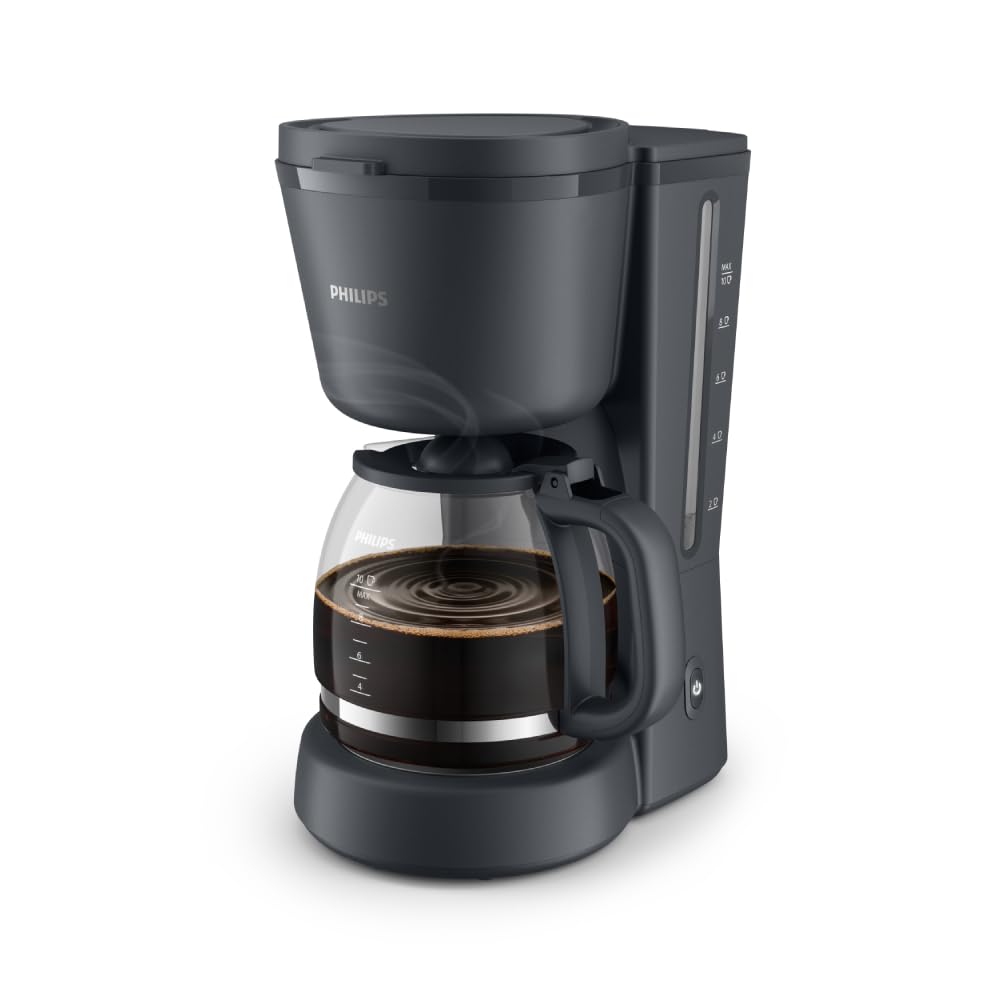
Drip Coffee Makers
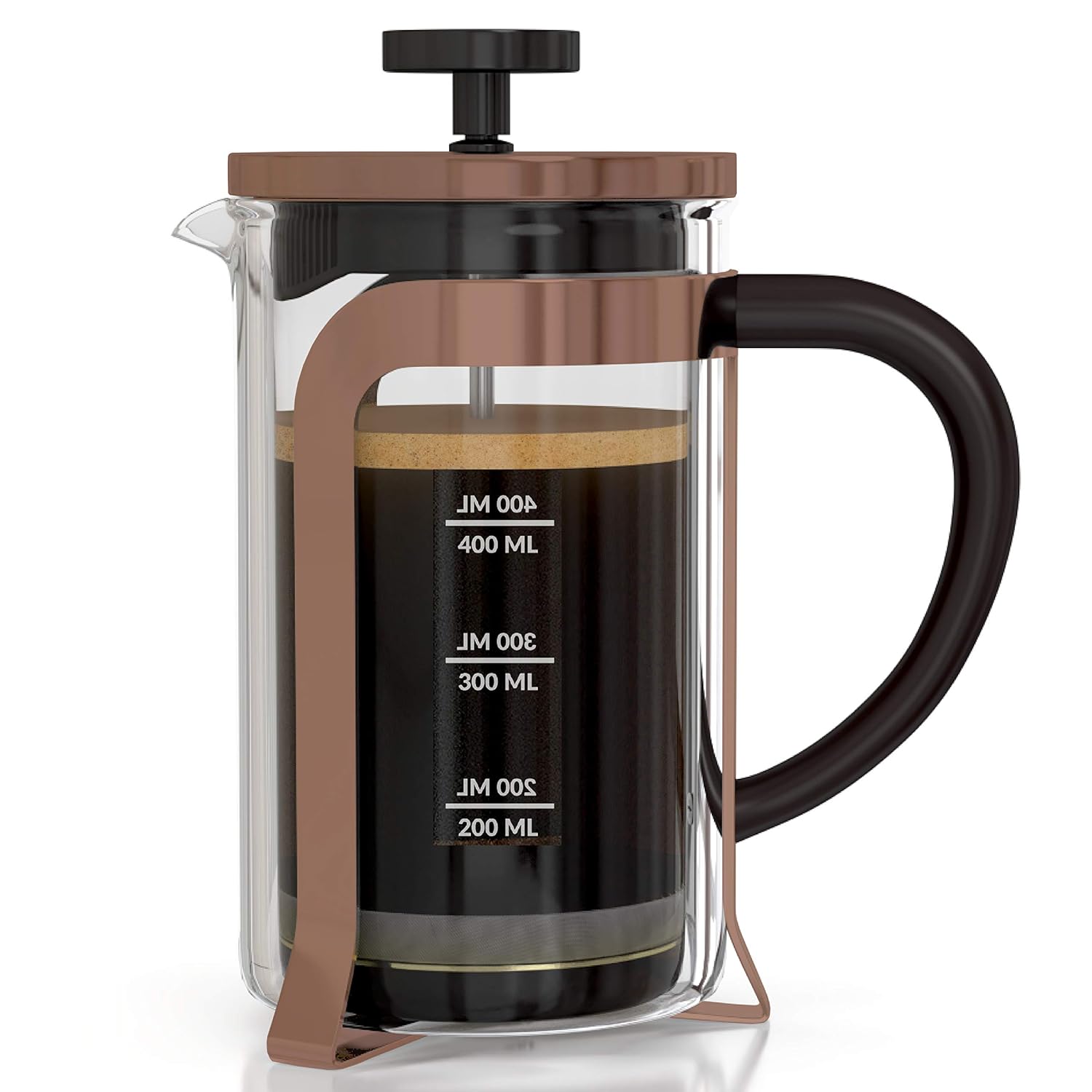
French Presses
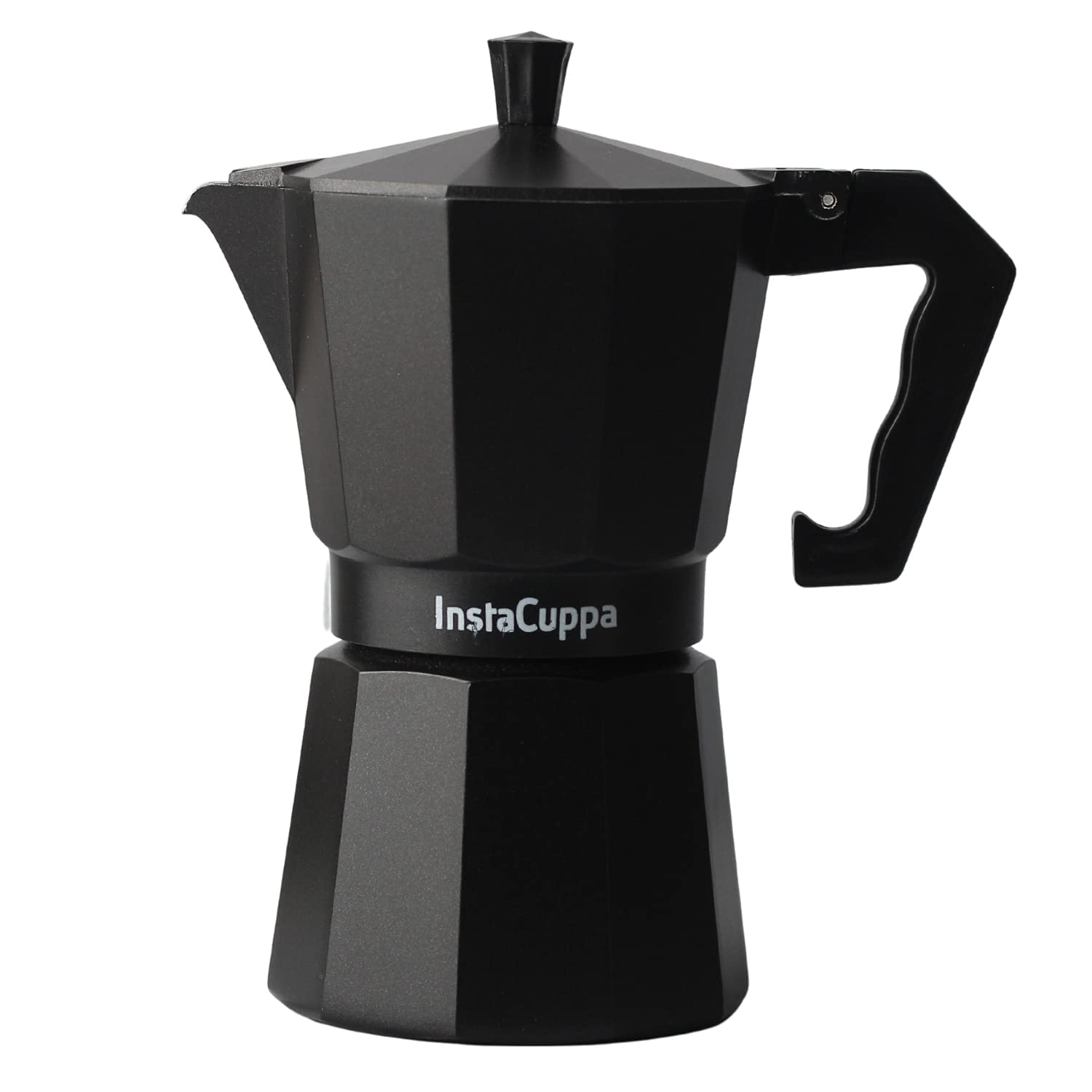
Stovetop Espresso Pots
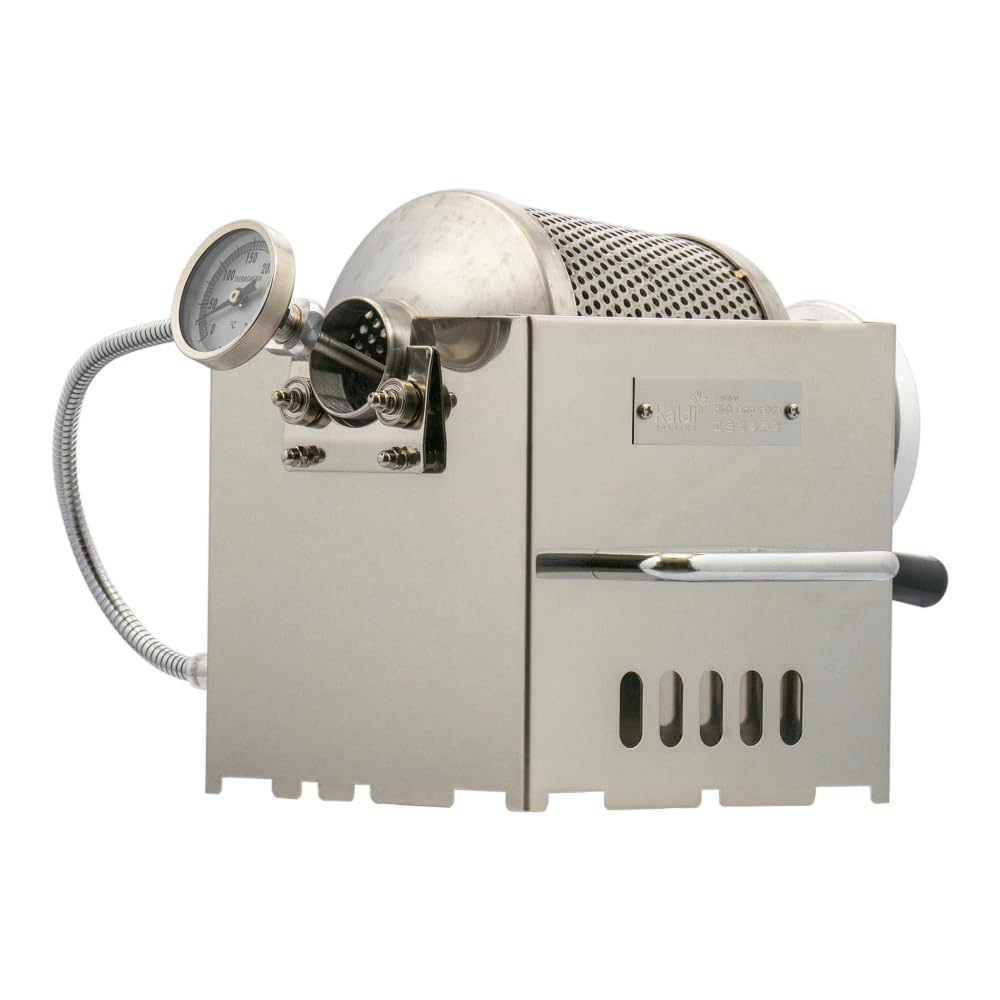
Home Coffee Roasters
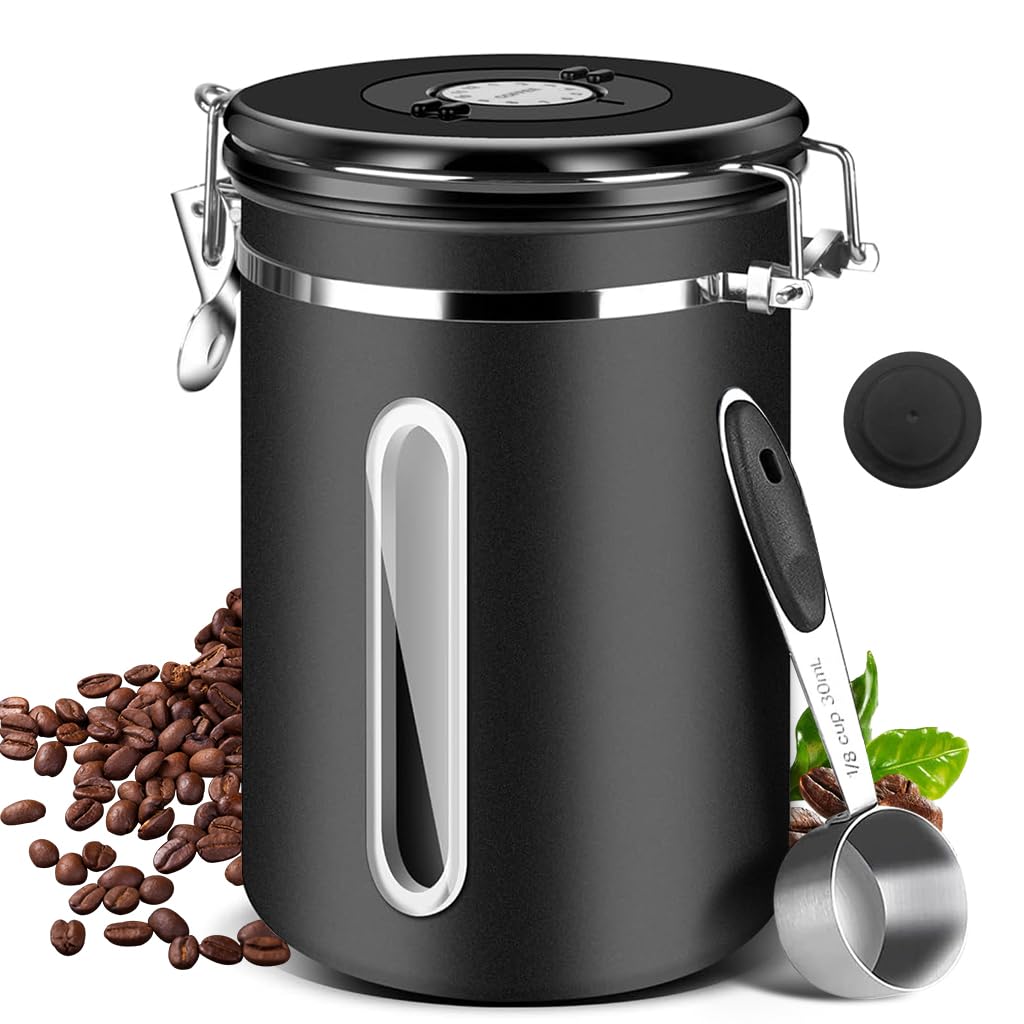
Coffee Storage Containers

Coffee Mugs
Espresso Gear
Do you want to make the ideal shot of espresso at home or on the go? You are in the right place! We examined high-end, mid-range, and budget alternatives, as well as semi- and super-automatic models. If you want to take your crema on the go, consider one of our favorite portable espresso makers!

Espresso Machines
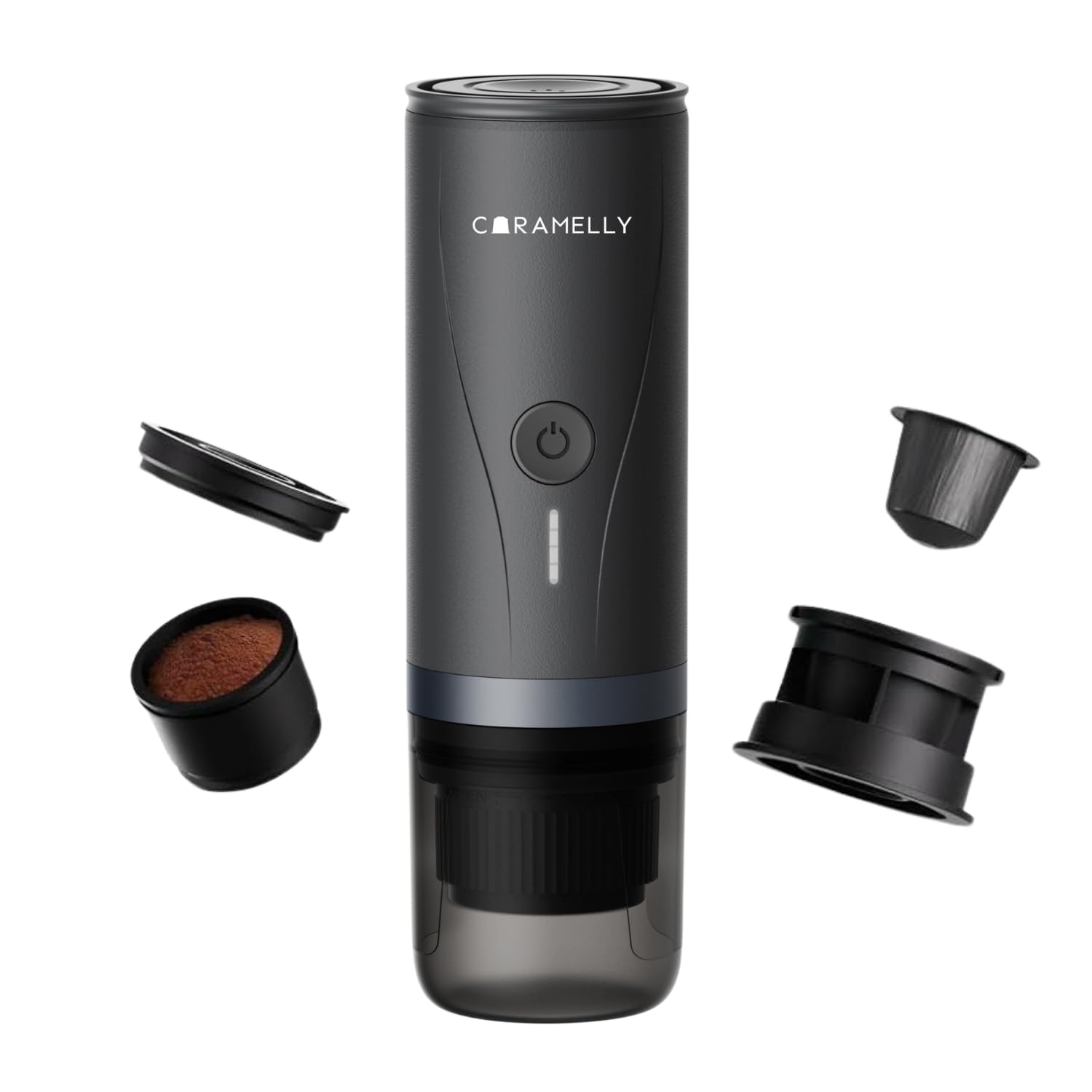
Portable Espresso Makers
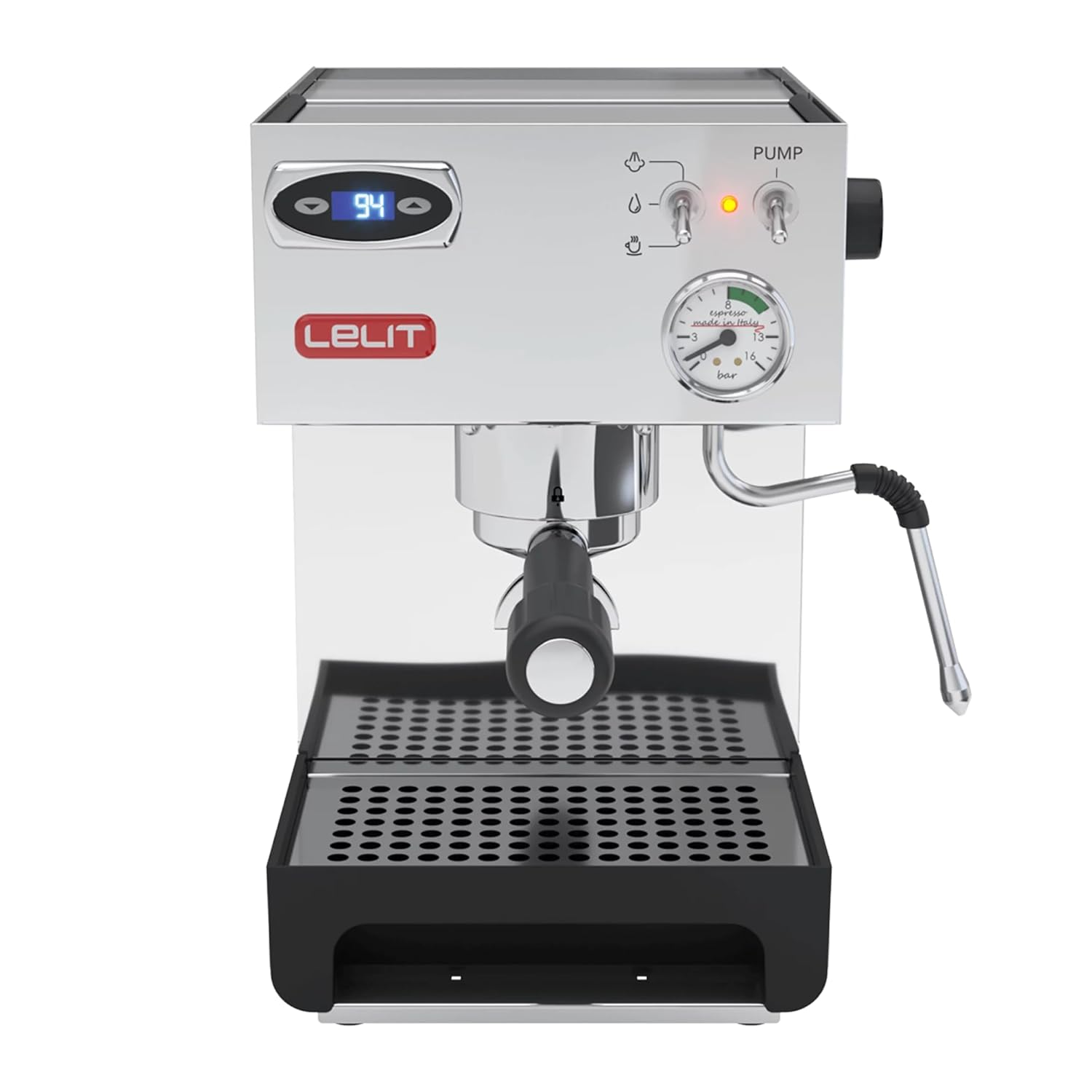
Lever Espresso Makers
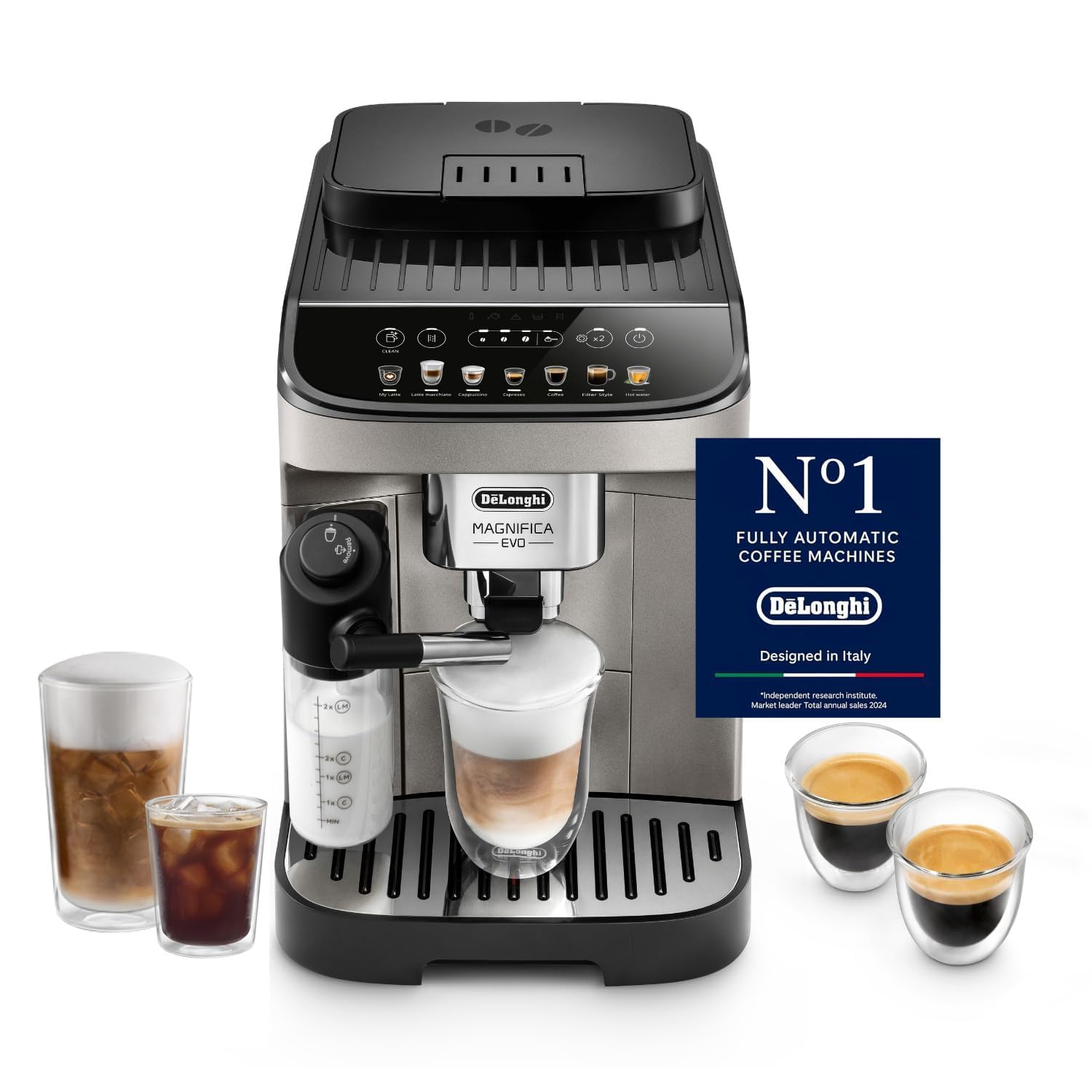
Semi-automatic Espresso Machines

Super-automatic Espresso Machines
