
Introduction
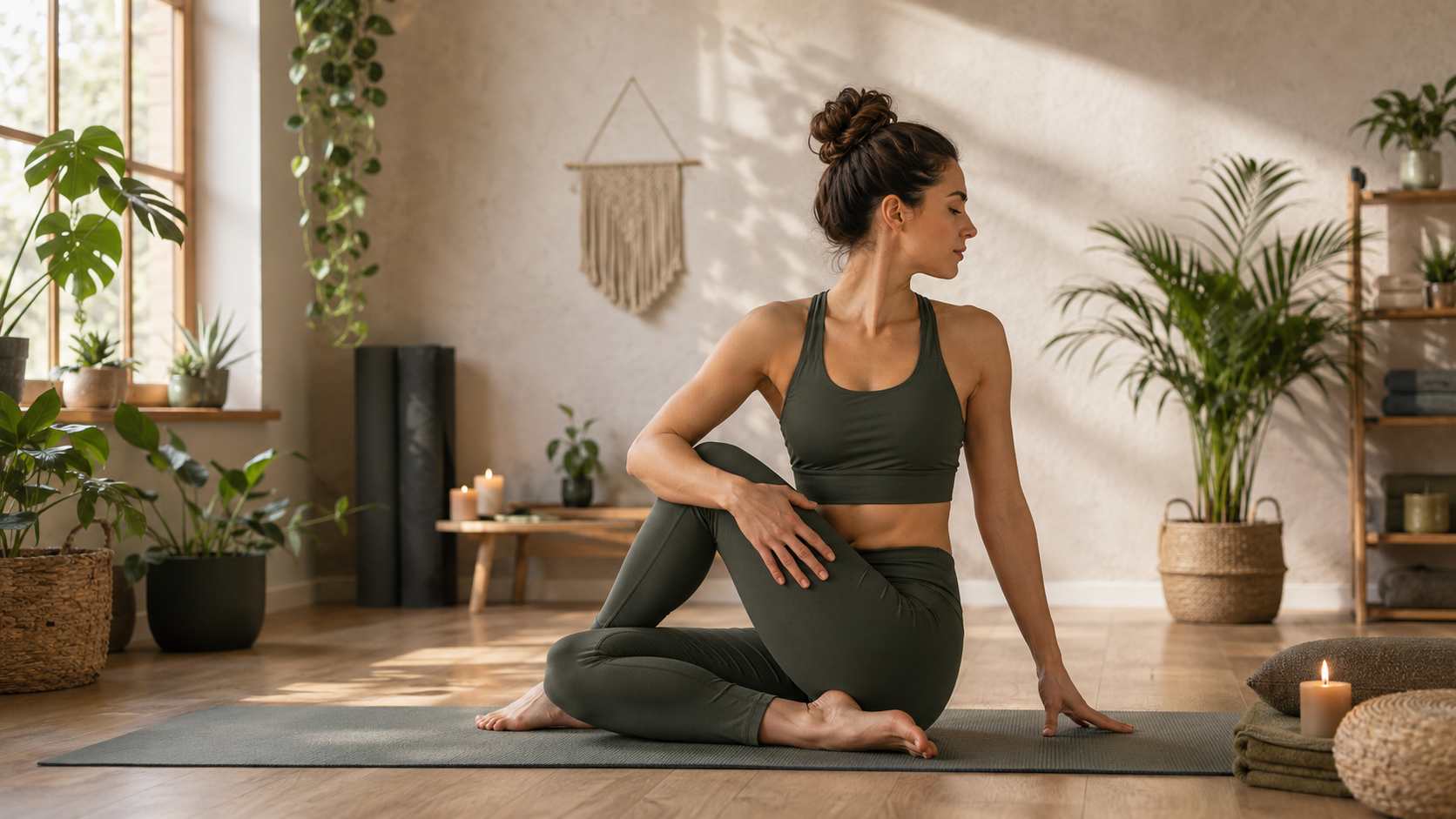
Twisting yoga poses are among the most refreshing and energizing movements in yoga practice. From gentle seated spinal twists to advanced revolved balancing postures, twists help improve spinal mobility, release muscular tension, stimulate digestion, and create a sense of balance within the body.
For many yoga practitioners, twisting poses feel both challenging and rewarding. They require coordination between the spine, core muscles, breath, shoulders, hips, and posture. When practiced correctly, yoga twists can leave the body feeling lighter, more open, and more energized. However, incorrect technique or over-rotation can lead to discomfort, strain, or lower back pain.
Many beginners struggle with twisting poses because they try to force depth instead of focusing on proper alignment and breath control. Advanced practitioners may also face challenges when combining twists with balancing postures, backbends, or deep forward folds.
Learning how to master twisting yoga poses involves understanding spinal mechanics, breathing techniques, body awareness, and gradual progression. Twisting is not about how far you can rotate your body; it is about creating safe movement and controlled expansion throughout the spine.
This detailed guide explores everything you need to know about twisting yoga poses, including their benefits, common mistakes, preparation techniques, beginner-friendly poses, advanced variations, breathing strategies, safety tips, and methods to improve your twists over time.
Understanding Twisting Yoga Poses
What Are Twisting Yoga Poses?
Twisting yoga poses are postures that involve rotating the spine and torso around the body’s central axis. These movements can be performed while standing, seated, kneeling, reclining, or balancing.
In yoga, twists are often called “revolved” poses because they involve rotational movement through the torso and spine. Some twists are gentle and restorative, while others require strength, flexibility, and balance.
Common twisting yoga poses include:
- Seated Spinal Twist
- Revolved Triangle Pose
- Revolved Side Angle Pose
- Supine Spinal Twist
- Chair Twist Pose
- Half Lord of the Fishes Pose
Twists are commonly included in yoga sequences because they help rebalance the body after forward bends or backbends.
Why Twisting Poses Are Important in Yoga
The spine is designed to move in multiple directions, including forward bending, backward bending, side bending, and rotation. Twisting poses improve rotational mobility while strengthening muscles that support spinal stability.
Twists are also closely connected to yoga’s emphasis on detoxification, circulation, and energy flow. Many yoga practitioners describe twisting poses as cleansing and rejuvenating because of the compression and release effect they create in the torso.
Benefits of twisting poses include:
- Improved spinal flexibility
- Better posture and alignment
- Increased circulation
- Core strengthening
- Digestive stimulation
- Reduced muscular tension
- Enhanced body awareness
- Greater balance and coordination
How the Spine Works During Twists
Understanding Spinal Rotation
To master twisting yoga poses safely, it is important to understand how the spine rotates.
The spine consists of different sections:
- Cervical spine (neck)
- Thoracic spine (upper and middle back)
- Lumbar spine (lower back)
- Sacrum and tailbone
Not all parts of the spine rotate equally. The thoracic spine is designed for greater rotational movement, while the lumbar spine has limited twisting capacity.
This means healthy twisting should mainly originate from the upper and middle back rather than forcing rotation into the lower back.
Importance of Spinal Length
One of the most important principles in twisting yoga poses is maintaining spinal length before rotating.
If the spine collapses or rounds excessively, twisting becomes compressed and unsafe. Lengthening the spine creates space between the vertebrae, allowing safer and deeper rotation.
Key alignment principles include:
- Lift through the crown of the head
- Lengthen the torso upward
- Engage the core gently
- Keep shoulders relaxed
- Avoid collapsing the chest
Creating length before rotation helps protect the spine and improves mobility.
The Role of Breath in Twisting Yoga Poses
Why Breath Matters
Breath control plays a central role in yoga twists. Proper breathing helps create space within the torso and supports safe spinal movement.
Most yoga teachers encourage practitioners to:
- Lengthen the spine during inhalation
- Deepen the twist during exhalation
This breathing pattern allows the body to relax into the pose gradually instead of forcing movement.
Breathing Tips for Better Twists
To improve twisting poses:
- Take slow and controlled breaths
- Avoid holding your breath
- Expand the chest while inhaling
- Soften the abdomen during exhalation
- Use breath to guide movement
Shallow or restricted breathing can create tension and limit spinal mobility.
Common Mistakes in Twisting Yoga Poses
Forcing the Twist
One of the biggest mistakes is using the arms to force the body into a deeper twist.
- Many practitioners place their hands behind them and pull aggressively, which creates compression in the spine instead of healthy rotation.
- The twist should originate from the core and spine, not from external force.
Twisting Without Lengthening
- Trying to twist with a collapsed spine reduces mobility and increases pressure on the vertebrae.
- Always lengthen before rotating.
Over-Rotating the Neck
- Some people turn the neck excessively to appear deeper in the pose. This creates strain without improving spinal rotation.
- The neck should remain relaxed and aligned naturally with the spine.
Ignoring Pain Signals
Twisting should create sensation, not sharp pain.
If you experience:
- Pinching
- Nerve discomfort
- Sharp lower back pain
- Joint instability
You should immediately reduce intensity or exit the pose.
Preparing the Body for Twists
Warm-Up Movements
The body should be prepared before deep twisting.
Helpful warm-up exercises include:
- Cat-Cow stretches
- Side bends
- Hip openers
- Gentle spinal rotations
- Shoulder mobility exercises
A warm body allows safer and deeper movement.
Importance of Core Activation
Twisting poses require controlled core engagement to stabilize the spine.
Core muscles help:
- Protect the lower back
- Support spinal rotation
- Improve balance
- Prevent collapsing
Gentle abdominal engagement creates stability without tension.
Beginner-Friendly Twisting Yoga Poses
Seated Spinal Twist
This is one of the most accessible twisting poses for beginners.
Benefits include:
- Gentle spinal rotation
- Improved posture
- Lower back relief
- Increased mobility
Tips:
- Sit tall before twisting
- Keep hips grounded
- Twist gradually
Supine Spinal Twist
This restorative pose is performed lying down.
Benefits include:
- Relaxation
- Gentle lower back release
- Nervous system calming
- Improved spinal mobility
It is excellent for beginners and recovery days.
Chair Twist Pose
Chair Twist combines twisting with leg engagement.
Benefits include:
- Core strengthening
- Improved balance
- Increased heat in the body
- Better posture awareness
Beginners can modify by keeping hands apart instead of pressing palms together.
Intermediate Twisting Yoga Poses
Revolved Triangle Pose
This standing twist challenges flexibility and balance.
Benefits include:
- Hamstring stretching
- Spinal strengthening
- Core activation
- Improved coordination
Common challenges:
- Tight hamstrings
- Balance instability
- Restricted thoracic mobility
Using yoga blocks can make this pose more accessible.
Revolved Side Angle Pose
This pose combines twisting with a deep lunge position.
Benefits include:
- Leg strengthening
- Hip opening
- Core engagement
- Spinal mobility
Proper alignment is essential to avoid collapsing into the lower back.
Advanced Twisting Yoga Poses
Revolved Half Moon Pose
Revolved Half Moon Pose is one of the more advanced balancing twists in yoga. It requires strong core stability, spinal mobility, hip control, balance, and full-body coordination. Because the pose combines twisting with balancing on one leg, it can feel challenging even for experienced practitioners. Proper focus, breath control, and gradual progression are essential for maintaining stability and alignment.
Bound Twisting Poses
Advanced practitioners may also explore bound twisting postures such as Bound Half Lord of the Fishes, Bound Revolved Side Angle, and Marichyasana variations. These poses combine deep spinal rotation with shoulder mobility, flexibility, and balance. Since advanced twists place greater demand on the body, they should always be approached slowly and mindfully to avoid strain or injury.
How to Deepen Your Twists Safely
Focus on Controlled Movement
Many yoga teachers recommend initiating twists from the abdomen before rotating the chest and shoulders. This creates a more integrated and balanced spinal movement instead of forcing rotation from the upper body alone.
Breath should guide the twist naturally:
- Inhale to lengthen the spine
- Exhale to deepen the rotation gently
Using breath instead of force helps create safer and more sustainable flexibility.
Strengthen Supporting Muscles
Improving twisting poses often requires strengthening the muscles that stabilize and support the spine. Important areas include:
- Core muscles
- Back muscles
- Hip stabilizers and glutes
Without strength and stability, excessive mobility can create imbalance and discomfort.
Improve Thoracic Mobility
Since most spinal rotation should occur in the thoracic spine, improving upper back mobility is essential for safer twists. Helpful mobility exercises include foam rolling, thread-the-needle stretches, open-book rotations, and shoulder mobility drills.
Benefits of Twisting Yoga Poses
Twisting yoga poses offer physical, mental, and postural benefits that support overall wellness. Regular practice can improve spinal mobility, especially for people with sedentary lifestyles or prolonged sitting habits. Twists also help release muscular tension in the back, shoulders, and hips while strengthening the muscles that support posture and alignment.
Many practitioners find twisting poses beneficial for digestion because the gentle compression and release of the abdominal area may stimulate circulation and digestive function. Twists are also calming for the nervous system and may help reduce stress, improve focus, encourage relaxation, and increase body awareness.
Key benefits include:
- Better spinal flexibility and mobility
- Improved posture and alignment
- Reduced back and shoulder tension
- Core strengthening
- Better balance and coordination
- Stress relief and mental clarity
- Digestive support
Safety Tips for Twisting Yoga Poses
Twisting yoga poses should always be practiced with awareness and control. More rotation does not necessarily mean better alignment. Gentle and mindful movement is far safer and more effective than forcing the body deeper into a twist.
Props such as yoga blocks, blankets, chairs, and walls can make twisting poses more accessible and help maintain proper alignment. People with herniated discs, severe spinal conditions, SI joint instability, or pregnancy-related restrictions should practice cautiously and seek professional guidance when necessary.
Important safety tips:
- Avoid aggressive or forced twisting
- Move slowly and with control
- Lengthen the spine before rotating
- Stop immediately if sharp pain occurs
- Modify poses when needed
Twisting Yoga Poses for Different Goals
Different twisting yoga poses serve different purposes depending on your goals and experience level.
Best Twists for Beginners
- Supine Spinal Twist
- Seated Twist
- Gentle Chair Twist
Twists for Improving Flexibility
- Revolved Triangle Pose
- Half Lord of the Fishes Pose
- Revolved Side Angle Pose
Twists for Relaxation and Stress Relief
- Reclined twists
- Supported twists
- Gentle seated rotations
Twists for Core Strength and Balance
- Chair Twist Pose
- Revolved Crescent Lunge
- Revolved Half Moon Pose
Building a Twisting Yoga Practice
Developing a strong twisting practice requires patience, consistency, and body awareness. Beginners should focus on proper alignment, breath control, stability, and gentle rotation instead of trying to achieve maximum depth immediately.
Regular practice improves:
- Mobility
- Strength
- Coordination
- Balance
- Confidence
Twisting poses work best when balanced with other yoga movements such as forward folds, backbends, hip openers, and core strengthening exercises. A balanced approach supports long-term spinal health and overall flexibility.
Mental and Emotional Effects of Twists
Many practitioners describe twisting yoga poses as emotionally refreshing and mentally calming. The combination of breath, controlled movement, and spinal rotation can create a sense of release throughout the body and mind.
Yoga traditions often associate twists with cleansing, renewal, and transformation. Regular twisting practice may contribute to:
- Mental clarity
- Emotional release
- Relaxation
- Renewed energy
- Greater mindfulness and body awareness
Conclusion
Mastering twisting yoga poses is not about forcing the body into extreme positions. It is about creating safe, controlled, and mindful movement throughout the spine while maintaining proper alignment and steady breathing.
Twists improve flexibility, posture, spinal mobility, balance, digestion, and core strength while helping release physical and mental tension. Whether practicing gentle seated twists or advanced balancing revolved poses, the key to progress is patience, consistency, and awareness.
By focusing on spinal length, controlled breathing, gradual progression, and muscular stability, anyone can safely improve their twisting yoga practice and experience its long-term physical and mental benefits.