
Introduction
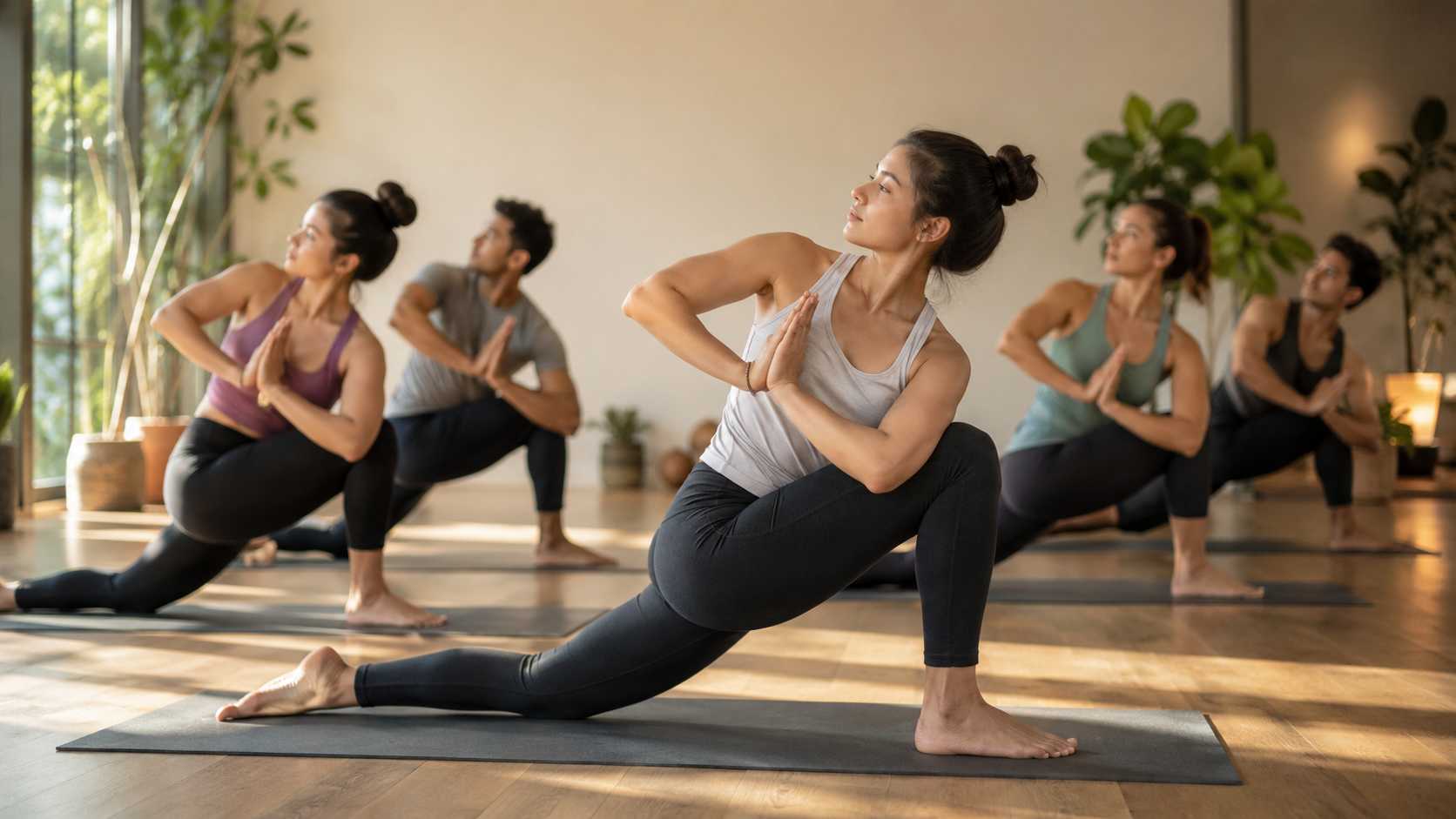
Vinyasa yoga has become one of the most popular styles of yoga worldwide because of its dynamic flow, creative sequencing, and connection between breath and movement. Unlike slower yoga styles that focus heavily on holding postures, vinyasa yoga emphasizes smooth transitions and continuous movement. This flowing structure creates a practice that feels energizing, meditative, and physically challenging at the same time.
While vinyasa yoga offers numerous physical and mental benefits, its fast-paced nature can also increase the risk of injuries when practiced incorrectly. Many students become so focused on keeping up with the flow that they sacrifice proper alignment, body awareness, and safe movement patterns. Over time, repetitive strain and poor posture habits can lead to discomfort, chronic pain, or more serious injuries.
Common vinyasa yoga injuries often affect the wrists, shoulders, knees, lower back, and hamstrings. These problems may develop gradually rather than appearing suddenly. A slight misalignment repeated hundreds of times during transitions like Chaturanga, Upward-Facing Dog, and Downward Dog can eventually place excessive stress on joints and muscles.
The good news is that most yoga injuries are preventable. By slowing down, improving alignment, listening to the body, and practicing mindfully, yogis can enjoy the benefits of vinyasa while reducing the risk of harm. Yoga is not about pushing through pain or achieving the “perfect” pose. Instead, it is about creating balance, awareness, and sustainable movement.
This detailed guide explores the most common vinyasa yoga injuries, why they happen, and how to prevent them through proper alignment, body awareness, and smart practice habits.
Understanding Why Vinyasa Yoga Injuries Happen
Vinyasa yoga injuries rarely occur because yoga itself is dangerous. Most injuries happen due to the way people approach the practice.
One of the main causes of injury is moving too quickly without maintaining proper alignment. Vinyasa classes often involve continuous transitions between poses, and beginners especially may prioritize speed over stability. When the body repeatedly moves out of alignment, strain accumulates in joints and muscles over time.
Another major reason is overexertion. Many practitioners compare themselves to advanced students or social media images and try to force flexibility or strength before the body is ready. Yoga injuries frequently result from overstretching, hyperextending joints, or pushing beyond physical limits.
Lack of strength is another overlooked issue. Vinyasa yoga requires more than flexibility. It demands muscular engagement, core stability, and joint support. Without adequate strength, practitioners may collapse into poses, placing stress on sensitive areas such as the shoulders and lower back.
Repetitive movements also contribute significantly to injuries. Frequent Chaturangas, planks, and arm balances place repeated pressure on the wrists and shoulders. Even experienced yogis can develop repetitive strain injuries if they do not balance intensity with recovery.
Poor instruction, ignoring pain signals, skipping warm-ups, and practicing with ego rather than awareness can also increase injury risk.
Understanding these causes is the first step toward building a safer and more sustainable yoga practice.
The Importance of Alignment in Vinyasa Yoga
Alignment refers to the way the body is positioned during yoga poses and transitions. Proper alignment helps distribute weight evenly, engage muscles effectively, and reduce unnecessary strain on joints.
In slower yoga classes, students often have more time to adjust their posture carefully. In vinyasa yoga, however, movement happens quickly, making alignment easier to overlook. Unfortunately, repeating poor alignment patterns during fast-paced sequences can gradually create chronic stress and injury.
Alignment does not mean forcing the body into rigid shapes. Every body is different, and safe alignment varies depending on anatomy, flexibility, injuries, and strength levels. Instead, alignment should support stability, ease, and functional movement.
For example:
- In lunges, knees should remain aligned over ankles.
- In Chaturanga, elbows should stay close to the ribs.
- In Downward Dog, the spine should lengthen instead of collapsing into the shoulders.
Proper alignment allows muscles to support movement efficiently while protecting vulnerable joints.
Learning alignment takes time and patience. Practicing slowly, taking workshops, and working with experienced instructors can greatly improve body awareness and reduce injury risk.
Common Wrist Injuries in Vinyasa Yoga
Wrist pain is one of the most common complaints in vinyasa yoga because many poses require weight-bearing through the hands.
Poses such as:
- Downward-Facing Dog
- Plank
- Side Plank
- Crow Pose
- Chaturanga
place significant pressure on the wrists. Improper weight distribution or weak supporting muscles can lead to inflammation and strain.
Many practitioners dump excessive weight into the heel of the hand instead of distributing pressure evenly across the fingers and palms. This compresses the wrist joint and creates discomfort over time.
How to Prevent Wrist Injuries
One of the most effective ways to protect the wrists is by distributing weight evenly across the entire hand.
The fingers should spread wide, pressing actively into the mat. The area between the thumb and index finger should remain grounded to prevent collapsing into the wrists.
Strengthening the shoulders, forearms, and core also reduces wrist strain because stronger muscles help support body weight more efficiently.
Practitioners with sensitive wrists can:
- Lower knees during transitions
- Use yoga wedges or folded mats
- Reduce the number of Chaturangas
- Take breaks in Child’s Pose
Importantly, pain should never be ignored. Persistent wrist discomfort may indicate repetitive strain injuries that require rest and modification.
Why Shoulder Injuries Are Common
The shoulder joint is highly mobile but relatively unstable, making it vulnerable during repetitive vinyasa movements.
Chaturanga Dandasana is one of the biggest causes of shoulder strain. Many students lower their bodies incorrectly by collapsing the shoulders below elbow level or allowing elbows to flare outward. This places excessive stress on the rotator cuff muscles and shoulder joints.
Repeated transitions between Chaturanga and Upward Dog can also overwork the shoulders, especially when practitioners lack upper-body strength.
How to Prevent Shoulder Injuries
Proper Chaturanga alignment is essential.
Key points include:
- Keeping elbows close to the ribs
- Maintaining shoulders level with elbows
- Engaging the core and legs
- Avoiding collapsing into joints
Beginners should not feel pressured to perform full Chaturangas repeatedly. Modifications such as lowering knees or practicing Baby Cobra instead of Upward Dog are safer options while building strength.
Shoulder stability improves through balanced strength training and mindful movement. Yoga should strengthen the body gradually rather than forcing advanced transitions prematurely.
Lower Back Injuries in Vinyasa Yoga
Causes of Lower Back Pain
Lower back pain often occurs when practitioners compress the lumbar spine during backbends or collapse the core during transitions.
In poses such as:
- Upward-Facing Dog
- Cobra Pose
- Wheel Pose
- Forward folds
improper spinal engagement can strain muscles and vertebrae.
People with high flexibility are especially prone to “hanging” in the lower back instead of using muscular support.
Preventing Lower Back Injuries
Core engagement is one of the best ways to protect the lower back.
Rather than forcing deeper backbends, practitioners should focus on lengthening the spine and distributing movement evenly throughout the back.
Teachers often cue students to:
- Draw the belly inward gently
- Lengthen the tailbone toward the heels
- Engage thighs and chest muscles
These actions stabilize the pelvis and reduce compression in the lumbar spine.
Overarching the back should never feel painful. Discomfort is a sign to modify or reduce intensity.
Knee Injuries in Vinyasa Yoga
The knee joint primarily moves forward and backward, making it sensitive to twisting and misalignment.
- In poses such as Warrior II, Lunges, and Pigeon Pose, improper tracking of the knee can stress ligaments and connective tissues.
- Overstretching and hyperextension also contribute to knee pain.
Protecting the Knees During Practice
Alignment is essential for knee safety.
In standing poses:
- Knees should align over ankles
- Weight should distribute evenly through the feet
- Hyperextension should be avoided
Practitioners should also strengthen surrounding muscles, particularly the quadriceps and glutes, to stabilize the knees. Using props and modifying deep poses can significantly reduce joint strain.
Hamstring and Hip Injuries
Overstretching is one of the most common causes of yoga injuries. Many practitioners aggressively chase flexibility, especially in forward folds and splits.
- This can lead to hamstring strains or “yoga butt,” a condition involving irritation of the hamstring tendons near the sitting bones.
- Deep hip-opening poses such as Pigeon can also stress joints when flexibility exceeds muscular support.
How to Avoid Overstretching
Flexibility should develop gradually. Instead of pulling deeper into stretches, practitioners should focus on:
- Controlled breathing
- Muscular engagement
- Stability before depth
Yoga should never feel like forcing the body into shapes. Pain, sharp sensations, or joint discomfort indicate the need to back off immediately.
The Role of Breath in Injury Prevention
Breath awareness is central to safe yoga practice.
- When breathing becomes strained or erratic, it often signals excessive effort or poor alignment.
- Smooth, steady breathing helps regulate movement, maintain focus, and prevent overexertion.
- Holding the breath during difficult poses creates tension and increases injury risk.
In vinyasa yoga, breath should guide movement rather than movement controlling the breath.
Why Warm-Ups Matter
Skipping warm-ups increases the likelihood of strains and joint stress.
Warm-ups prepare muscles, joints, and connective tissues for movement by increasing circulation and mobility.
Gentle movements such as:
- Cat-Cow
- Hip circles
- Shoulder rolls
- Sun Salutations
help prepare the body for more demanding sequences.
Rushing into advanced poses without preparation places unnecessary stress on the body.
The Importance of Rest and Recovery
Many yoga practitioners believe more practice always equals better results. However, excessive repetition without recovery can lead to overuse injuries.
Rest days allow muscles and connective tissues to repair and strengthen.
Recovery practices such as:
- Gentle stretching
- Restorative yoga
- Walking
- Breathwork
help maintain balance and prevent burnout.
Even advanced yogis benefit from reducing repetitive vinyasas and high-intensity flows occasionally.
Listening to Your Body
One of yoga’s most important teachings is self-awareness.
- Pain is not a sign of progress. Ignoring discomfort to keep up with a class or achieve advanced poses often leads to injury.
- Every practitioner’s body is different. Safe practice means honoring personal limitations instead of comparing oneself to others.
- Resting in Child’s Pose, modifying poses, or skipping transitions are signs of wisdom, not weakness.
Practicing Safely as a Beginner
Beginners are especially vulnerable to injuries because they may lack strength, flexibility, and alignment awareness.
New practitioners should:
- Start slowly
- Learn foundational poses carefully
- Avoid advanced transitions initially
- Practice with qualified instructors
- Use props when needed
Trying to imitate advanced yogis too quickly often leads to strain and frustration.
The Role of Teachers in Injury Prevention
Experienced yoga teachers help students practice safely by:
- Offering alignment cues
- Encouraging modifications
- Watching for unsafe movement patterns
- Creating supportive environments
Good teachers remind students that yoga is not about perfection or competition.
Students should also communicate injuries or physical limitations before class.
Building a Sustainable Vinyasa Practice
A sustainable yoga practice balances challenge with awareness.
Long-term progress comes from:
- Consistency
- Proper alignment
- Strength development
- Rest and recovery
- Mindful breathing
Yoga should support health and well-being rather than create pain or exhaustion.
The safest practitioners are not necessarily the most flexible or advanced. They are the ones who listen to their bodies and move with awareness.
Conclusion
Vinyasa yoga offers incredible physical and mental benefits when practiced mindfully. Its flowing movements build strength, flexibility, endurance, focus, and emotional balance. However, the fast-paced nature of vinyasa can also create injury risks when alignment, awareness, and recovery are ignored.
The most common vinyasa yoga injuries affect the wrists, shoulders, knees, lower back, and hamstrings. These injuries often develop gradually due to repetitive strain, poor posture, overexertion, and lack of muscular support. Fortunately, most of them are preventable through proper alignment, controlled movement, strength building, breath awareness, and listening to the body.
Yoga is not about forcing deeper poses or pushing through pain. It is about cultivating awareness, balance, and connection between body and mind. Slowing down, modifying when needed, and practicing with patience create a safer and more sustainable yoga journey.
Ultimately, the goal of yoga is not perfection in poses but long-term physical and mental well-being. By approaching vinyasa yoga with mindfulness and respect for the body, practitioners can continue enjoying the practice safely for years to come.