
Welcome to the heart of the modern wellness conversation. If you’ve ever left a yoga class feeling more stiff than serene, or pushed through a pose despite a whisper of pain, you’re not alone. This brings us to a pivotal question in the world of mindful movement: Somatic Yoga vs Regular Yoga—which approach truly unlocks your body’s innate healing potential? It’s not about one being “better,” but understanding their distinct philosophies.
One focuses on internal sensation and neurological repatterning, while the other often emphasizes external form and muscular engagement. Let’s unravel their differences to guide you toward the practice that aligns with your healing journey.
2. The Core Philosophy: Internal Sensing vs. External Form
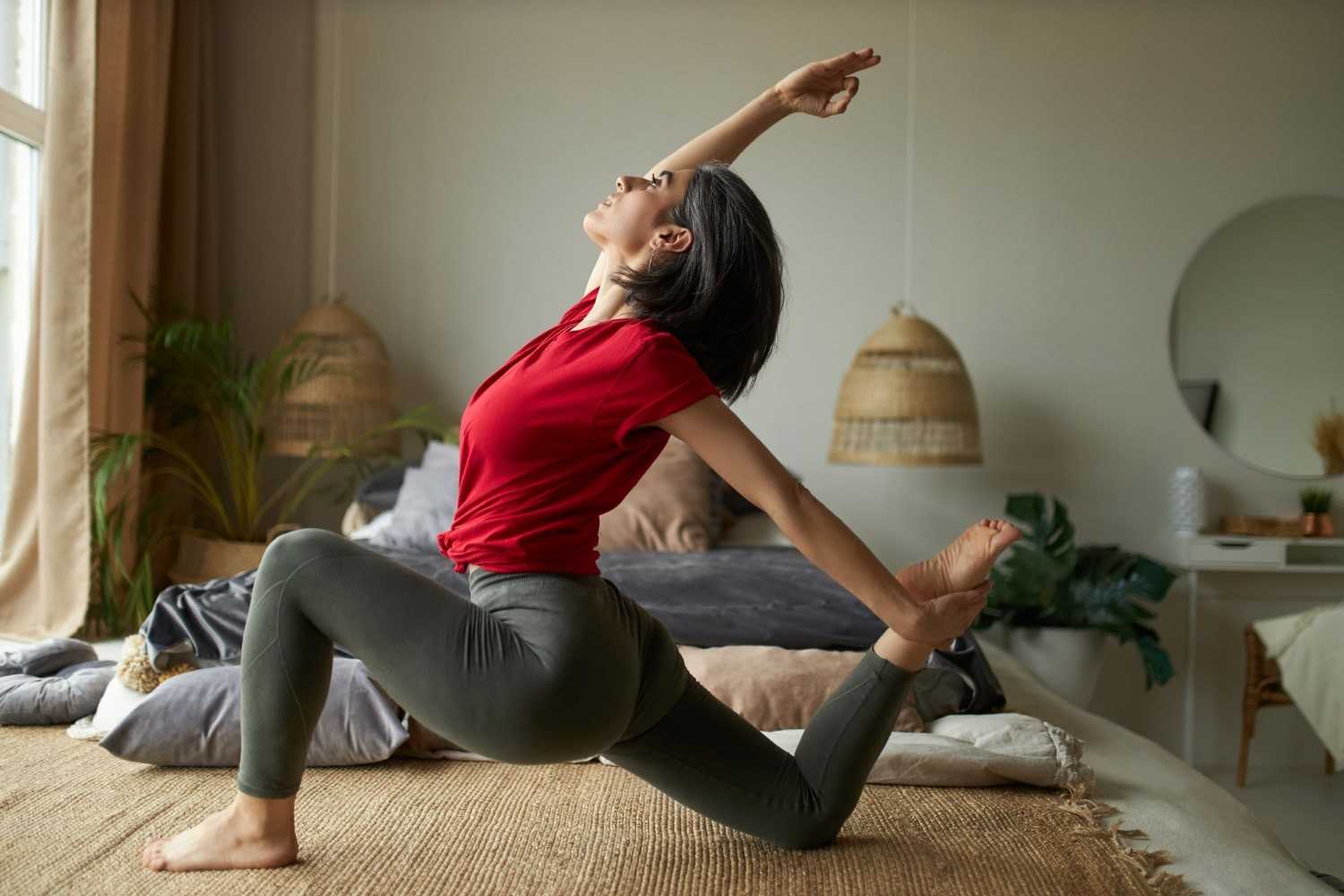
At its essence, this comparison boils down to a fundamental shift in intention. Regular yoga, in its many popular forms, typically guides you into specific postures (asanas). The focus is often on alignment, muscle strength, flexibility, and achieving the “ideal” shape of a pose. It’s a practice of doing. Somatic Yoga, however, flips the script.
Rooted in somatics, it’s a practice of undoing. Here, the primary goal isn’t the pose itself, but cultivating a profound mind-body connection. Through slow, mindful micromovements and focused internal attention, the practice aims for neurological repatterning—essentially teaching your nervous system to release chronic muscular tension (like tech neck or a tight lower back) that traditional stretching often can’t reach.
3. The Pace and Practice: Slow Unwinding vs. Dynamic Flow
Step into each class, and the difference in rhythm is immediately palpable. A regular yoga session might involve flowing sequences (vinyasa), holding poses to build stamina, and often includes a dynamic, sometimes vigorous, physical workout. It builds muscle memory for athletic movement. Somatic Yoga is the art of deceleration. You’ll engage in gentle movement, often lying on the floor, exploring tiny arcs and curls.
A key tool is pandiculation: a three-step process of consciously contracting, slowly releasing, and finally resting a muscle. This conscious action directly communicates with your brain to reset muscle length, offering a deeper release than passive stretching. It’s less about sweating and more about sensing.
4. Healing Chronic Pain: Nervous System Reset vs. Structural Support
For those seeking chronic pain relief, this distinction is crucial. Pain from injury or repetitive strain often lives in the brain’s sensory cortex—a case of “learned” muscular holding. Regular yoga can provide excellent structural support, strengthening the muscles around a joint, which is vital for stability. However, if the root cause is neurological (like sensory motor amnesia identified by pioneer Thomas Hanna), just stretching the muscle may offer only temporary relief.
Somatic Yoga directly targets this by calming the nervous system and releasing muscle tension at its source in the brain. It’s like finding the “off switch” for your involuntary tight shoulders, offering a potentially faster pathway to unravel long-held pain patterns.
5. Building Flexibility: Neurological Freedom vs. Muscular Stretching
Both practices can dramatically improve flexibility, but they operate through different mechanisms. In regular yoga, flexibility is often gained through repetitive muscular stretching—lengthening tissues by applying external force. Somatic Yoga cultivates flexibility from the inside out by enhancing body awareness.
Through conscious movement, you learn to voluntarily release the brain’s grip on your muscles. This process, called “unkinking the neurological hose,” allows for a more organic, safe, and permanent increase in range of motion. The flexibility isn’t forced; it’s discovered as your nervous system permits more movement, often leading to a more integrated and functional kind of suppleness.
6. Which is Right for Your Healing Journey?
So, in the debate of Somatic Yoga vs Regular Yoga, which heals faster? If your goal is to recover from specific sensory motor amnesia, release deep-seated chronic tension, or recalibrate a stressed nervous system, Somatic Yoga and its targeted somatic exercises may offer a faster, more direct route to holistic healing. It’s profound rehab for your body’s control center.
If your aim is to maintain general fitness, build strength and cardiovascular health, or work within a healthy range of motion, a mindful regular yoga practice is invaluable. For many, the fastest healing comes from a blended approach: using somatics to “reset” the system, allowing for a safer, more joyful exploration of traditional yoga. Listen to your body—it holds the wisest answer.